Building a global crypto remittance strategy
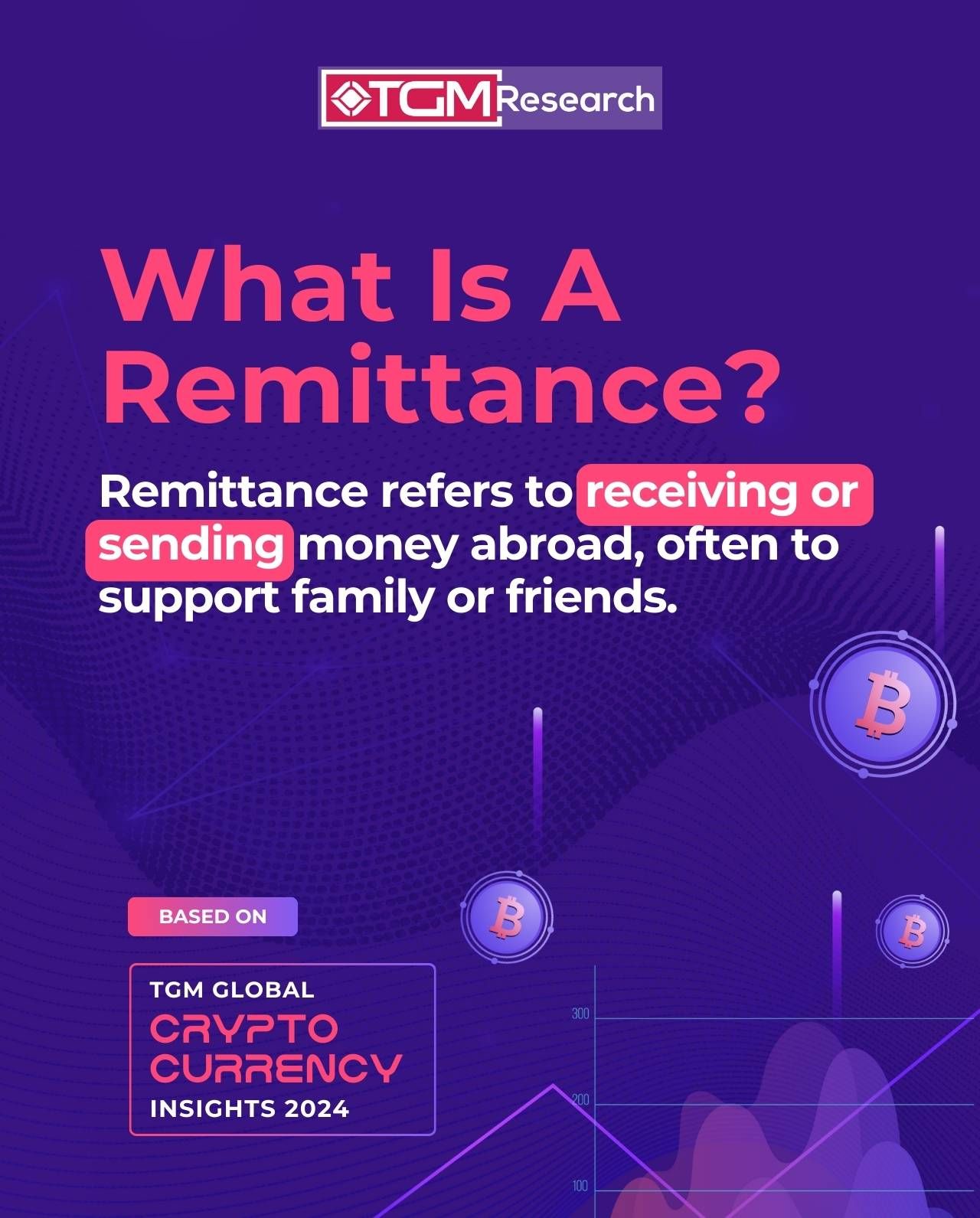
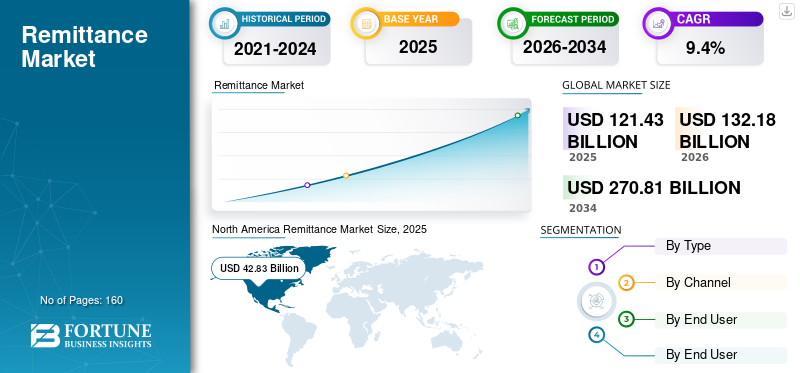
Global remittances represent a half-trillion-dollar market involving millions of consumers sending money from one nation back to family and friends. While cryptocurrencies offer speed and transparency, they are unlikely to provide a comprehensive solution to the high cost of remittances on their own. The primary barriers remain high financial transaction fees and the significant knowledge-based hurdles for recipients in developing economies.
A viable strategy requires treating crypto as a specific rail rather than a universal fix. You must map the flow from sender to receiver, identifying where fiat on-ramps and off-ramps create friction. This involves selecting stablecoins that maintain peg stability across different corridors and choosing wallets that support direct local currency withdrawals. The goal is to minimize the number of hops between the blockchain and the recipient’s bank account or mobile wallet.
The tradeoff is clear: crypto reduces settlement time from days to minutes but introduces volatility and compliance risks. Your strategy must account for regulatory reporting in both the source and destination countries. Without a clear path for converting digital assets into usable local currency, the speed advantage disappears. Effective remittance strategy prioritizes liquidity depth and regulatory clarity over raw transaction volume.
| Aspect | Crypto Rail | Traditional Wire |
|---|---|---|
| Speed | Minutes | 1-5 days |
| Cost | Variable (gas + fees) | Fixed % + flat fee |
| Accessibility | Requires digital literacy | Bank branches/agents |
| Volatility | High (unless stablecoin) | Low |
Global crypto remittance strategy choices that change the plan
Building a cross-border payment strategy requires balancing speed, cost, and regulatory safety. No single asset or network solves every friction point in the $900 billion remittance market. You must evaluate how each option handles volatility, settlement finality, and compliance burdens before deploying capital.
The following comparison breaks down the concrete tradeoffs between the most common stablecoin corridors and traditional infrastructure. Use this data to match your specific volume, destination, and risk tolerance.
| Method | Typical Cost | Settlement Time | Volatility Exposure | Compliance Burden |
|---|---|---|---|---|
| USDC/USDT on Solana | <$0.01 per tx | <1 second | Low (pegged) | Medium (travel rule) |
| USDC on Ethereum | $1–$10+ (gas) | 15–60 seconds | Low (pegged) | Medium (travel rule) |
| Bitcoin (Lightning) | <$0.01 per tx | Seconds | High (asset) | Low (p2p) |
| Bitcoin (On-chain) | $1–$20+ | 10–60 minutes | High (asset) | Low (p2p) |
| SWIFT Wire | $15–$50+ | 1–5 days | None (fiat) | High (KYC/AML) |
| Money Transfer Operators | 3–7% fee | Minutes–Days | None (fiat) | High (KYC/AML) |
The table above highlights a clear divergence: stablecoins on high-throughput chains like Solana offer near-instant settlement with negligible fees, but they still require navigating evolving "travel rule" regulations. Traditional SWIFT wires remain the safest for large, institutional transfers but are prohibitively expensive for small, frequent remittances.
Volatility remains the primary risk for non-stablecoin assets. While Bitcoin can reduce intermediary fees, its price fluctuation means the recipient may receive significantly less than intended if the transfer takes hours. Stablecoins mitigate this but introduce smart contract risk and regulatory uncertainty regarding their peg stability.
When selecting a strategy, prioritize the destination country’s infrastructure. If local exchanges support instant fiat on-ramps for USDC, a stablecoin strategy is likely superior. If the region lacks crypto-friendly banks, traditional operators may remain the only viable option despite higher costs.
Build a decision framework for cross-border efficiency
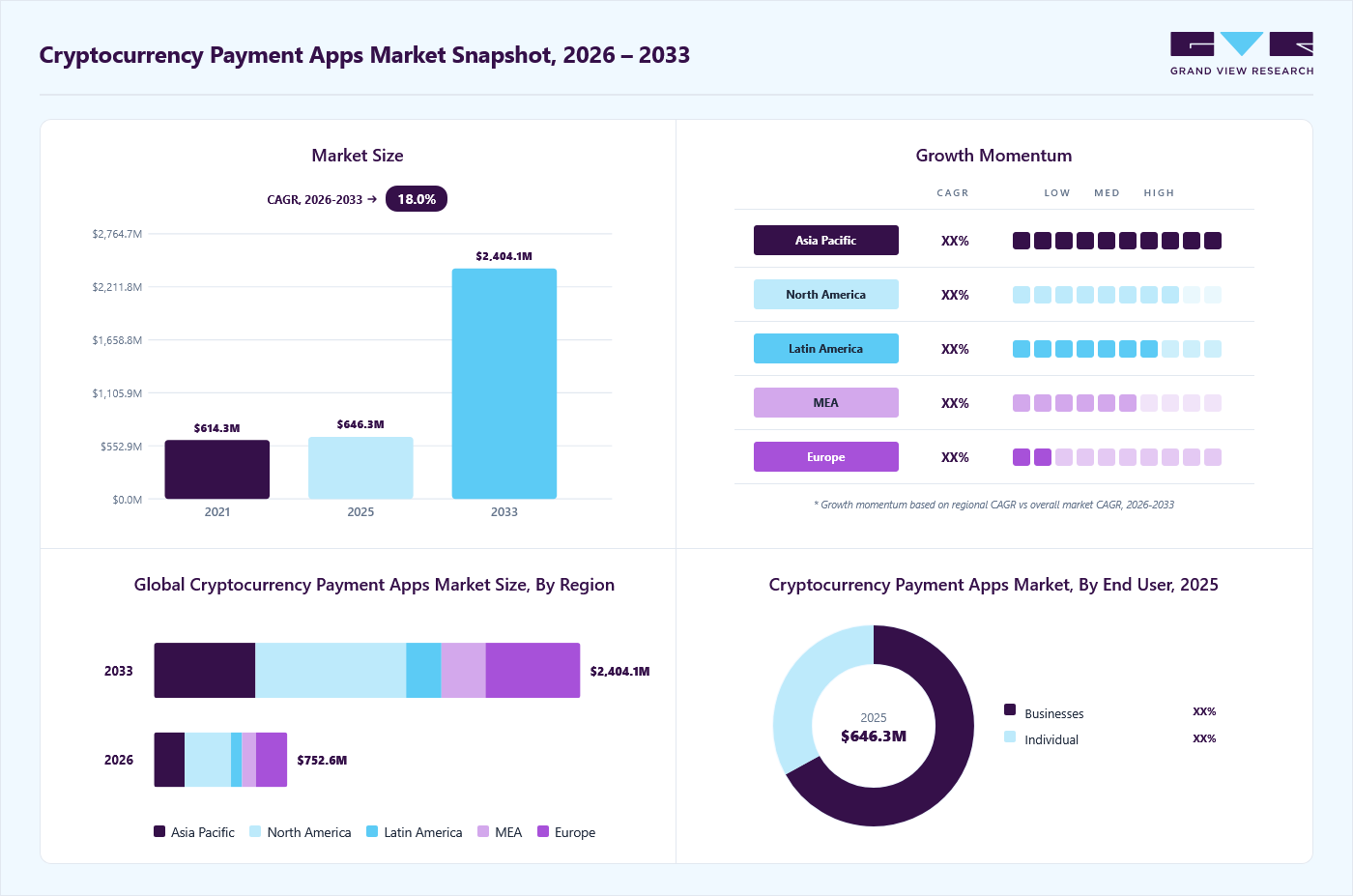
Turning market research into a practical strategy requires moving beyond general comparisons to specific operational checks. The global remittance market involves billions in volume, but the path to efficiency varies by corridor and volume. You need a structured way to evaluate whether crypto rails, traditional providers, or a hybrid model fit your specific use case.
This framework breaks the decision into four sequential steps. It focuses on concrete tradeoffs: speed versus cost, regulatory compliance versus accessibility, and liquidity versus volatility. By following this sequence, you can filter out options that don't meet your baseline requirements before committing to a provider or infrastructure layer.
Start by defining the exact origin and destination countries, along with your monthly transfer volume. Crypto remittance efficiency is highly corridor-dependent. Some routes have deep liquidity pools and low fees, while others face high spread costs or regulatory friction. High-volume corridors (over $10,000/month) often benefit from stablecoin rails to minimize volatility risk, whereas lower volumes might be better served by traditional services with lower onboarding barriers. Check local liquidity depth in both countries before proceeding.
Compare the total cost of funds, not just the advertised fee. Traditional providers often advertise low fees but hide costs in poor exchange rates. Crypto providers may have low network fees but high spread costs during volatile periods. Use a standardized amount (e.g., $100) to test the actual amount received by the beneficiary in both fiat and crypto. Include withdrawal fees, network gas fees, and any conversion spreads. The goal is to find the lowest total cost for the specific asset pair you intend to use.
Ensure your chosen provider and the specific corridor comply with local regulations. Georgetown Law research notes that cryptocurrencies face significant knowledge-based and financial hurdles in many jurisdictions. Check if the provider is registered with relevant financial authorities (like FinCEN in the US or FCA in the UK). For crypto-specific solutions, verify if the provider offers a local fiat on-ramp/off-ramp that is compliant with local anti-money laundering (AML) laws. Non-compliant providers pose a risk of frozen funds or legal scrutiny.
Assess how the solution handles market fluctuations. If using non-stablecoin cryptocurrencies, the value can change significantly between sending and receiving. For most remittance use cases, stablecoins (USDC, USDT) are preferred to preserve value. However, check the liquidity of your chosen stablecoin in the destination country. If local merchants or recipients cannot easily cash out USDT in your target region, the solution is impractical regardless of transfer speed. Test a small amount first to confirm the cash-out process works smoothly.
Before scaling, execute a pilot transaction using the minimum allowable amount. This tests the entire user journey: sending, network confirmation time, and the recipient's ability to receive and cash out. Document the total time from sending to receipt, the exact fees deducted, and any points of friction. Use this data to refine your strategy. If the pilot fails or is too costly, revert to the previous step and adjust your provider or corridor choice.


As an Amazon Associate, we may earn from qualifying purchases.
Avoid the weak options
Use this section to make the Global Crypto Remittance Strategy decision easier to compare in real life, not just on paper. Start with the reader's actual constraint, then separate must-have requirements from details that are merely nice to have. A practical choice should survive normal use, maintenance, timing, and budget. If a recommendation only works in an ideal situation, call that out plainly and give the reader a fallback path.
The simplest way to use this section is to write down the must-have criteria first, then compare each option against those criteria before weighing nice-to-have features.
Global crypto remittance strategy: what to check next
Before committing to a digital asset strategy, it is essential to address the practical friction points that traditional banking systems have solved over decades. Crypto remittances offer speed and lower fees, but they introduce new variables regarding regulatory compliance, market volatility, and user accessibility. The following questions clarify the trade-offs involved in moving value across borders using blockchain infrastructure.
No comments yet. Be the first to share your thoughts!