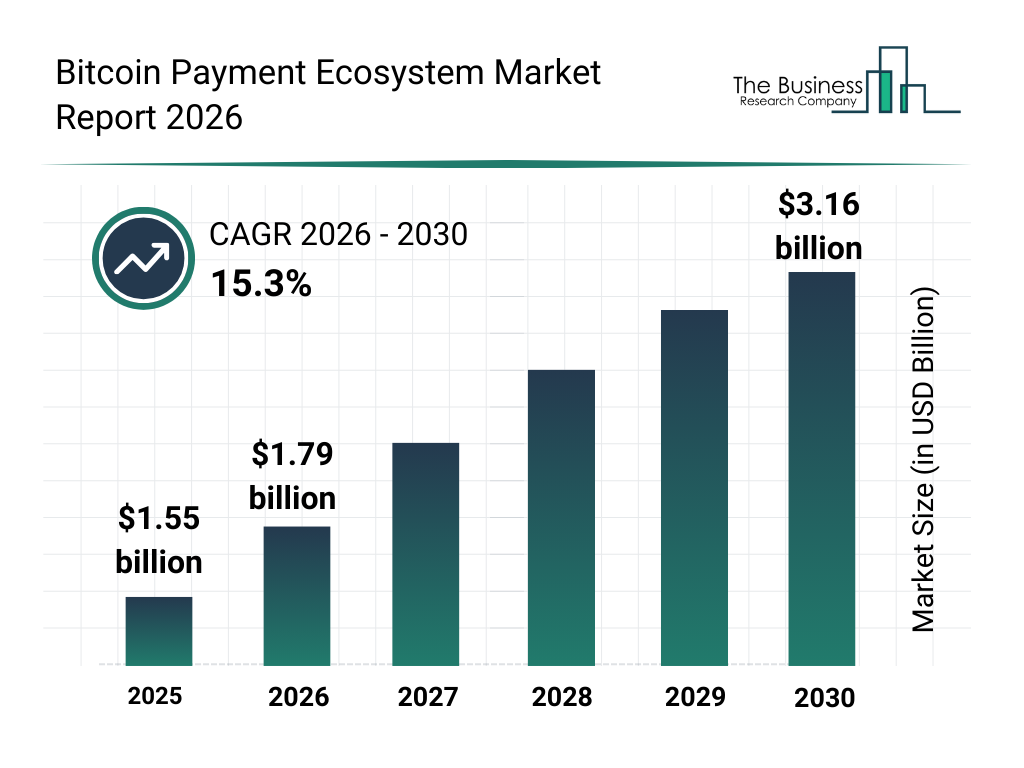
Global crypto remittance analysis
The global remittance market reached an estimated $905 billion in 2024, growing 4.6% from the previous year according to the Migration Policy Portal. This surge highlights the persistent demand for cross-border transfers, yet traditional channels often struggle with high fees and slow settlement times. Crypto remittances offer a structural alternative by leveraging blockchain infrastructure to bypass legacy banking networks.
However, the "best" cryptocurrency for remittance depends heavily on the specific corridor and asset volatility. Stablecoins like USDT and USDC dominate high-volume corridors due to their price stability, while networks like Solana and Stellar offer lower transaction costs for smaller transfers. The analysis must account for both on-chain efficiency and the liquidity available at the fiat on-ramp and off-ramp points.
For market participants, tracking real-time asset performance is essential. The following widget provides current data for Bitcoin, a benchmark asset often used as a bridge currency in cross-border flows.
Crypto remittance choices that change the plan
Choosing a crypto rail means balancing speed, cost, and regulatory friction. While the global remittance market reached USD 905 billion in 2024, crypto’s share remains niche but fast-growing, projected to hit USD 85.77 billion by 2030. The tradeoff is rarely just about the exchange rate; it is about the entire path from sender to receiver.
Liquidity and Slippage
Liquidity determines how much you can send without moving the market price against yourself. High-volume pairs like USDT/USDC on major exchanges offer tight spreads, but local on-ramps in emerging markets often have wider gaps. If you are sending small amounts, slippage can eat 1-2% of the transfer before it even leaves your wallet.
Network Fees and Finality
Gas fees fluctuate with network congestion. Ethereum mainnet can cost over $10 per transaction during peak times, making small remittances inefficient. Layer-2 solutions or alternative chains like Solana or Tron offer near-zero fees and finality in seconds. The tradeoff here is decentralization versus speed; you are choosing a specific chain’s security model for the sake of lower costs.
Regulatory Compliance
Not all jurisdictions treat crypto remittances equally. Some countries ban on-ramps entirely, while others require strict KYC/AML checks. A platform that works in the US might be blocked in Nigeria or India. Always verify that the receiving end supports local fiat withdrawal methods, as this is where most friction occurs.
| Factor | Speed | Cost | Risk |
|---|---|---|---|
| Stablecoins (USDT/USDC) | 1-10 mins | Low ($0.10-$1) | Medium (Regulatory) |
| Bitcoin (BTC) | 10-60 mins | Variable ($1-$10) | High (Volatility) |
| Ethereum (ETH) | 15-30 mins | High ($5-$20) | Medium (Gas Spikes) |
| Solana (SOL) | <1 sec | Negligible ($0.001) | Low (Centralization) |
Build a practical crypto remittance framework
Cross-border transfers involve more than picking a coin. You need a decision framework that balances speed, cost, and regulatory safety. The global remittance market grew to USD 905 billion in 2024, but traditional corridors still charge high fees. Crypto offers an alternative, yet it requires careful infrastructure planning to avoid hidden losses.
Start by mapping your specific corridor. Some networks are faster in Asia, while others dominate in Latin America. Next, select the stablecoin with the deepest liquidity in your target region. Finally, test the exit path to local fiat or mobile money. This three-step approach ensures you prioritize reliability over theoretical speed.
1. Map the corridor and recipient needs
Not all countries support the same exit mechanisms. In the Philippines, USDT on Tron connects easily to GCash. In Vietnam, USDC on Solana often settles faster to bank accounts. Identify where your recipients actually hold funds. If they use mobile wallets, choose a chain with low gas fees and high local integration. Avoid chains that require complex wallet setups unless your users are already advanced.
2. Select the right stablecoin and network
Volatility is the enemy of remittance. Stick to USD-pegged stablecoins like USDT or USDC. However, the network matters more than the token. Ethereum mainnet is too expensive for small transfers. Consider Layer 2 solutions or alternative L1s like Solana, Polygon, or Tron. Check the current liquidity depth for your specific pair. A coin with no local fiat on-ramp is useless to your recipient, regardless of its technical speed.
3. Validate the exit and compliance path
The hardest part is often the last mile. Verify that your recipient can convert the crypto to local currency without excessive friction. Use peer-to-peer (P2P) platforms or licensed local exchanges. Ensure your own operation complies with Money Services Business (MSB) regulations in both the sending and receiving countries. Regulatory scrutiny is high, so document your AML (Anti-Money Laundering) checks. A failed exit destroys trust faster than a slow transaction.
4. Test with micro-transactions first
Never send a large volume on day one. Run a series of small test transactions to measure actual settlement times and fees. Include the time it takes for the recipient to cash out. Compare this against traditional providers like Western Union or Wise. If the crypto route is not significantly cheaper or faster, reconsider the infrastructure. Document every variable, including network congestion during peak hours.
5. Monitor real-time market conditions
Crypto prices and network fees fluctuate. A stablecoin might depeg briefly, or gas fees might spike. Use live market data to time your transfers. Avoid sending during major market volatility or network upgrades. Integrate real-time tracking into your workflow to catch failed transactions immediately. This proactive monitoring prevents losses that are difficult to recover from.
Spotting Misleading Claims in Crypto Remittance
The global remittance market grew to USD 905 billion in 2024, yet many crypto providers still market "disruption" without addressing the reality of infrastructure gaps [src-serp-1]. When analyzing cross-border flows, you must distinguish between theoretical efficiency and practical execution. Several common claims in this space either ignore regulatory friction or hide the true cost of liquidity.
The "Zero Fees" Myth
Many platforms advertise zero transaction fees to attract users, but they often recoup costs through unfavorable exchange rates or hidden network gas fees. In high-stakes remittance corridors, a 1% spread on the exchange rate is significantly more expensive than a flat $5 fee. Always compare the final delivered amount against traditional providers like Western Union or Wise. If the crypto option does not beat the traditional provider in total cost, the "zero fee" claim is misleading.
Liquidity and Settlement Risks
Another frequent mistake is assuming all cryptocurrencies are equally viable for remittance. While stablecoins like USDT or USDC offer price stability, their liquidity varies by region. In countries with strict capital controls, converting crypto back to local fiat can trigger delays or account freezes. A claim that "instant settlement" is guaranteed is often false during periods of low liquidity or network congestion. Always verify the local fiat on-ramp reliability before committing funds.
Regulatory Blind Spots
Some providers operate in regulatory gray areas, claiming that blockchain transactions are "permissionless" and therefore exempt from oversight. This is a dangerous assumption for users sending large sums. Many jurisdictions now require KYC/AML compliance for crypto-to-fiat conversions. If a platform does not clearly state its licensing status, it poses a compliance risk that could result in frozen assets. Prioritize providers with transparent regulatory filings in both the sending and receiving countries.
Global crypto remittance analysis: what to check next
Choosing the right remittance path requires balancing speed, cost, and regulatory safety. This section addresses the most common practical questions regarding cross-border crypto flows and traditional remittance markets.
No comments yet. Be the first to share your thoughts!