The new rails for cross-border payments
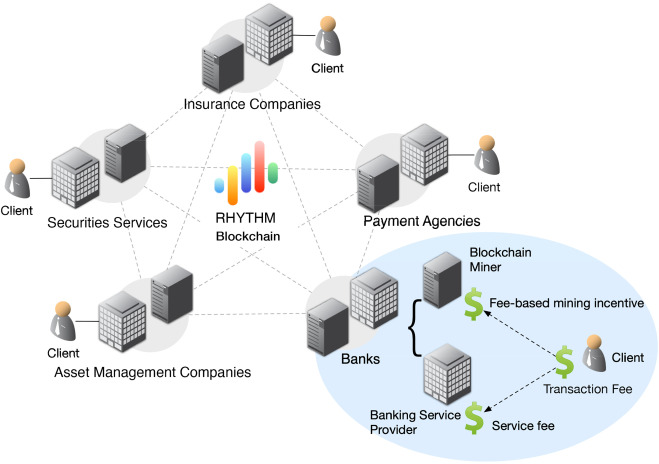
The architecture of global money movement is undergoing a structural shift. For decades, cross-border payments relied on a fragmented chain of correspondent banks, foreign exchange engines, and money transfer operators. This legacy model, while functional, introduced significant friction: high fees, slow settlement times, and limited transparency. Today, the infrastructure is evolving to combine these traditional financial rails with blockchain-native protocols that offer speed and lower costs.
This transition is not about replacing banks entirely but rather integrating crypto infrastructure into the existing payment ecosystem. Stablecoins like USDT and USDC have emerged as the primary vehicles for this new rail, providing a digital dollar equivalent that settles on-chain in minutes rather than days. The result is a hybrid system where traditional liquidity meets blockchain efficiency.
The adoption of these new rails is driven by the need for real-time settlement. In the traditional model, a single transaction might pass through multiple intermediaries, each taking a cut and adding delay. Blockchain-native infrastructure removes many of these middlemen, allowing for direct peer-to-peer value transfer. This shift is particularly impactful for high-volume corridors and emerging markets where traditional banking access is limited or expensive.
As institutions and fintechs build on these protocols, the distinction between "crypto" and "traditional finance" continues to blur. The focus is shifting from speculative assets to utility-driven infrastructure that prioritizes reliability, compliance, and cost-efficiency. This new layer of financial infrastructure is becoming the backbone for a more inclusive and efficient global economy.
Key infrastructure providers and protocols
Global crypto remittance infrastructure combines traditional financial rails—banks, money transfer operators (MTOs), and FX engines—with a new wave of blockchain-native protocols. These protocols are no longer experimental; they are production-grade systems handling billions in cross-border value. The market has shifted from proof-of-concept pilots to institutional adoption, driven by the need for speed, lower costs, and programmable compliance.
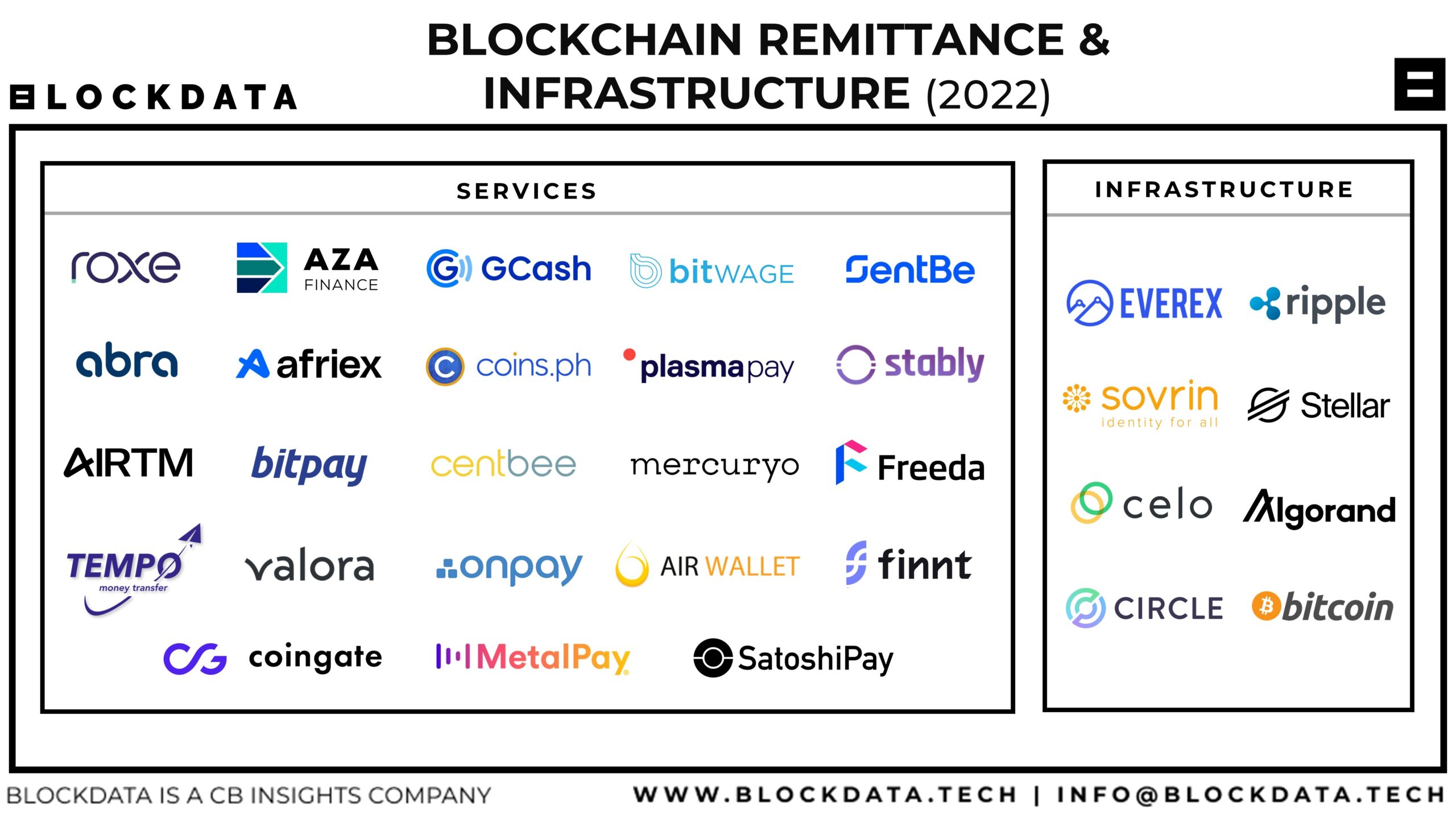
Polygon: The Stablecoin Backbone
Polygon has emerged as a primary settlement layer for stablecoin remittances due to its low transaction fees and high throughput. For businesses moving funds from high-cost corridors (like the US to Latin America) to cost-sensitive regions, Polygon offers a scalable infrastructure that supports USDC and other major stablecoins. Its network allows for near-instant finality, making it a preferred choice for fintechs building B2C remittance products where user experience and cost efficiency are paramount.
Ripple: Institutional Settlement
Ripple’s network targets the traditional banking and financial services sector. Unlike consumer-focused chains, Ripple’s infrastructure is designed to connect banks, fintechs, and large enterprises, providing a streamlined solution for cross-border payments. By leveraging its proprietary technology, Ripple facilitates real-time gross settlement, reducing the need for pre-funded nostro accounts and freeing up capital for financial institutions. This makes it a critical component for B2B remittance flows where regulatory compliance and institutional trust are non-negotiable.
Crossmint: API-First Accessibility
For developers and startups, Crossmint provides an API-first approach to stablecoin remittances. Instead of building complex blockchain integrations from scratch, businesses can use Crossmint’s infrastructure to launch compliant, instant, and programmable remittance flows in days. This lowers the barrier to entry for non-crypto-native companies looking to offer global payment options. Crossmint handles the underlying blockchain interactions, custody, and regulatory frameworks, allowing companies to focus on their core product and customer acquisition.
| Provider | Primary Focus | Settlement Speed | Target Audience |
|---|---|---|---|
| Polygon | Stablecoin Settlement | Near-instant | Fintechs & B2C |
| Ripple | Banking Integration | Real-time | Banks & B2B |
| Crossmint | API Infrastructure | Instant | Developers & Startups |
These three pillars—settlement layer, institutional network, and API infrastructure—form the core of the modern crypto remittance stack. Understanding how these components interact is essential for navigating the 2026 market landscape.
Cost dynamics and market efficiency
Global Crypto Remittance Infrastructure works best as a clear sequence: define the constraint, compare the realistic options, test the tradeoff, and choose the path with the fewest hidden costs. That order keeps the advice usable instead of decorative. After each step, pause long enough to check whether the recommendation still fits the reader's actual situation. If it depends on perfect timing, unusual access, or a best-case budget, include a simpler fallback.
The simplest way to use this section is to write down the real constraint first, compare each option against it, and choose the path that still works outside ideal conditions.
Strategic tools for implementation
Global Crypto Remittance Infrastructure works best as a clear sequence: define the constraint, compare the realistic options, test the tradeoff, and choose the path with the fewest hidden costs. That order keeps the advice usable instead of decorative. After each step, pause long enough to check whether the recommendation still fits the reader's actual situation. If it depends on perfect timing, unusual access, or a best-case budget, include a simpler fallback.
Frequently asked questions about remittance rails
Helpful gear
Use these product recommendations as a starting point, then choose the size, material, and price point that fit how you actually use the gear.


As an Amazon Associate, we may earn from qualifying purchases.
No comments yet. Be the first to share your thoughts!