Global crypto remittance infrastructure
The global remittance infrastructure has shifted from a purely correspondent-bank model to a hybrid system. Traditional financial rails—banks, money transfer operators (MTOs), and FX engines—still handle the majority of volume, but they are increasingly supported by blockchain-native protocols that offer faster settlement and lower friction.
Crypto remittance uses this hybrid infrastructure to move value across borders. Instead of relying solely on intermediaries, transactions settle on-chain, often using stablecoins that can be converted instantly into fiat. This approach bypasses the legacy correspondent banking network, reducing the time and cost associated with international transfers.
Despite these advancements, the infrastructure is not yet seamless. Integrating on-chain settlement with off-ramp liquidity remains a complex operational challenge. Providers must navigate varying regulatory requirements in both the sending and receiving jurisdictions to ensure funds arrive reliably and compliantly.
Global crypto remittance infrastructure choices that change the plan
Building a cross-border payment system requires choosing between speed, cost, and regulatory compliance. Traditional rails like SWIFT rely on correspondent banking networks, while crypto infrastructure uses blockchain protocols to settle value directly. Each approach carries distinct tradeoffs that impact transaction fees, settlement times, and operational risk.
Stablecoins offer near-instant settlement and lower fees compared to traditional money transfer operators (MTOs). However, they introduce counterparty risk related to the reserve assets backing the token. Network congestion can also spike transaction costs during peak periods, particularly on Ethereum-based chains.
Layer-2 solutions and alternative L1s provide scalability but may sacrifice decentralization or liquidity depth. Understanding these infrastructure nuances is essential for selecting the right rail for specific corridors and volumes.
| Rail | Settlement | Cost | Primary Risk |
|---|---|---|---|
| SWIFT / Banks | 1-5 Days | High | Counterparty / FX Spread |
| Stablecoins (L1) | Minutes | Medium | Network Congestion / Smart Contract |
| Stablecoins (L2) | Seconds | Low | Liquidity / Bridge Security |
| Crypto-Adapted Banks | Hours | Medium | Regulatory / Compliance |
When evaluating infrastructure, prioritize final settlement time over initial broadcast speed. A transaction that broadcasts instantly but faces hours of confirmation delays is less reliable for time-sensitive remittances. Additionally, consider the exit liquidity available in the recipient country; high fees to convert crypto to local fiat can negate on-chain savings.
How to choose a crypto remittance path
Cross-border transfers have shifted from pure banking dependency to a hybrid model. Today’s infrastructure combines traditional financial rails—banks, money transfer operators (MTOs), and FX engines—with a new wave of blockchain-native protocols. For senders and receivers, the goal is no longer just "using crypto" but selecting the right layer for speed, cost, and compliance.
Choosing the right path requires evaluating three factors: destination liquidity, regulatory friction, and settlement speed. Below is a practical framework to navigate these choices.
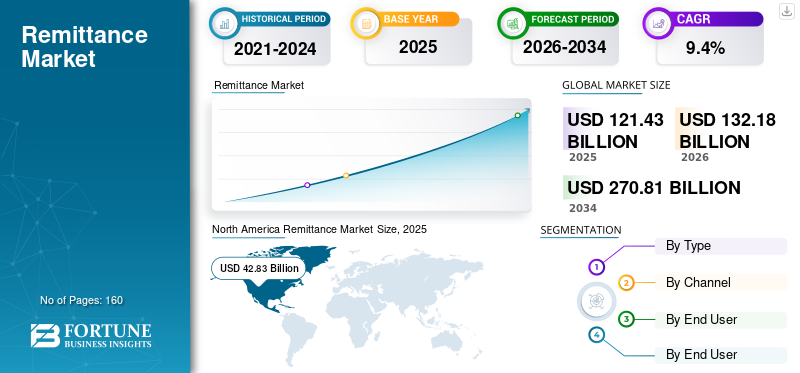
Not all corridors are equal. Stablecoins like USDC or USDT dominate in regions with high mobile penetration but limited banking access. In contrast, corridors with mature banking systems may still favor traditional rails for large-value transactions due to regulatory clarity. Check local exchange liquidity before committing to a specific token.
Compliance varies significantly by jurisdiction. Some countries treat crypto remittances as legal tender, while others restrict on-ramps and off-ramps. If your recipients are in regulated markets, prioritize platforms that offer built-in compliance (KYC/AML) to avoid frozen funds or account closures. Unregulated routes offer speed but carry higher counterparty risk.

Blockchain networks offer a wide range of options. Layer-1 chains like Bitcoin or Ethereum mainnets can be slow and expensive during peak times. Layer-2 solutions (e.g., Arbitrum, Optimism) or alternative chains (e.g., Stellar, Solana) often provide near-instant settlement for fractions of a cent. Calculate the total cost including conversion fees, not just network gas.
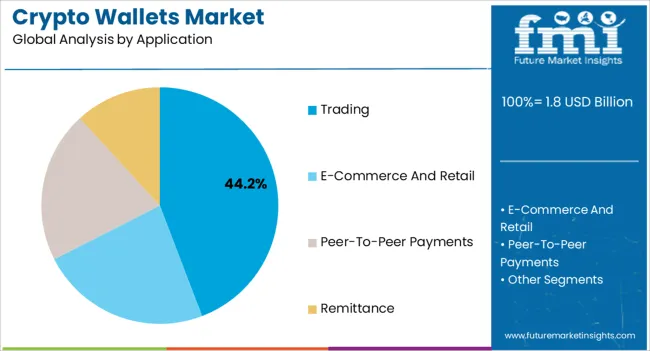
Before sending, confirm how your recipient will access funds. Do they need a crypto wallet, or can they receive directly to a bank account via a hybrid service? The latter reduces friction for non-technical users but may reintroduce some traditional banking delays and fees.

Never send a large initial transfer. A small test transaction verifies that the recipient’s address is correct, the network is functioning, and the off-ramp process works as expected. This step is critical for avoiding irreversible losses on blockchain networks.
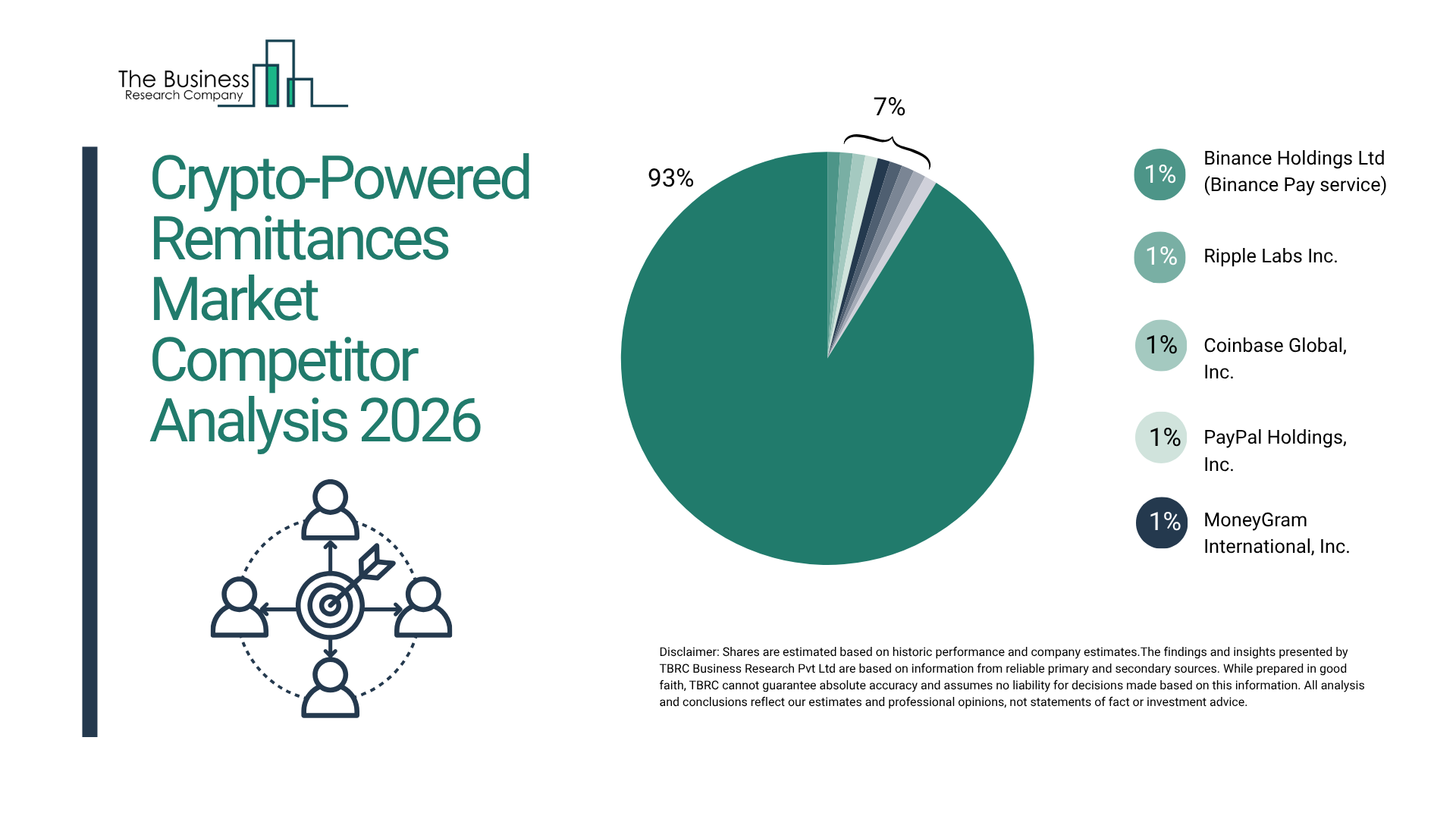
Keep records of all transactions, including hash IDs, timestamps, and exchange rates at the time of transfer. Many jurisdictions require reporting of crypto transactions for tax purposes. Proper documentation protects you during audits and simplifies dispute resolution if issues arise.


As an Amazon Associate, we may earn from qualifying purchases.
Watchouts for Crypto Remittance Claims
Many providers market "instant settlement" and "near-zero fees" as standard features, but the reality involves hidden friction. While blockchain rails move value quickly, converting crypto to local fiat often requires multiple hops through liquidity providers or local exchanges. These conversion steps introduce spread costs and delays that erase the theoretical efficiency of on-chain transfers.
Be wary of platforms that obscure the total cost of delivery. A low on-chain gas fee does not account for the spread charged during the off-ramp process. Always calculate the total cost by comparing the exact fiat amount received by the beneficiary against the amount sent. If a provider promises speeds under ten minutes but relies on traditional correspondent banks for the final leg, the claim is likely misleading.
Another common mistake is ignoring regulatory compliance for large transfers. While stablecoins offer speed, they do not automatically bypass anti-money laundering (AML) checks. Many platforms freeze funds or require extensive documentation for cross-border transactions exceeding certain thresholds. Verify that the platform has clear compliance protocols before committing significant capital, as frozen assets can tie up remittances for days or weeks.
Global crypto remittance infrastructure: what to check next
Before adopting blockchain rails, it helps to separate marketing from operational reality. The following answers address the most common practical objections regarding infrastructure, costs, and market players.
No comments yet. Be the first to share your thoughts!