How crypto remittances work
Sending money across borders using crypto is fundamentally different from the traditional banking system. Instead of relying on a chain of correspondent banks, crypto remittances use blockchain networks to move value directly between sender and recipient. This structural difference is why stablecoins can offer faster settlement times and lower fees compared to conventional wires.
The process begins when you convert your local currency into a stablecoin, such as USDC or USDT, through a cryptocurrency exchange. These exchanges act as the entry point, allowing you to purchase digital assets that are pegged 1:1 to a fiat currency like the US dollar. Once you hold the stablecoin in your digital wallet, you can send it to anyone, anywhere, provided they have a compatible wallet address.
This direct transfer bypasses the legacy SWIFT network, which routes payments through multiple intermediary banks. Each intermediary in the traditional system adds a layer of fees and processing time, often taking several days to clear. In contrast, blockchain transactions are validated by a decentralized network of nodes. Depending on the specific blockchain used, these transactions can confirm in minutes or even seconds, regardless of the distance between the sender and the recipient.
To understand the stability of the asset you are sending, it helps to look at how stablecoins maintain their value. The chart below shows the USDC/USD pair, demonstrating how tightly pegged these assets remain to the dollar, ensuring that the value you send is the value the receiver gets.
While the mechanism is simpler, it requires you to manage your own keys and understand the network fees associated with the chosen blockchain. However, for many users, the trade-off of self-custody for speed and cost efficiency is worth it, especially for regular cross-border transfers.
Crypto vs. Traditional Wires: Cost and Speed Comparison
When moving money across borders, time and fees are the two metrics that matter most. Traditional banking rails often treat these as secondary concerns, prioritizing security and regulatory compliance over speed. Stablecoins, by contrast, operate on networks that prioritize settlement speed, though fees fluctuate with network congestion. Understanding this trade-off helps you choose the right rail for the job.
The Cost of Moving Money
Traditional wire transfers, particularly through services like Western Union or Wise, involve multiple layers of fees: a fixed transfer fee, a markup on the exchange rate, and sometimes intermediary bank charges. For smaller amounts, these fixed fees can eat up a significant percentage of the transfer. Wise is generally more transparent and cheaper for major currency pairs, but costs rise sharply for exotic currencies or smaller remittances.
Crypto remittance fees are primarily driven by network gas fees and the exchange spread. Sending USDC or USDT on efficient networks like Solana or Layer 2 Ethereum solutions can cost pennies. Even on Ethereum mainnet, fees have dropped significantly since the Merge, though they can spike during high traffic. The exchange rate spread is the hidden cost; if you convert fiat to crypto at a high spread, you lose money before the transfer even begins. Using a stablecoin directly from a fiat on-ramp minimizes this spread.
Settlement Time: Minutes vs. Days
The most dramatic difference lies in settlement time. A traditional SWIFT wire can take 1-5 business days to settle, especially if it involves currency conversion or intermediary banks. Wise is faster, often settling in hours for major pairs, but still relies on banking hours and weekends.
Crypto transactions settle in minutes, regardless of weekends or holidays. A USDT transfer on Tron or a USDC transfer on Solana typically confirms in under a minute. This 24/7 availability is a game-changer for urgent payments or businesses needing to reconcile accounts in real-time.
Side-by-Side Comparison
The table below summarizes the key differences. Note that crypto fees are variable and depend on the specific blockchain network used.
When to Use Which
For large, infrequent transfers where security and regulatory compliance are paramount, traditional wires offer a familiar, insured pathway. For frequent, smaller remittances or urgent business payments, crypto rails provide unmatched speed and lower costs. The key is to match the tool to the need.
Best stablecoins for transfers
Choosing the right stablecoin is less about picking the biggest market cap and more about matching the asset to the specific corridor and regulatory environment. While USDT (Tether) and USDC (USD Coin) dominate global volume, DAI offers a decentralized alternative that appeals to users prioritizing non-custodial control over institutional backing.
For most high-volume remittance corridors, USDC is the pragmatic choice. Its strong regulatory alignment, particularly with US-based issuers like Circle, reduces friction for businesses operating in compliant jurisdictions. USDC tends to have deeper liquidity on major exchanges and lower slippage for larger transfers. In contrast, USDT remains the king of retail volume in emerging markets, particularly in Asia and Latin America, where it is often the primary on-ramp for local fiat currencies. However, USDT’s history of opaque reserves means it carries higher regulatory risk in strict jurisdictions.
DAI serves a niche but vital role for users who cannot rely on centralized issuers. As a collateralized debt position generated by the MakerDAO protocol, DAI is decentralized by design. This makes it ideal for corridors where local banking infrastructure is unstable or where users distrust centralized entities. The trade-off is complexity: minting and redeeming DAI often requires interacting directly with DeFi protocols, which can introduce gas fee volatility on networks like Ethereum.
Discover faster, cheaper global transfers with Swiss-regulated compliance.— Xero International Payments Guide
Network costs and peg stability
The "best" stablecoin also depends on the blockchain network you use. Sending USDC on Solana or Polygon costs fractions of a cent and settles in seconds, while the same transfer on Ethereum mainnet can cost several dollars during peak times. For remittance, speed and low fees are non-negotiable, so always pair your stablecoin choice with a low-cost L2 or alternative L1.
Live market data
Monitoring peg stability is essential for remittance. Even minor de-pegging events can signal liquidity issues or regulatory panic. Use the widgets below to track the real-time performance of the two most widely used stablecoins in cross-border payments.
Regulatory and tax considerations
The speed of stablecoin transfers doesn't bypass government oversight. If you live in the US, the IRS treats cryptocurrency as property, not foreign currency. This classification means every cross-border stablecoin transfer is a taxable event if the value changes between acquisition and transfer. You must track the cost basis of the specific coins you send, just as you would for a stock trade.
Compliance isn't optional for large transfers. Financial institutions are required to file Currency Transaction Reports (CTRs) for cash transactions over $10,000, and similar scrutiny applies to digital assets through the Bank Secrecy Act. Even if you send money directly from a personal wallet, exchanges and custodians will likely report your activity. Ignoring these rules can lead to severe penalties, including fines or criminal charges for willful failure to report.
Beyond taxes, you must adhere to Anti-Money Laundering (AML) and Know Your Customer (KYC) laws. Most reputable stablecoin issuers and exchanges are licensed money transmitters. They monitor for suspicious patterns, such as structuring deposits to avoid reporting thresholds. While this adds a layer of verification, it also provides a legal framework that protects legitimate users from being associated with illicit funds.
When choosing a stablecoin for remittance, prioritize those with clear regulatory standing. USDC, issued by Circle, undergoes regular audits and maintains reserves in short-term US Treasuries, aligning it closer to traditional banking regulations than decentralized alternatives. This regulatory clarity reduces the risk of sudden delistings or frozen assets, which is a critical consideration for high-stakes international payments.
Choosing the right platform
Selecting a remittance platform requires matching the tool to the specific tradeoff you are willing to make. Traditional wires offer regulatory familiarity but often lag in speed and cost, while crypto platforms provide instant settlement and lower fees but demand a higher degree of user responsibility.

If time is your primary constraint, stablecoins settle in minutes compared to the multi-day delays of traditional banking systems. Platforms like Stripe or regional exchanges allow you to convert local currency into stablecoins and send them directly to a recipient’s wallet, bypassing intermediary banks entirely [src-serp-3].
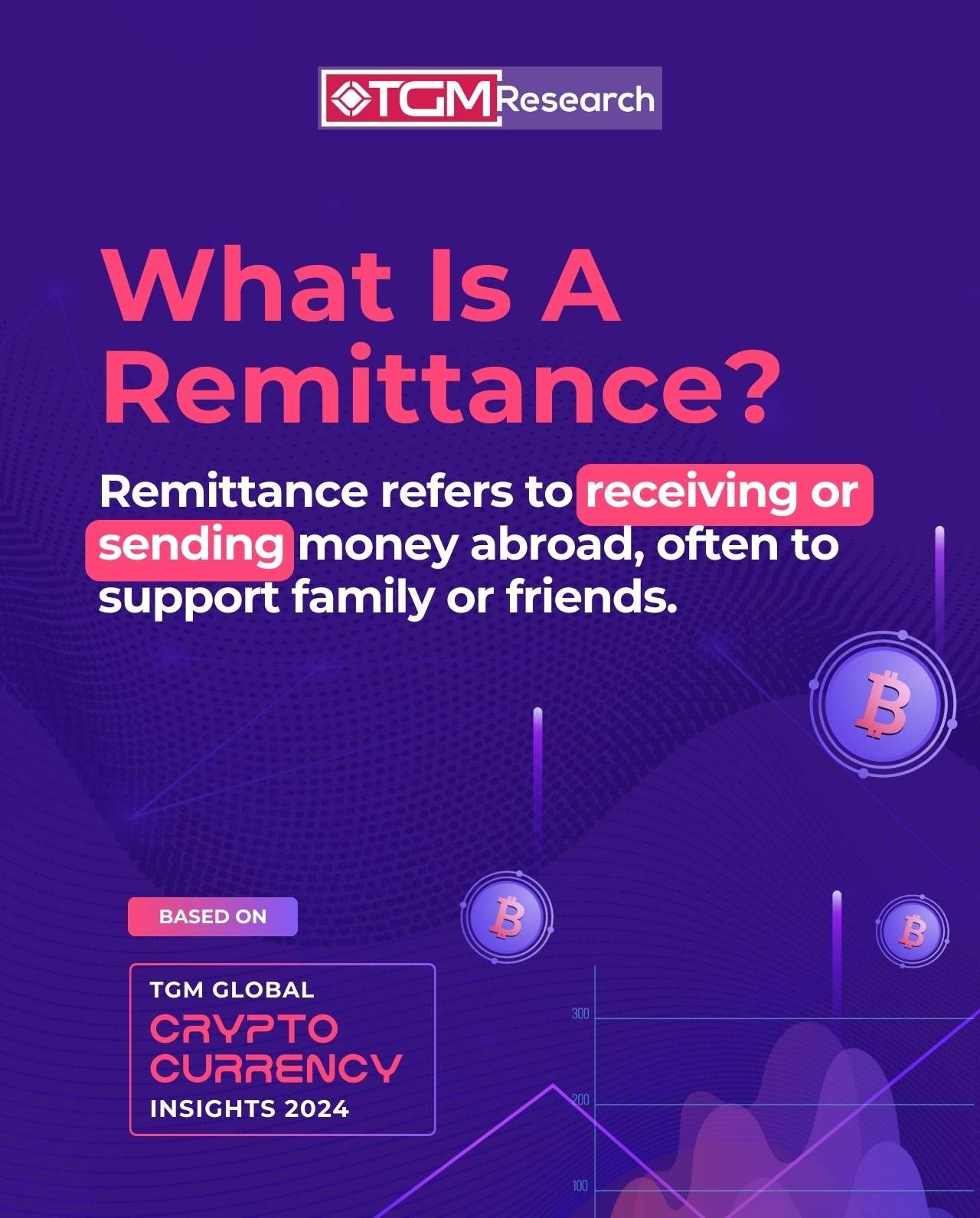
For larger or frequent transfers, fee structures are the deciding factor. Crypto remittances generally charge a flat network fee or a small percentage, which is significantly lower than the fixed fees and exchange rate markups of traditional wires. Always compare the total landed cost, including any conversion spreads, before initiating the transfer [src-serp-1].
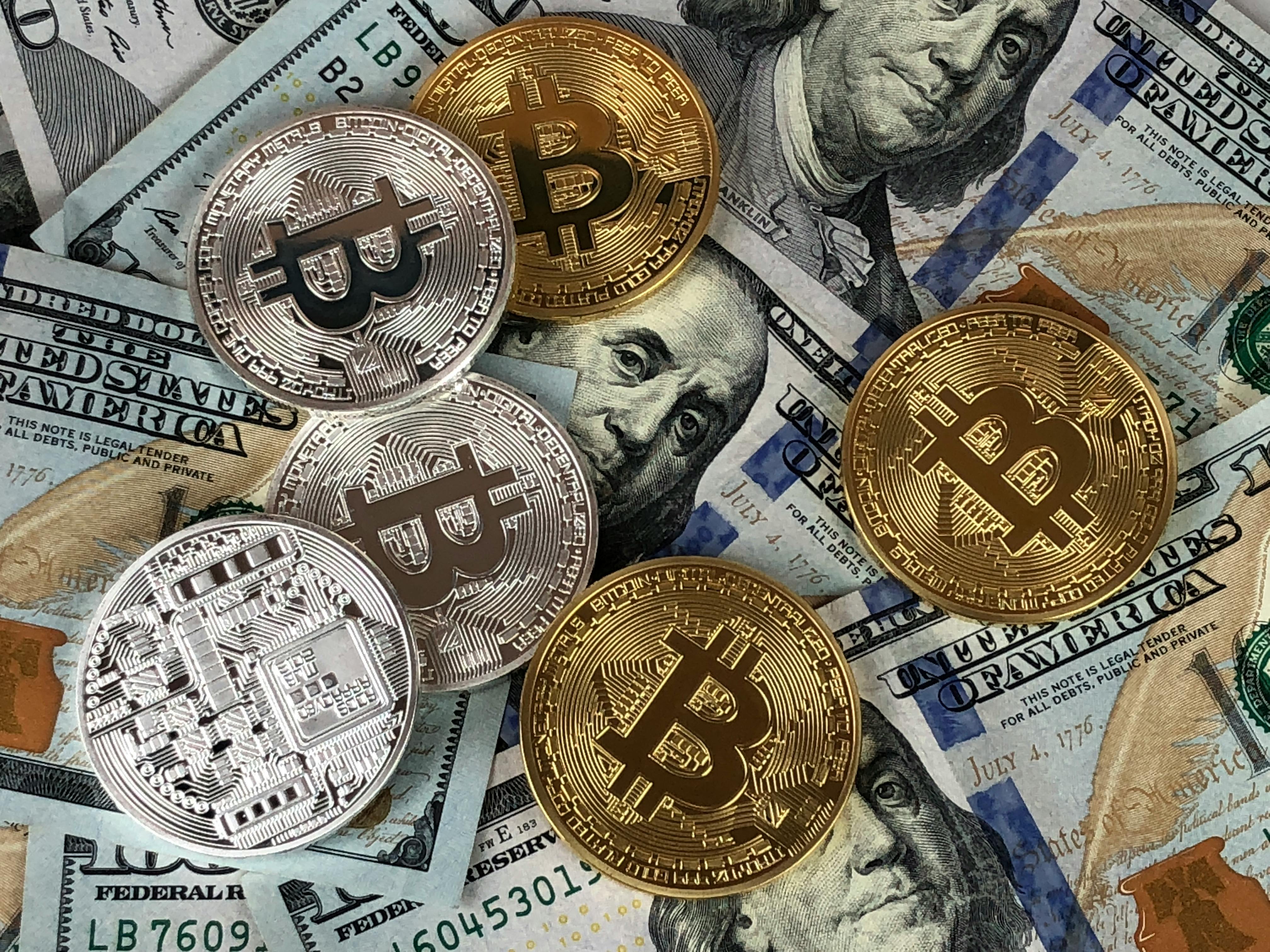
Stability and legality matter. Ensure the platform operates within your jurisdiction’s regulatory framework. Reputable exchanges adhere to strict KYC (Know Your Customer) and AML (Anti-Money Laundering) protocols, offering a layer of protection that informal peer-to-peer channels lack. This compliance often comes with the benefit of customer support and dispute resolution mechanisms.
To visualize the current market conditions, you can monitor the stability of the asset you intend to send.
Use this checklist before finalizing your transfer:
- Verify the recipient’s wallet address on a separate channel.
- Check the current network gas fees for the chosen blockchain.
- Confirm the platform’s regulatory status in your country of residence.
Common questions about crypto remittances
Understanding the rules and mechanics of cross-border crypto transfers helps you avoid costly mistakes and regulatory pitfalls. Below are the most frequent questions we encounter from senders navigating this space.
Helpful gear
Use these product recommendations as a starting point, then choose the size, material, and price point that fit how you actually use the gear.



As an Amazon Associate, we may earn from qualifying purchases.
No comments yet. Be the first to share your thoughts!