
Get global crypto remittance infrastructure right
Before moving funds, you must ensure your technical and compliance foundations support the specific corridors you intend to serve. Global remittance infrastructure combines traditional financial rails—banks, money transfer operators, and FX engines—with blockchain-native protocols. Skipping this alignment creates friction that erodes margins and delays settlements.
Start by verifying regulatory compliance in both the sending and receiving jurisdictions. Crypto infrastructure refers to the foundational blockchain technologies supporting digital assets, but these tools do not exempt you from local licensing requirements. If your target market requires specific AML/KYC checks, ensure your protocol supports the necessary data points without breaking user privacy.
Next, map the liquidity path. Identify which stablecoins or assets have sufficient depth in the destination country to prevent slippage. A solution allowing cross-border payments to be immediate, cheap, and universal remains the holy grail of the industry, but practical efficiency depends on your choice of settlement layer. Choose a network that balances finality speed with transaction cost for your specific volume.
Finally, test the exit ramp. Many projects fail because they can move crypto across borders but cannot easily convert it to local currency for the recipient. Confirm your partnership with local payout providers or liquidity aggregators before launch. This end-to-end verification prevents stranded funds and ensures the remittance actually reaches the beneficiary.
Build your cross-border payment flow
Setting up a crypto remittance infrastructure requires mapping the journey from sender to receiver. The goal is to reduce friction, lower fees, and ensure compliance. Traditional rails like banks and MTOs are being layered with blockchain-native protocols to create faster, cheaper alternatives. This section walks you through the practical steps to design, test, and launch a cross-border payment system.
Step 1: Define the corridor and currency pair
Start by identifying the specific geographic route and currency conversion needed. Not all corridors have equal liquidity or regulatory clarity. For example, sending USDC from the US to the Philippines often has different fee structures and settlement times compared to sending EUR to Nigeria. Choose a corridor with high volume and established on-ramps/off-ramps to minimize slippage and operational risk.
Focus on routes with established liquidity pools. High volume ensures better exchange rates and faster settlement. Avoid niche corridors with thin order books until you have proven demand.

Select stablecoins that are widely accepted in both the origin and destination countries. USDC and USDT are the most common, but regional preferences may vary. Ensure your liquidity providers support these assets for both fiat on-ramps and off-ramps.

Identify the KYC/AML requirements for both jurisdictions. Some corridors require real-time identity verification, while others allow for lower-risk thresholds. Build compliance checks into your user flow early to avoid friction later.
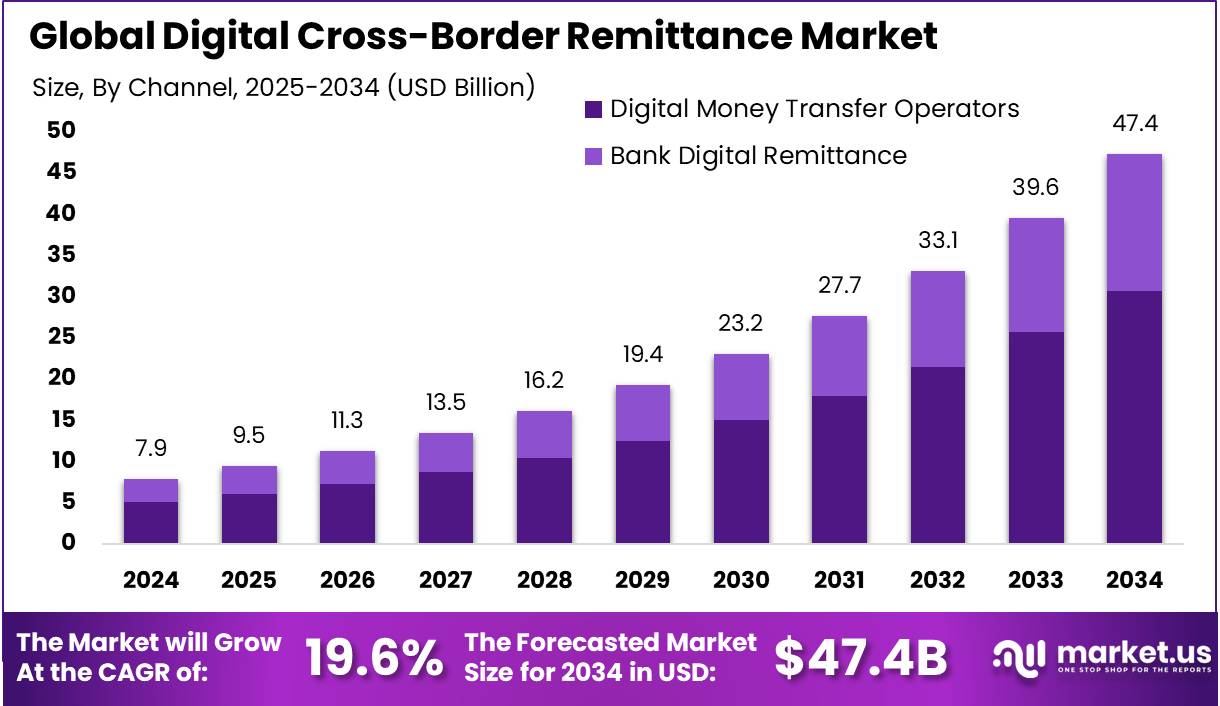
Connect to fiat on-ramps and off-ramps. This could be through banking partners, local payment methods, or mobile money providers. Ensure the integration supports real-time balance updates and transaction status tracking.

Run pilot transactions with small amounts. Verify that the user experience is smooth, fees are transparent, and settlement times meet expectations. Gather feedback from early users to refine the process.
Step 2: Implement compliance and risk controls
Compliance is not optional. It is the foundation of any legitimate remittance infrastructure. Implement automated screening tools to check transactions against sanctions lists and monitor for unusual patterns. This protects your business and ensures you can operate in multiple jurisdictions.
Step 3: Monitor and optimize performance
Once live, continuously monitor key metrics like transaction success rates, settlement times, and customer support tickets. Use this data to identify bottlenecks and optimize your liquidity management. The holy grail of cross-border payments is immediate, cheap, universal, and secure. While no single solution achieves all four perfectly, continuous iteration brings you closer.
-
Define target corridor and currency pair
-
Select stablecoin settlement assets
-
Map regulatory and KYC/AML requirements
-
Integrate fiat on-ramp and off-ramp gateways
-
Conduct end-to-end pilot testing
-
Implement automated compliance screening
-
Monitor transaction metrics and optimize
Fix common mistakes
Even with modern rails, cross-border efficiency collapses under simple operational errors. The gap between promise and reality usually comes down to three specific failures: assuming liquidity exists where it doesn’t, ignoring regulatory friction, and treating compliance as an afterthought.
Assuming liquidity exists Many senders believe stablecoins or major currencies are instantly available in every destination market. This is false. In many corridors, local fiat pairs are thin. If your provider cannot source the exact local currency at the moment of transfer, the recipient waits. Always verify the specific pair’s depth before committing to a route.
Ignoring regulatory friction Rules change by jurisdiction, not by currency. A transfer that is clean in one country may trigger enhanced due diligence in another. Do not assume a global policy applies uniformly. Check the specific AML/KYC requirements for the destination bank or wallet address before initiating the transaction.
Treating compliance as an afterthought Compliance is not a step; it is the foundation. If your infrastructure does not screen transactions against sanctions lists in real-time, the funds will be frozen. This delays settlement by days or weeks. Integrate screening tools early in the flow, not after the money has moved.
Global crypto remittance infrastructure: what to check next
Helpful gear
Use these product recommendations as a starting point, then choose the size, material, and price point that fit how you actually use the gear.


As an Amazon Associate, we may earn from qualifying purchases.
No comments yet. Be the first to share your thoughts!