Why stablecoins dominate remittance corridors
Stablecoins have become the preferred rail for cross-border remittances because they offer near-instant settlement and significantly lower fees compared to traditional banking systems. For senders and recipients in high-cost corridors, this efficiency translates directly into more value retained by the family.
Cost and speed comparison with traditional rails
When sending money across borders, the choice between traditional banking rails and crypto networks comes down to two metrics: how much it costs and how long it takes. For high-stakes financial decisions, relying on anecdotal evidence isn't enough. You need to look at the structural differences in how these systems settle value.
Traditional banking relies on the SWIFT network, a messaging system that coordinates transfers between correspondent banks. While reliable, this multi-layered approach introduces friction. Each intermediary bank may deduct fees, and settlement can take anywhere from one to five business days, depending on weekends and holidays. Traditional Money Transfer Operators (MTOs) like Western Union offer speed but often charge high percentage-based fees, particularly for smaller transfers.
Crypto stablecoins, pegged 1:1 to fiat currencies like the US dollar, offer a different architecture. Transactions occur on public blockchains, bypassing the correspondent banking chain. This allows for near-instant settlement—often within minutes—and significantly lower fixed fees, regardless of the transfer amount. The economic advantage becomes clearer when you compare the total cost of ownership for a standard remittance.
Side-by-side comparison
The table below illustrates the typical differences in fees and settlement times. Note that traditional bank fees often include hidden FX markups, while crypto fees are transparent network costs.
| Remittance Rail | Avg. Fee | Settlement Time | Availability |
|---|---|---|---|
| SWIFT Bank Transfer | $15–$40 + FX markup | 1–5 business days | Weekdays only |
| Traditional MTO (e.g., Western Union) | 3–10% of transfer | Minutes to 24 hours | 24/7 |
| Crypto Stablecoins (e.g., USDC) | $0.10–$2.00 | 1–10 minutes | 24/7 |
Market context
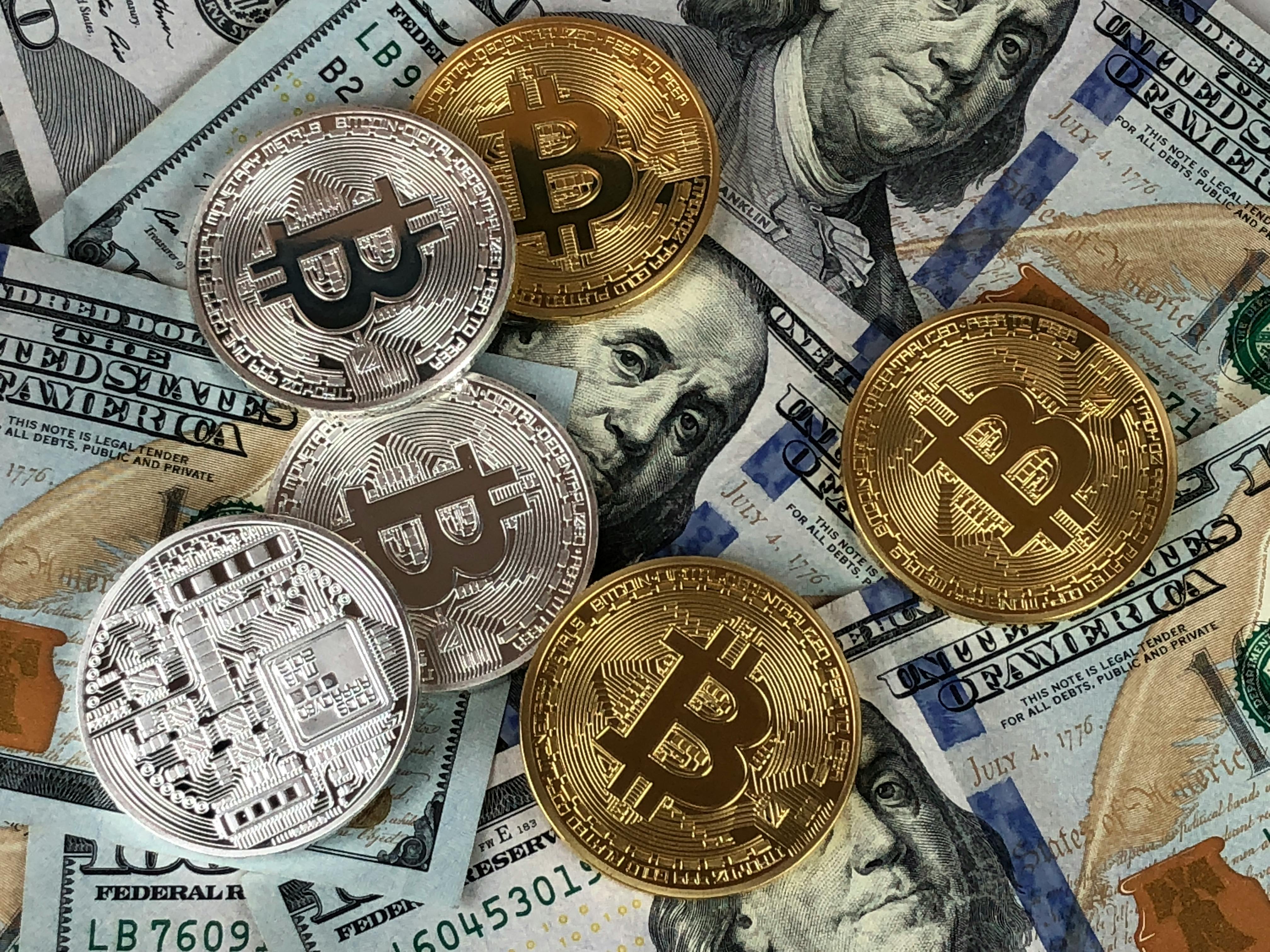
The efficiency of crypto rails is driven by the underlying blockchain technology, but the value being transferred is typically stablecoins rather than volatile assets like Bitcoin. This stability is crucial for remittances, where the sender and recipient want to avoid exchange rate fluctuations during the transfer process.
The Infrastructure Layers Powering Cross-Border Flows
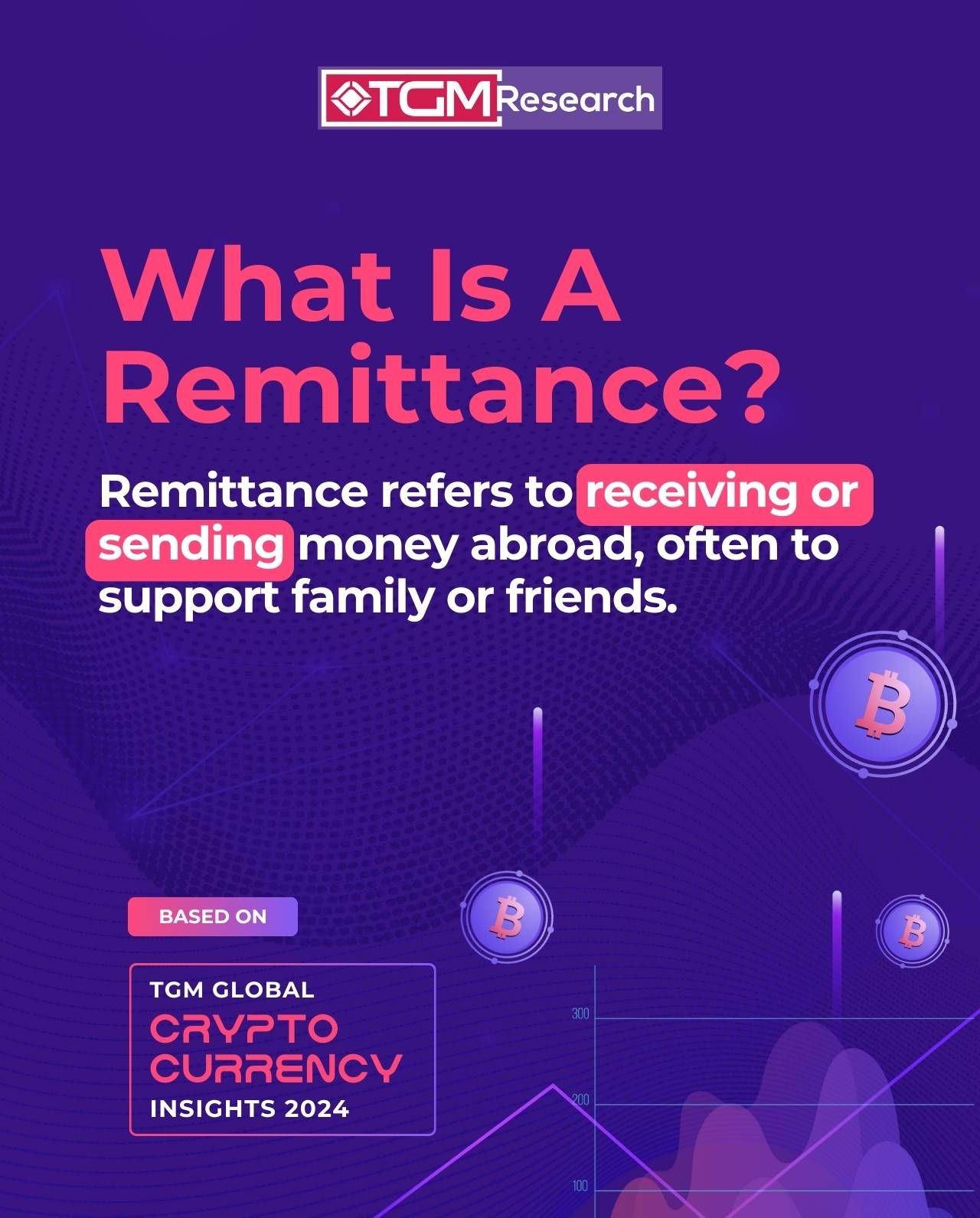
Sending money across borders has always been a logistical headache. For decades, the banking system relied on correspondent banks—intermediaries that hold accounts for each other—to move funds. This model is secure but slow and expensive, often taking three to five days to settle. Crypto remittance replaces this web of intermediaries with blockchain infrastructure, turning a multi-day bank run into a near-instant digital transfer.
The backbone of this efficiency lies in Layer 2 (L2) scaling solutions and bridges. While Bitcoin and Ethereum are secure, they can be slow and costly for small transactions. Layer 2 networks like Polygon process transactions off the main chain, bundling them together before settling on Ethereum. This reduces fees to a fraction of a cent and increases speed, making it viable for everyday remittances rather than just large institutional trades. Without these layers, the cost of sending $50 might exceed the fee itself, rendering the service useless for most migrants.
On-ramps and off-ramps are the critical junctions where crypto meets fiat currency. An on-ramp converts local currency (like USD or EUR) into stablecoins (like USDC or USDT), which are then sent across the blockchain. An off-ramp does the reverse, converting the stablecoins back into local currency for the recipient. These gateways are often integrated directly into mobile wallets, allowing users to send and receive value without ever manually managing private keys or complex exchange interfaces. This seamless integration is what transforms a technical blockchain transaction into a practical financial tool for families relying on remittances.
The viability of global crypto remittance depends on this entire stack working in unison. If the L2 is congested, fees rise. If the on-ramp has poor liquidity, exchange rates suffer. If the off-ramp is slow, the recipient waits. Current market analysis shows that providers leveraging Polygon and other low-cost L2s are gaining market share because they offer the speed and low cost that traditional banks cannot match. As the infrastructure matures, the friction between digital assets and real-world spending continues to decrease, bringing cross-border payments closer to the speed of information.
Navigating Regulatory Hurdles and Compliance Realities
Crypto remittances operate in a legal gray area that shifts rapidly across borders. While the technology offers speed and lower fees, the compliance burden is heavy. Businesses and individuals must navigate a patchwork of regulations that vary significantly by jurisdiction. Ignoring these rules can result in frozen assets, heavy fines, or criminal charges.
The AML/KYC Imperative
Anti-Money Laundering (AML) and Know Your Customer (KYC) requirements are the primary barriers to entry. Regulators demand that remittance providers verify the identity of their users to prevent illicit flows. This means traditional "anonymous" crypto transfers are largely non-compliant for business use. Providers must integrate identity verification tools, transaction monitoring systems, and reporting mechanisms.
For the user, this translates to mandatory identity checks before sending or receiving funds. While this adds friction, it is essential for maintaining access to traditional banking rails. Without proper KYC, exchanges and payment processors cannot legally onboard customers or convert crypto to fiat currency.
Key Market Regulations
Regulatory approaches differ widely across major markets. In the United States, the Financial Crimes Enforcement Network (FinCEN) classifies certain crypto activities as money transmission, requiring Money Transmitter Licenses (MTLs) in each state. This fragmented licensing model creates significant operational complexity for national providers.
In contrast, the European Union has implemented the Markets in Crypto-Assets (MiCA) regulation, which provides a unified framework for crypto service providers across member states. This harmonization aims to reduce compliance costs and increase legal certainty. Other regions, such as Southeast Asia and Latin America, are adopting more nuanced approaches, with some countries embracing crypto while others impose strict bans.
Legal Risks and Best Practices
Operating without proper licensing is a high-stakes gamble. Many startups have been shut down for violating unlicensed money transmission laws. To mitigate risk, companies should prioritize regulatory compliance from day one. This includes engaging legal counsel familiar with local financial laws and implementing robust internal controls.
For individuals, it is crucial to use regulated platforms that adhere to local laws. Avoiding unregulated exchanges or peer-to-peer networks reduces the risk of encountering fraudulent services or legal repercussions. Always verify the licensing status of any crypto remittance provider before transferring funds.
How to receive international payments through crypto
Receiving crypto remittances is straightforward once you understand the workflow. The process mirrors traditional banking but moves faster and often costs less. You need a digital wallet, a public address, and a plan to convert the funds into local currency.
Here is the step-by-step workflow to receive payments safely.
Download a reputable self-custody wallet like Exodus, Trust Wallet, or MetaMask. These tools give you direct control over your private keys. During setup, write down your seed phrase on paper and store it in a secure location. Never share this phrase digitally; anyone with it can drain your funds.
Once your wallet is active, select the specific cryptocurrency you expect to receive (e.g., USDC, USDT, or BTC). Click "Receive" to generate a unique public address. This address is like your IBAN—it identifies your account but cannot be used to withdraw funds. Share this address with the sender via a secure channel.

Before sending, confirm that the sender uses the same blockchain network as your wallet. Sending USDC on the Ethereum network to a wallet expecting it on Tron will result in lost funds. Most wallets allow you to select the network explicitly. If you are unsure, ask the sender to provide a small test transaction first.
Crypto remittances are most useful when converted to spendable cash. You can use a centralized exchange (like Coinbase or Binance) or a peer-to-peer (P2P) platform. Deposit the received crypto into the exchange, sell it for your local fiat currency, and withdraw the funds to your linked bank account or mobile money wallet.
Critical safety checks
The biggest risk in crypto remittance is sending funds to the wrong address or network. Always double-check the first and last four characters of the address before confirming a transaction. If the sender is new, ask for a small test payment of $1 or less to verify the flow works before processing larger amounts.
Tracking your transfer
Once the sender initiates the transfer, you can track its progress using a blockchain explorer. Enter the transaction hash (TXID) provided by the sender into a block explorer like Etherscan or Tronscan. This will show you the confirmation status and help you verify that the funds have arrived in your wallet before you attempt to sell them.
Frequently asked questions about crypto remittances
Navigating cross-border payments requires clarity on both the technical steps and the broader market context. Below are answers to common queries about receiving payments and understanding the crypto remittance landscape.
For real-time market context, you can track current asset performance using the widget below. This helps contextualize the value stability and liquidity available for remittance transactions.
No comments yet. Be the first to share your thoughts!