Global crypto remittance strategy
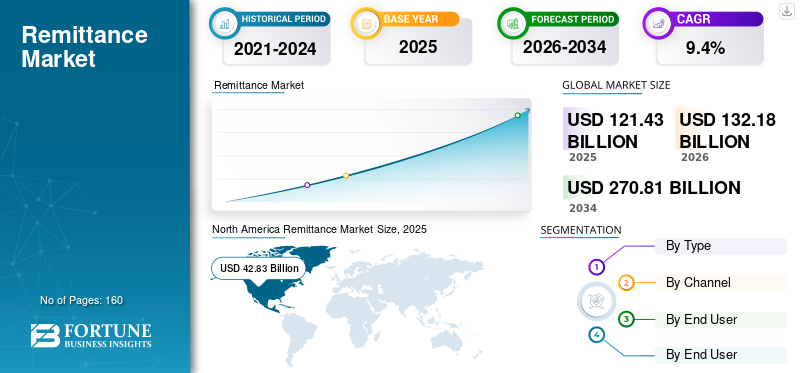
Building a global crypto remittance strategy requires treating digital assets not as a replacement for traditional banking, but as a targeted tool for specific corridors and high-value transactions. While the global remittance market exceeds half a trillion dollars annually, cryptocurrencies face structural barriers that prevent them from becoming a universal solution for low-income households. The primary constraints are volatility, network fees, and the lack of seamless integration with local cash-out infrastructure in many developing economies.
For a strategy to work, it must prioritize stability and speed over theoretical decentralization. Users typically rely on stablecoins like USDC or USDT to avoid the price swings associated with Bitcoin or Ethereum during the transfer window. However, even with stablecoins, the "last mile" problem remains significant. In top recipient countries like India, Mexico, and the Philippines, the ability to convert digital tokens into local currency quickly and at a low cost determines the viability of the channel. Without reliable local exchange partners, the theoretical savings of crypto are often erased by conversion fees and delays.
Regulatory compliance adds another layer of complexity. Financial institutions and fintech providers must navigate varying anti-money laundering (AML) and know-your-customer (KYC) requirements across borders. This fragmentation means that a seamless cross-border payment in one region may be blocked or heavily taxed in another. A robust strategy therefore requires a multi-currency approach, selecting the most efficient blockchain for each specific corridor based on current gas fees, local regulatory clarity, and partner liquidity. Ignoring these ground-level realities leads to stranded funds and frustrated users, undermining the core value proposition of faster, cheaper remittances.
Global crypto remittance strategy choices that change the plan
Choosing a crypto remittance path requires weighing speed, cost, and regulatory friction. Unlike traditional wire transfers, blockchain networks offer near-instant settlement, but this advantage comes with volatility risk and varying compliance burdens depending on the destination.
The table below compares the primary methods available in 2026. Each option presents distinct tradeoffs between finality, fees, and accessibility for the recipient.
| Method | Speed | Cost | Regulation | Risk |
|---|---|---|---|---|
| Stablecoins (USDC/USDT) | 1-10 mins | Low ($0.10-$2) | High (KYC/AML required) | Low (price stable) |
| Bitcoin (BTC) | 10-60 mins | Medium ($1-$10) | Medium (variable) | High (volatile) |
| Ethereum (ETH) | 1-5 mins | High ($2-$20+) | High (KYC/AML required) | Medium (volatile) |
| Cross-Border Crypto Cards | Instant (at ATM) | Medium-High (FX fees) | High (local license) | Low (fiat settlement) |
Stablecoins currently offer the most predictable cost structure for remitters, as the exchange rate remains fixed to the US dollar. This eliminates the risk of the recipient receiving less value due to market swings during the transfer window. However, stablecoin issuers face increasing regulatory scrutiny, and some jurisdictions may restrict on-ramps and off-ramps.
Bitcoin remains a popular choice for larger, less time-sensitive transfers due to its network security and liquidity. Yet, price volatility can erode the value of the sent amount if the market moves against the sender before the recipient cashes out. This makes BTC less ideal for daily living expenses.
Regulatory compliance is the biggest hidden cost. Most reputable crypto remittance platforms now require strict Know Your Customer (KYC) checks. While this adds friction to the user experience, it ensures that funds are not diverted to sanctioned entities, protecting the platform from legal shutdowns.
For recipients in countries with unstable local currencies, holding crypto rather than converting immediately to fiat can act as a hedge against inflation. However, this strategy requires technical literacy and secure storage solutions, which many first-time users lack. The tradeoff is clear: convenience versus control.
When selecting a strategy, prioritize the reliability of the local exit liquidity. A platform may offer low fees, but if the recipient cannot easily convert the crypto to local cash or spend it at local merchants, the utility is limited. Always verify the availability of peer-to-peer (P2P) markets or local agent networks in the destination country before initiating large transfers.
Build a practical cross-border payment strategy
The global remittance market exceeds half a trillion dollars, yet most consumer corridors still rely on legacy rails that bleed value through hidden fees and slow settlement times. Building a strategy requires moving beyond simple cost comparisons to evaluate infrastructure resilience, regulatory compliance, and final delivery speed. This framework breaks down the essential checks for establishing a viable crypto remittance operation.
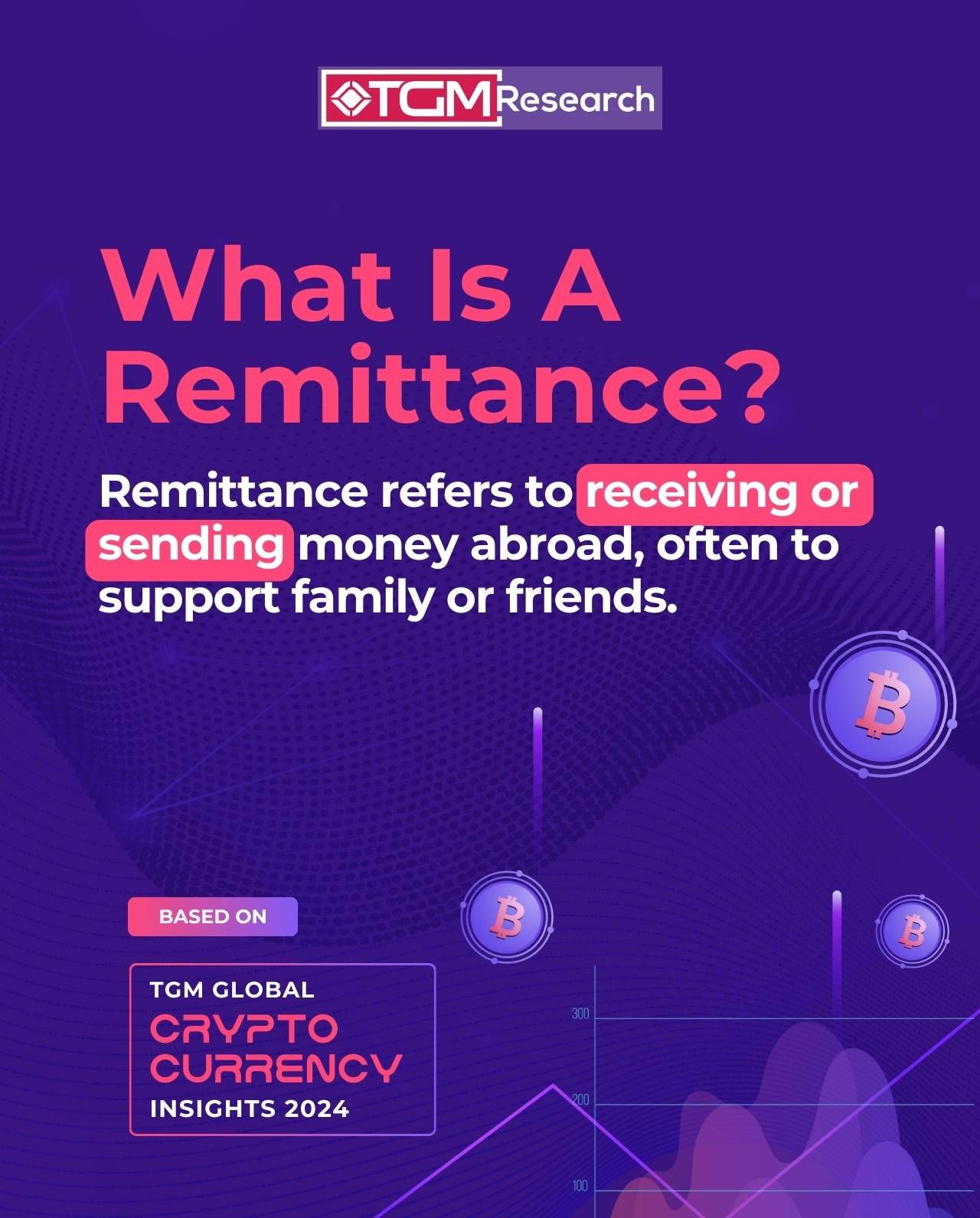
Start by identifying the specific origin and destination pair. Remittance costs vary wildly by route; sending from the US to India differs significantly from sending within Southeast Asia. Research the top five recipient countries—India, Mexico, China, the Philippines, and France—to understand volume concentrations. Verify that the destination has sufficient liquidity for the chosen asset to avoid slippage during conversion to local currency.
Choose between stablecoins and volatile assets like Bitcoin or Ethereum. Stablecoins (USDC, USDT) offer price stability, making them preferable for value preservation in high-inflation economies. Volatile assets may offer lower on-chain fees but introduce exchange rate risk between the moment of sending and the moment of withdrawal. For most business models, stablecoins provide the predictability required for consumer trust.
Cryptocurrencies are unlikely to provide a comprehensive solution to high remittance costs without addressing knowledge barriers and financial risks. Ensure your strategy includes robust KYC (Know Your Customer) and AML (Anti-Money Laundering) checks. Review local regulations in both the sending and receiving jurisdictions. Non-compliance can lead to frozen funds or legal action, which is particularly high-stakes in cross-border payments.

You need reliable on-ramps and off-ramps. Partner with exchanges or payment processors that have direct integration with local banks or mobile money providers in the destination country. Evaluate their withdrawal speeds and fee structures. A slow off-ramp can negate the speed advantages of blockchain technology. Test the flow with small amounts before scaling up to verify reliability.
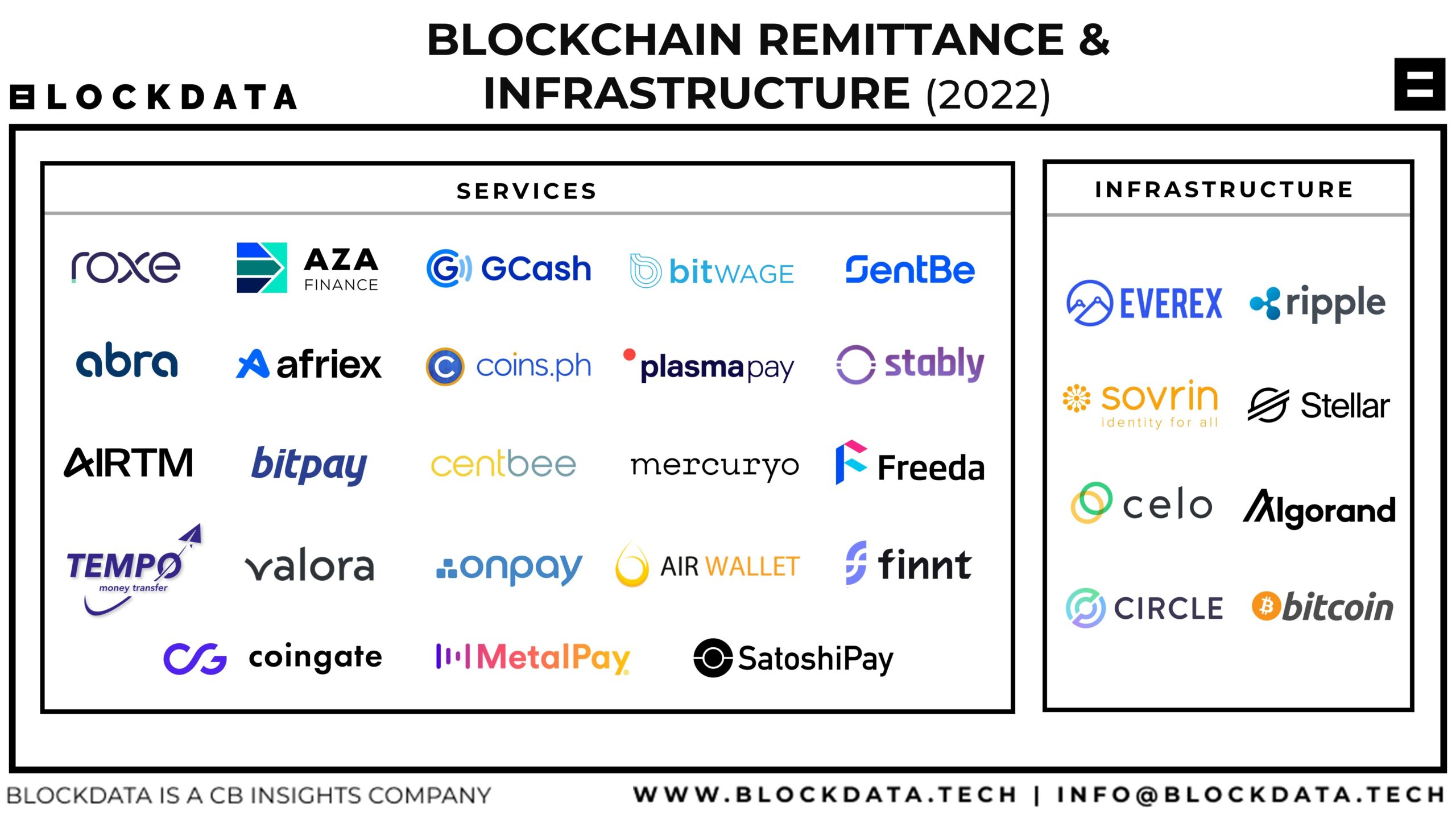
Simulate failure scenarios. What happens if the network congests? What if the local partner experiences a bank holiday? Build in buffer fees to cover network spikes. Ensure you have a contingency plan for failed transactions. The goal is to provide a seamless experience where the recipient receives the correct amount, even if the process takes slightly longer than expected during market volatility.



As an Amazon Associate, we may earn from qualifying purchases.
The shift toward crypto remittances is not just about technology; it is about building trust in a system that has historically failed many migrant workers. By following these steps, you can create a strategy that balances cost efficiency with regulatory safety and operational reliability.
Common Mistakes in Crypto Remittance Strategy
Many providers promise instant, low-cost transfers but hide significant friction in the settlement phase. A strategy that ignores the final leg of the journey often fails when users need cash in hand. The gap between sending crypto and receiving fiat is where value leaks occur, driven by liquidity constraints and regulatory compliance checks.
Ignoring Liquidity Depth
High transaction volume does not guarantee fast settlement. If a provider lacks deep liquidity pools in the recipient’s local currency, users face delays or unfavorable spot rates. Always verify the provider’s ability to convert assets instantly in the target market, not just their ability to process the initial blockchain transaction.
Overlooking Regulatory Traps
Cryptocurrencies are unlikely to provide a comprehensive solution to high remittance costs due to knowledge-based barriers and compliance requirements. Providers must navigate complex anti-money laundering (AML) rules, which can freeze funds if documentation is incomplete. Choose platforms with transparent compliance workflows to avoid frozen assets and lost capital.
Focusing Only on Top Recipients
While countries like India, Mexico, and China receive the bulk of global remittances, niche corridors often offer better margins. Smaller corridors may have less competition among providers, leading to better rates for senders. Analyze specific routes rather than relying on global averages, as liquidity and regulatory environments vary significantly by country.
Proof Checks for Providers
Verify claims by testing small transactions before committing large sums. Check the actual time to cash-out and the final amount received after all fees. Use the
to monitor volatility during transfers, as sudden price swings can erode the value of your remittance if not hedged properly.Global crypto remittance strategy: what to check next
Before moving funds, address the practical realities of cost, speed, and compliance. Crypto remittances offer lower fees and faster settlement than traditional banks, but they require careful planning to avoid regulatory pitfalls and market volatility.
No comments yet. Be the first to share your thoughts!