Building a Global Crypto Remittance Strategy
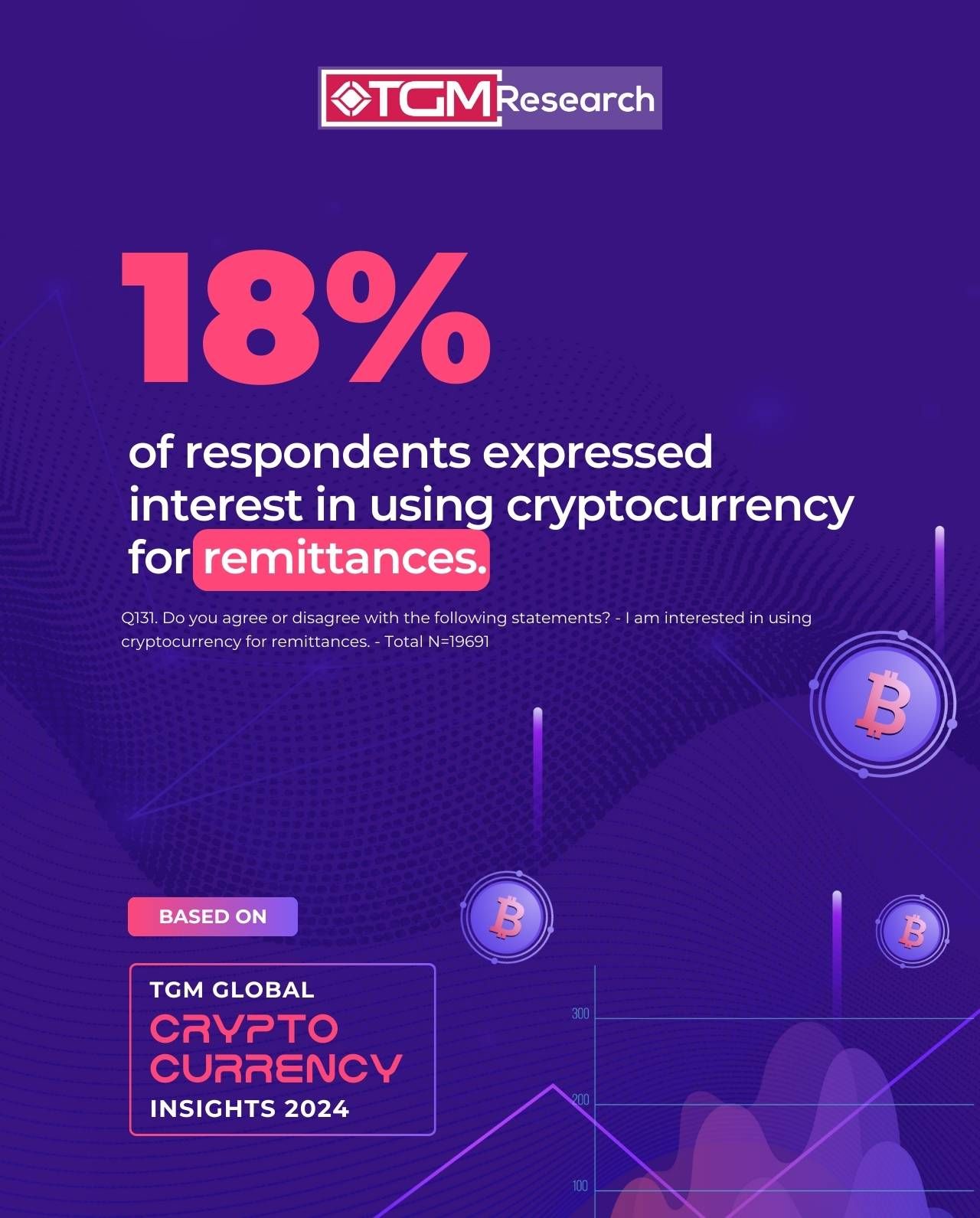
A global crypto remittance strategy turns cross-border transfers into a utility rather than a luxury. The goal is simple: move value across borders with speed, low fees, and predictable exchange rates. Traditional banking rails often struggle with this balance, charging high fees and taking days to settle. Cryptocurrencies offer a different path, one that prioritizes immediacy and accessibility over legacy infrastructure.
The "holy grail" of cross-border payments remains a solution that is immediate, cheap, universal, and settled in a secure medium. While no single asset solves every problem, stablecoins and major cryptocurrencies like Bitcoin have moved closest to this ideal. They bypass the correspondent banking network, reducing friction and cost for both senders and receivers.
Success in this space requires more than just picking a coin. It demands a strategy that accounts for regulatory compliance, liquidity in destination countries, and user experience. A robust strategy integrates these elements to ensure funds arrive safely and efficiently, turning complex financial logistics into a seamless experience for the end user.
Global crypto remittance strategy choices that change the plan
Choosing a crypto remittance path requires weighing speed, cost, and regulatory safety. The "holy grail" of cross-border payments remains a solution that is immediate, cheap, universal, and settled securely. No single asset or network currently delivers all four simultaneously. Your strategy depends on which tradeoff matters most for your specific corridors and recipient profiles.
Stablecoins: Predictability for Daily Needs
Stablecoins like USDC or USDT offer price stability, making them ideal for everyday remittances where the recipient needs predictable value. They are widely supported on low-fee networks like Polygon or Solana, keeping transaction costs under $1. However, they carry regulatory risk. If a stablecoin issuer faces scrutiny or loses its peg, the value sent can vanish. Use stablecoins when the recipient needs to spend funds immediately in local currency or goods without fearing volatility.
Bitcoin: Store of Value for Large Transfers
Bitcoin provides a censorship-resistant settlement layer with deep liquidity. It is best suited for large, infrequent transfers where the sender and receiver can tolerate price volatility or have a hedging mechanism. Transaction fees can spike during network congestion, and settlement times vary. Bitcoin is not a daily driver for remittances but serves as a robust bridge for high-value cross-border wealth movement.
Alt-Layer Networks: Speed vs. Decentralization
Networks like Arbitrum, Optimism, or Avalanche offer near-instant finality and low fees. They are excellent for high-frequency, low-value remittances. The tradeoff is often lower decentralization or reliance on centralized validators. For remittance corridors in emerging markets, these networks provide the user experience closest to traditional fintech apps, but users must trust the underlying bridge infrastructure.
Regulatory Compliance: The Hidden Cost
The most significant tradeoff is compliance. Crypto remittances must navigate AML (Anti-Money Laundering) and KYC (Know Your Customer) rules. Non-custodial wallets offer privacy but limit on-ramp/off-ramp options. Custodial services are easier to use but introduce counterparty risk. Always verify that the remittance channel complies with both the sender’s and receiver’s local regulations to avoid frozen funds.
| Asset | Speed | Cost | Primary Risk |
|---|---|---|---|
| Stablecoins | Fast | Low | Regulatory/Peg |
| Bitcoin | Slow | Medium | Volatility |
| Alt-L1s | Instant | Very Low | Centralization |
Market Context
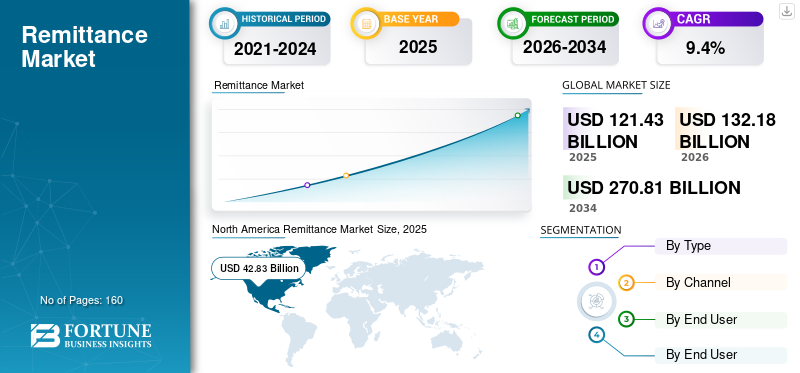
The cross-border payments market is projected to reach $290 trillion by 2030. Crypto’s share depends on solving the "trilemma" of speed, cost, and security. The following chart shows Bitcoin’s recent performance, which influences the risk profile for non-stablecoin remittances.
Build a crypto remittance strategy
Choosing a cross-border payment method is a tradeoff between speed, cost, and compliance. The "holy grail" of immediate, cheap, universal payments remains elusive, but stablecoins and regulated infrastructure have narrowed the gap significantly.
Use this framework to evaluate your options against real-world constraints.
Before moving funds, verify that both the sending and receiving jurisdictions allow crypto-to-fiat conversion. Stripe and other fiat on-ramps maintain strict geofencing. Check the local central bank’s stance on stablecoins, as regulations in Latin America and Southeast Asia differ from the EU or US.

Crypto remittances are cheaper than traditional wires, but not always the cheapest. Calculate the full cost: network gas fees, exchange spread, and local withdrawal fees. For small amounts, stablecoins on low-fee networks like Solana or Polygon often beat SWIFT. For larger sums, compare against traditional providers like Wise or Revolut.
Bitcoin is volatile and slow for remittance. Use USD-pegged stablecoins (USDC, USDT) for price stability. If your recipient is in a country with high inflation, stablecoins offer a hedge. Ensure the recipient’s local exchange supports your chosen stablecoin to avoid liquidity issues.

Do not use anonymous peer-to-peer exchanges for business or large personal transfers. Use regulated platforms like Stripe, Circle, or local licensed money service businesses (MSBs). These platforms provide audit trails required for tax compliance and reduce the risk of frozen funds.
Send a small test amount before committing significant capital. This verifies the recipient’s wallet address, checks the network speed, and confirms the local withdrawal fee structure. If the test fails, you can troubleshoot without losing funds.
| Method | Speed | Cost | Regulation |
|---|---|---|---|
| SWIFT | 1-5 days | High | Strict |
| Wise/Revolut | 1-2 days | Low | Strict |
| Crypto Stablecoins | Minutes | Very Low | Evolving |
Watch for Weak Options in Crypto Remittance
The global remittance market is a half-trillion-dollar sector where consumers send money to family and friends across borders. While cryptocurrencies offer an alternative to traditional wire transfers, not every option delivers on the promise of speed and low cost. Many providers hide fees in poor exchange rates or impose hidden withdrawal charges that erode your savings.
The holy grail of cross-border payments is a solution that is immediate, cheap, universal, and settled in a secure medium. However, many crypto remittance tools fail to meet all four criteria simultaneously. You must check the total cost of transfer, not just the headline fee. Look for providers that offer transparent mid-market exchange rates and clear withdrawal schedules.
Avoid platforms that promise instant settlement but rely on slow on-chain confirmations during network congestion. Similarly, steer clear of services that require excessive identity verification steps that delay urgent transfers. The best options balance regulatory compliance with operational efficiency. Always compare the final amount received by the beneficiary against the amount sent to identify the true cost of the transaction.
Global crypto remittance strategy: what to check next
Addressing common objections helps clarify whether blockchain-based transfers fit your specific needs. Below are direct answers to the most frequent practical questions regarding cost, speed, and regulatory compliance.
Helpful gear
Use these product recommendations as a starting point, then choose the size, material, and price point that fit how you actually use the gear.



As an Amazon Associate, we may earn from qualifying purchases.
No comments yet. Be the first to share your thoughts!