Why remittance costs matter now
Sending money across borders has long been a tax on movement. If you’ve ever tried to send funds to family abroad, you know the frustration: a small percentage vanishes into fees, exchange rate markups, and hidden banking charges before the money ever arrives. This isn’t just an inconvenience; it’s a significant drain on global liquidity, particularly for migrant workers sending home.
The World Bank tracks these flows closely. Their latest data indicates that the global average cost of sending $200 is around 6.2%. While this has dropped from historical highs, it remains stubbornly high compared to domestic transfers. To put that in perspective, on a standard $500 transfer, roughly $31 disappears into the system. For lower-income households, those fees represent a much larger share of their total income, effectively reducing the value of their labor.
This gap between traditional banking costs and digital possibilities is the driving force behind the global crypto remittance guide discussion. Blockchain networks offer a different infrastructure—one where settlement happens in minutes, not days, and where fees are often a fraction of a cent. By bypassing the correspondent banking chain, stablecoins and other digital assets can deliver value at a cost that is structurally lower than the 6.2% average.
The economic urgency here is clear. When you remove the middlemen and the legacy banking rails, the cost structure changes entirely. This isn’t about speculation; it’s about efficiency. For millions of people, the difference between paying $30 and $1 to send money is the difference between a meal and a skipped one. Understanding this cost disparity is the first step in evaluating whether digital assets are a viable alternative for your international transfers.
How stablecoin remittances work
Sending money across borders with stablecoins is less about blockchain theory and more about a simple three-step transfer. Instead of routing funds through multiple correspondent banks, you convert local currency into a digital dollar, move it across a network, and convert it back at the destination. This process typically takes minutes rather than days.
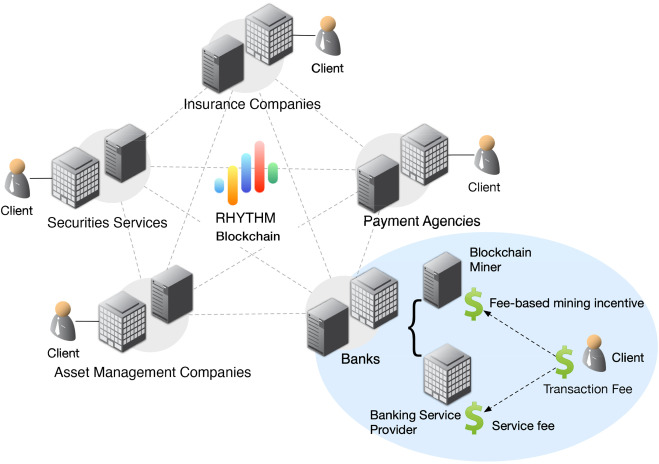
The sender uses a regulated exchange or payment provider to purchase a stablecoin like USDC or USDT. This step requires a fiat on-ramp, where local currency is exchanged for the digital asset. The exchange holds the fiat reserves while issuing the corresponding tokens to the sender's wallet. This initial conversion sets the value in motion.
Once purchased, the stablecoins are sent to the recipient's wallet address. Unlike traditional wires that move through a slow banking network, this transaction is recorded on a public ledger. The sender pays a small network fee, and the transfer is confirmed by validators. For most major stablecoins, this settlement happens in seconds or minutes, regardless of the distance between countries.
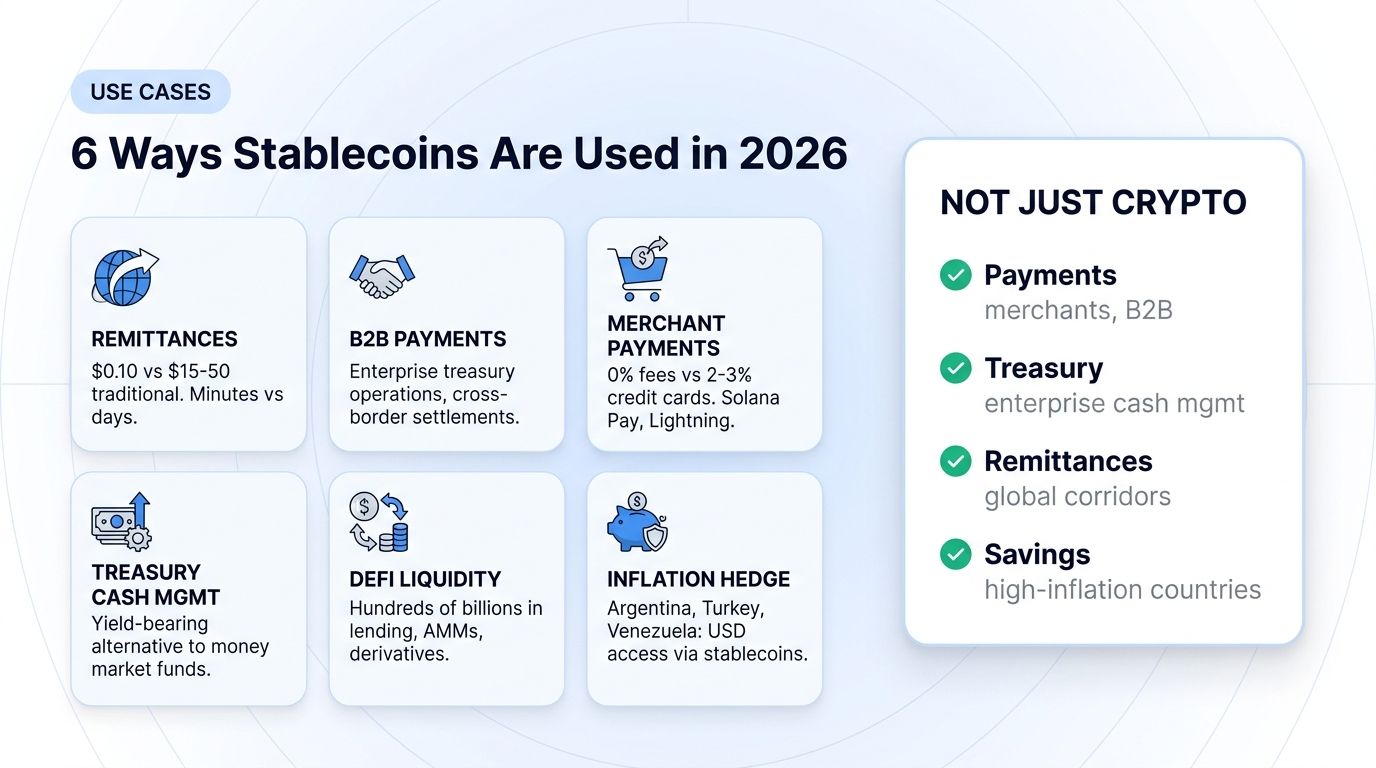
The recipient receives the tokens in their digital wallet. To use the funds, they sell the stablecoins for their local currency through a local exchange or peer-to-peer platform. The fiat is then deposited into their bank account or mobile money wallet. This off-ramp completes the cycle, delivering value that closely tracks the US dollar's purchasing power.
The stability of this method relies on the peg to the US dollar. While the underlying blockchain technology changes, the economic mechanism remains consistent: you are moving a digital representation of value rather than physical currency or credit.
Stablecoins vs. traditional wires
When you move money across borders, you are usually choosing between two very different systems. Traditional banks rely on the SWIFT network, a messaging system that has aged but remains the standard for institutional finance. Crypto rails use blockchain networks to settle transactions directly on a digital ledger. The difference is not just technical; it changes how much you pay and how fast the recipient gets their funds.
Cost and speed comparison
The most immediate difference is the cost. The World Bank reports that the global average fee for traditional remittances sits around 6.2%. On a standard $500 transfer, that means you lose roughly $31 in fees before the money even leaves your account. Stablecoins operate differently. While blockchain network fees (gas) vary by congestion, they are typically a flat, small amount regardless of the transfer size. Sending $1,000 or $10,000 in USDC on a low-fee network often costs less than $1 in total fees.
Settlement time follows a similar pattern. Traditional wires often take one to three business days to clear, especially if they involve intermediary banks in different time zones. Crypto transactions settle in seconds or minutes. This speed matters for emergency support or business payments where cash flow cannot wait.
Availability and access
Traditional banks require physical branches or complex online banking setups. They also enforce strict compliance checks that can freeze funds for days. Crypto remittances are accessible 24/7 from anywhere with an internet connection. There is no "bank holiday" on a blockchain. However, this accessibility comes with a learning curve. Users must manage digital wallets and understand private keys, which can be a barrier for non-technical recipients.
The table below breaks down the core differences between these methods.
| Feature | Stablecoins (e.g., USDC) | Traditional SWIFT Wire | Mobile Money (e.g., M-Pesa) |
|---|---|---|---|
| Avg. Fee | < $1 (network dependent) | $15–$50 + FX spread | 1%–3% |
| Settlement Time | Seconds to minutes | 1–3 business days | Instant to hours |
| Availability | 24/7/365 | Business hours only | 24/7 |
| Minimum Transfer | $1 (varies by platform) | Often $500–$1,000+ | $1–$5 |
| Recipient Needs | Digital wallet + internet | Bank account details | Mobile phone number |
When to use which
For small, frequent transfers or emergency support, stablecoins offer the best combination of speed and low cost. The lack of hidden foreign exchange spreads makes the final amount received more predictable. Traditional wires remain necessary for large corporate transactions or when dealing with institutions that do not yet accept digital assets. Mobile money serves as a hybrid in regions where smartphone penetration is high but banking infrastructure is limited.
The choice depends on your specific use case. If speed and cost are your primary drivers, crypto rails are currently unmatched. If you are moving large sums to established corporate accounts, traditional wires still provide the regulatory familiarity that many businesses require.
Best cryptocurrencies for transfers
When moving money across borders, stability and speed matter more than speculation. For global crypto remittance, stablecoins are the practical choice because they peg to fiat currencies, removing volatility risk for both sender and receiver. Among them, USDC and USDT dominate the market due to deep liquidity and widespread acceptance on low-fee networks.
USDC (USD Coin) is often preferred for its regulatory transparency and regular attestation reports, making it a safer bet for compliant operations. USDT (Tether) offers the highest liquidity volume, which can mean slightly better rates during peak times, though its reserve composition has faced more scrutiny. Both assets trade near $1.00, ensuring your recipient gets the expected value.
The network you choose to move these tokens is just as important as the token itself. Ethereum mainnet is too expensive for small remittances, so most users route USDC or USDT through Layer 2 solutions like Polygon or Arbitrum, or alternative chains like Solana. These networks offer transaction fees under $0.05 and settlement times of seconds to minutes, making them viable for everyday transfers.
For a visual reference of market trends, you can track the price stability of these assets against the US Dollar.
Compliance and regulatory risks
Sending money across borders isn't just about speed; it's about navigating a patchwork of rules that change without warning. In global crypto remittance, you are walking a line between financial innovation and strict regulatory oversight. Ignoring these boundaries doesn't just risk a failed transaction—it can lead to frozen funds or legal trouble.
The AML and KYC reality
Financial Action Task Force (FATF) guidelines have forced exchanges and payment processors to implement robust Anti-Money Laundering (AML) and Know Your Customer (KYC) checks. If you are using a centralized platform, expect to verify your identity. These measures are designed to track the flow of funds and prevent illicit activity. Skipping these steps on regulated platforms is impossible, but it highlights why unregulated channels are so dangerous.
Risks of unregulated channels
Using unregulated or offshore entities might seem like a way to bypass fees and checks, but the risk is disproportionately high. There is no consumer protection, no recourse for lost funds, and a higher likelihood that your transaction will be flagged by banking partners. Regulatory bodies are increasingly targeting these gaps, making "off-the-books" remittance a liability rather than a shortcut.
How to send money internationally with crypto
Sending money across borders using stablecoins requires a clear workflow. The process generally involves converting fiat to a stablecoin, selecting the correct blockchain network, and ensuring the recipient can access the funds. This method often bypasses traditional banking delays, provided you follow safety protocols.
Select a regulated exchange or remittance service. Verify that the platform supports both your local currency and the stablecoin you intend to use. Check for user reviews and regulatory compliance to ensure your funds are secure during the conversion phase.
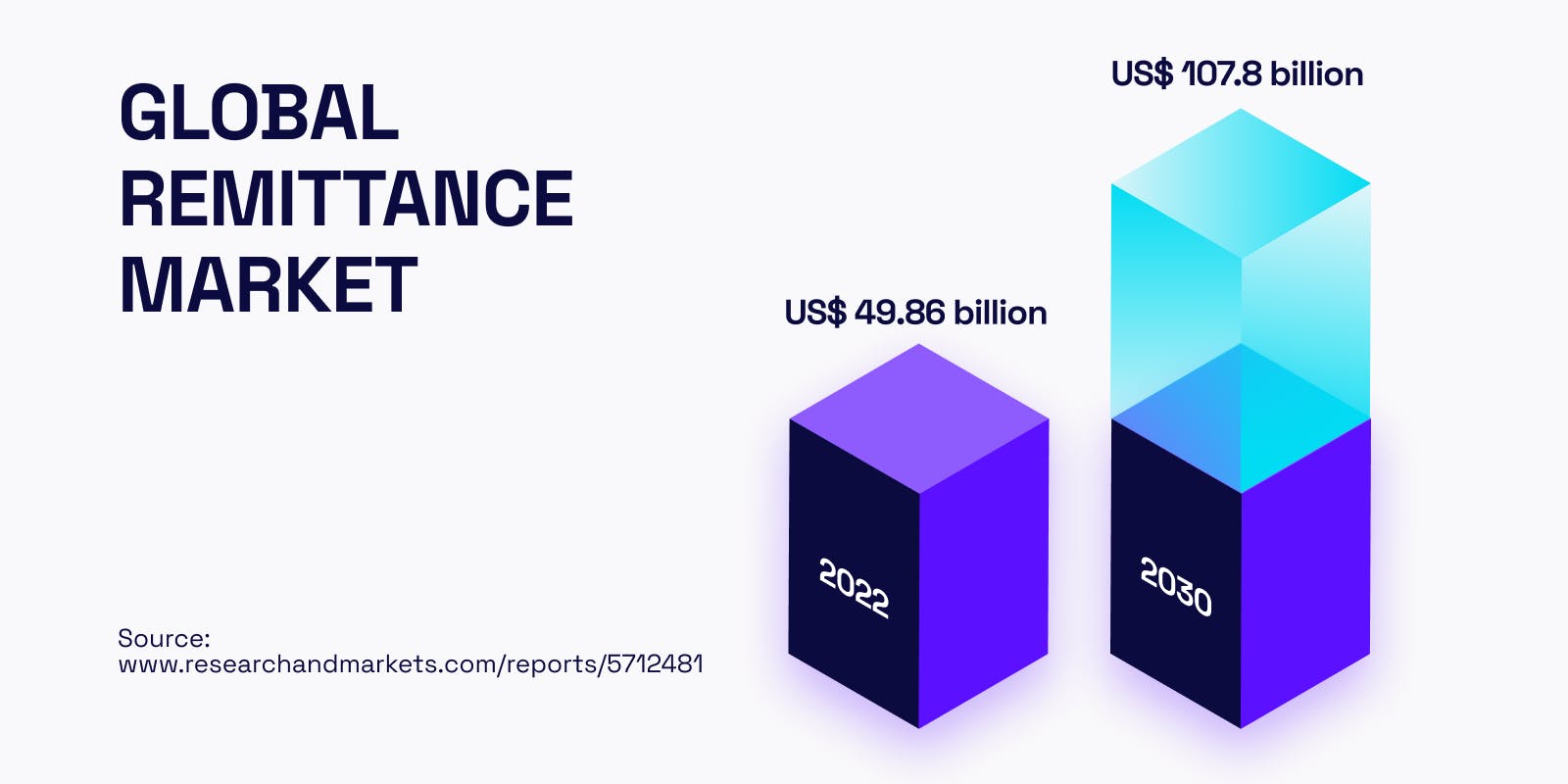
Deposit your local currency into the platform and convert it to a stablecoin like USDC or USDT. Ensure the conversion rate is competitive. Some services offer instant conversion, while others may hold funds for security checks. Confirm the transaction details before finalizing the exchange.
Before sending, double-check the recipient's wallet address. A single typo can result in permanent loss of funds. Confirm the network (e.g., Ethereum, Solana, Tron) matches what the recipient expects. Mismatched networks are a common cause of failed transfers.
Initiate the transaction and pay the associated network fee. Fees vary significantly by blockchain; some networks cost less than a dollar, while others may exceed ten dollars. Record the transaction ID (hash) immediately. This ID allows you to track the transfer on a blockchain explorer if delays occur.

Send the transaction ID to the recipient via a secure channel. The recipient should verify the funds have arrived in their wallet before spending them. If using a hybrid service, the recipient may receive a cash payout or bank deposit instead of crypto directly.
Always prioritize security over speed. Use two-factor authentication on your exchange account and never share your private keys. For real-time cost comparisons, check current stablecoin prices and network fees before initiating your transfer.
Common questions about crypto remittances
Understanding the mechanics and costs of moving money across borders helps you choose the right path for your transfers. Here are direct answers to the most frequent questions about global crypto remittance.
No comments yet. Be the first to share your thoughts!