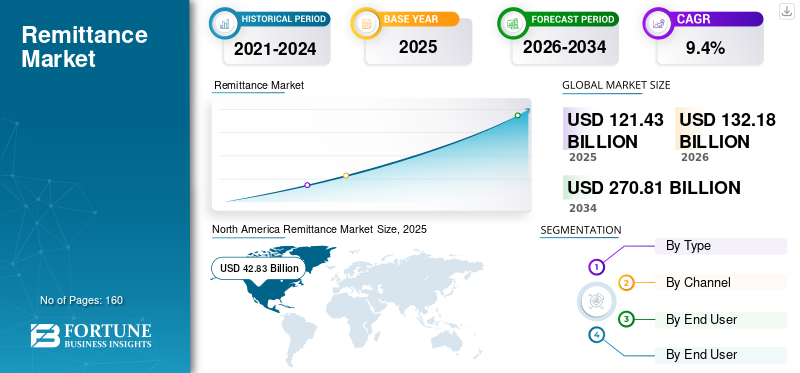
The new rails for global remittances
The architecture of global money movement is undergoing a structural shift. For decades, the system relied on a fragmented stack of traditional financial rails: correspondent banks, money transfer operators (MTOs), and complex foreign exchange engines. Today, that legacy infrastructure is being layered with a new wave of blockchain-native protocols, creating parallel channels for value transfer.
This transition is not merely about speed; it is about the underlying connectivity. The 2026 market is defined by the convergence of these two worlds. Traditional institutions are no longer just observing the blockchain space—they are integrating stablecoin rails to reduce settlement times and counterparty risk. The result is a hybrid ecosystem where legacy banking corridors coexist with decentralized networks.
To understand the scale of this shift, it helps to look at the liquidity driving it. Stablecoins have emerged as the primary bridge asset, offering a digital dollar equivalent that moves instantly across borders. Their stability and depth make them the preferred vehicle for cross-border payments, effectively serving as the new settlement layer for international trade.
The following chart illustrates the stability and liquidity depth of this primary bridge asset, showing how USDC maintains its peg against the US dollar while facilitating massive daily volumes.
Stablecoins as the new payment rails
Stablecoins like USDC and USDT have moved beyond speculative assets to become the primary infrastructure layer for cross-border payments. By pegging digital tokens to fiat currencies, they offer the speed of blockchain settlement without the volatility of Bitcoin or Ethereum. For remittance corridors, this means replacing the slow, fragmented network of correspondent banks with a direct, programmable ledger.
The shift is driven by efficiency. Traditional wire transfers often take two to five days to settle, involving multiple intermediaries that each take a cut. Stablecoin networks operate 24/7, settling transactions in seconds or minutes. This infrastructure allows fintechs and money transfer operators to build APIs that move value globally with near-instant finality, drastically reducing the friction that has long plagued international money movement.
Network performance comparison
The underlying blockchain network dictates the user experience. While Ethereum offers security, its base layer fees can be prohibitive for small remittances. Layer-2 solutions and alternative chains like Polygon and Solana have emerged as the practical choice for high-volume, low-value transfers, offering negligible fees and rapid confirmation times.
| Network | Settlement Time | Avg. Cost (Transfer) | Finality |
|---|---|---|---|
| Ethereum (Base) | 12–15 seconds | $1–$5 (variable) | ~15 minutes |
| Polygon | < 2 seconds | <$0.01 | ~10 seconds |
| Solana | < 1 second | <$0.01 | ~400 milliseconds |
This table illustrates why Polygon and Solana are preferred for remittance infrastructure. The cost difference is stark: a $50 transfer on Ethereum might lose 10% to fees, while the same transfer on Polygon or Solana costs fractions of a cent. This efficiency is what makes stablecoins competitive with traditional services like Western Union for everyday users.
Live market context
The stability of the rail depends on the stability of the asset. Monitoring the price action of major stablecoins helps ensure liquidity and peg integrity during high-volume transfer periods.
For developers and enterprises building these rails, understanding the technical chart patterns of the underlying stablecoin pairs can help gauge network health and liquidity depth during peak transfer windows.
Legacy systems versus blockchain
The traditional remittance landscape is dominated by SWIFT, a messaging network that has become the global standard for cross-border bank transfers. Its reputation rests on security and regulatory compliance, making it the trusted backbone of international finance. However, this reliability comes with structural friction. Because SWIFT is a messaging system rather than a settlement layer, it relies on a chain of correspondent banks to move funds. Each intermediary takes a cut, and the lack of real-time finality means money can be tied up for days.
Blockchain infrastructure offers a different architecture. Instead of routing payments through multiple intermediaries, stablecoins allow for direct peer-to-peer settlement on a public ledger. This shift fundamentally alters the cost and speed dynamics of remittances. By removing the need for correspondent banking relationships, crypto rails enable faster settlement and significantly lower transaction fees, particularly for high-volume corridors.
The economic disparity between these two models is stark. Traditional wire transfers often incur fixed fees plus percentage-based charges that accumulate across the intermediary chain. In contrast, stablecoin remittances typically involve only network gas fees, which remain relatively flat regardless of the transfer amount. This efficiency gap is driving adoption among fintech platforms and banks looking to reduce friction.
The contrast is not just technical but economic. While SWIFT provides a mature, regulated environment, its legacy infrastructure struggles with the modern demand for instant, low-cost cross-border payments. Blockchain networks, though newer, are rapidly maturing and offering a viable alternative for users who prioritize speed and cost over the institutional familiarity of bank wires.
Infrastructure tools for 2026
The backbone of 2026 crypto remittance is no longer just the blockchain itself, but the API layers and middleware that make it usable for businesses. Fintechs and money transfer operators (MTOs) rely on specialized infrastructure to handle the complexity of converting fiat to stablecoins, routing transactions across networks, and settling in local currency. These tools turn the theoretical promise of blockchain into practical, compliant, and fast payment rails.
Stablecoin Remittance APIs
Platforms like Crossmint provide dedicated APIs that allow fintechs to integrate stablecoin payments directly into their existing apps. These solutions typically support USDC and USDT, enabling users to send cross-border payments without the platform needing to manage private keys or complex wallet structures. The API handles the on-ramp and off-ramp, ensuring that the transaction settles quickly and complies with regional regulations. This approach reduces the technical barrier for traditional financial institutions looking to offer crypto-based remittance options.
Cross-Border Payment Gateways
Services such as Swapin focus specifically on the business side of crypto remittances. They offer infrastructure that leverages blockchain to move value across borders faster and at lower cost than traditional wire transfers. These gateways often provide bulk payment capabilities and automated reconciliation tools, which are essential for businesses processing high volumes of remittances. By abstracting away the volatility and technical risks of crypto, these tools allow businesses to offer their customers the speed of blockchain with the stability of traditional finance.
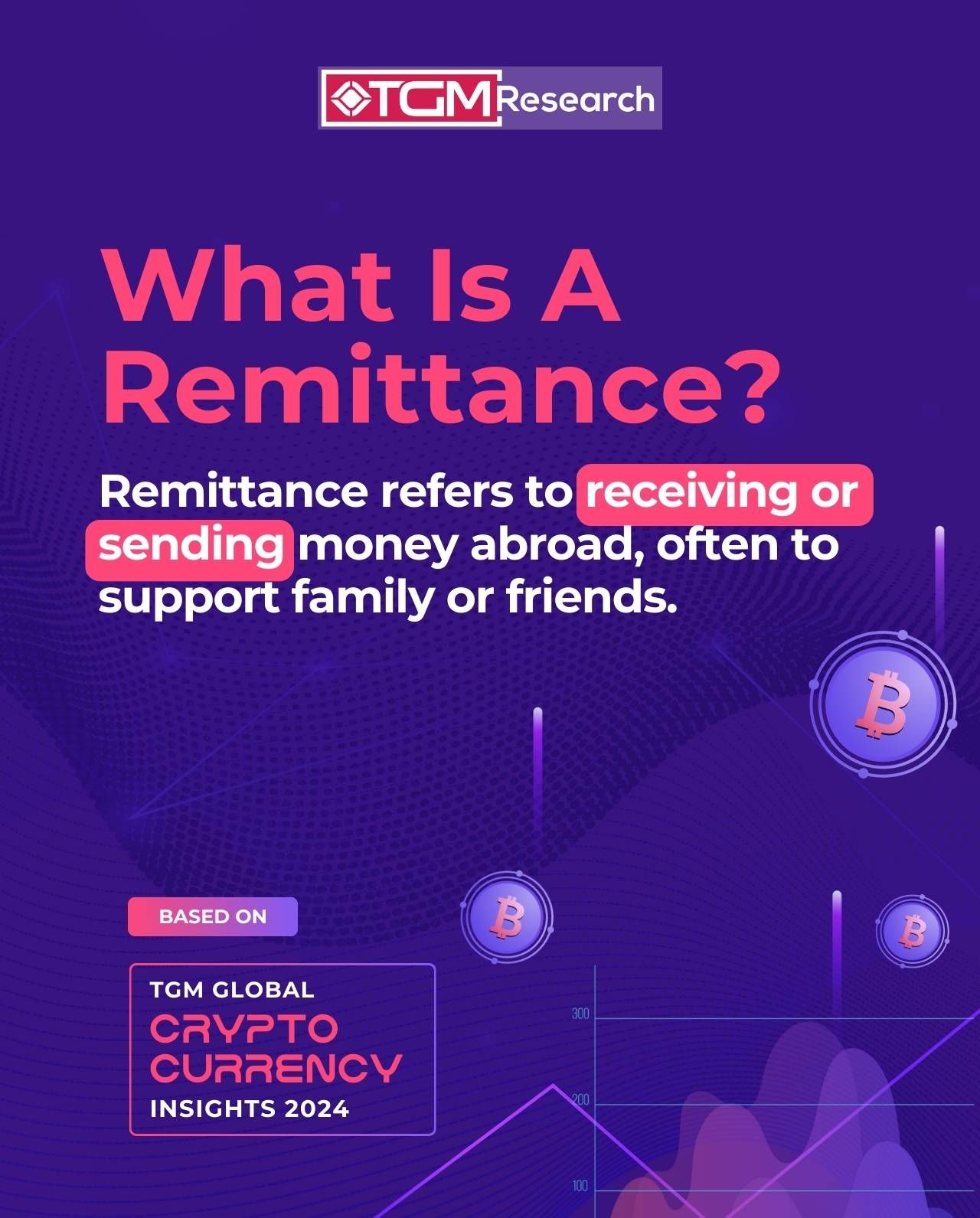
Hardware Security for Remittance Funds
For businesses and high-volume users managing remittance funds, secure storage is a non-negotiable part of the infrastructure. Hardware wallets provide an offline environment for private keys, significantly reducing the risk of online theft. When selecting hardware for remittance operations, look for devices that support multi-signature capabilities and robust firmware security. These tools ensure that the assets being moved across borders remain protected from cyber threats, adding a critical layer of trust to the remittance process.


As an Amazon Associate, we may earn from qualifying purchases.
Market dynamics and adoption
Global remittance flows continue to outpace traditional banking corridors, driven by the sheer volume of labor migration in emerging markets. The World Bank estimates that remittances to developing countries reached nearly $669 billion in 2023, a figure that dwarfs many forms of foreign direct investment. For millions of households, these cross-border transfers are not discretionary spending but essential income.
Crypto remittance infrastructure addresses two persistent pain points: cost and speed. Traditional wires often charge 6-7% in fees, whereas blockchain-based rails can deliver settlement in minutes for a fraction of that cost. This efficiency is particularly critical for corridors involving high-volume, low-value transactions common in Southeast Asia and Latin America.
Adoption is increasingly institutional. Major financial players are integrating stablecoins and digital assets to settle cross-border payments, moving beyond speculative trading to utility. This shift is reshaping the landscape, as banks and fintechs recognize that crypto infrastructure offers a more resilient alternative to legacy correspondent banking systems.
Common questions on remittance rails
Addressing specific search intent helps clarify how crypto infrastructure fits into the broader global financial landscape. Below are answers to the most frequent queries regarding top remittance corridors, XRP adoption, and cost structures.
For real-time market context, here is the current price action for XRP, the primary asset discussed in institutional cross-border payment solutions.
No comments yet. Be the first to share your thoughts!