Why stablecoins lead remittance flows
When building a global crypto remittance strategy, stability isn't just a feature—it's the requirement. While Bitcoin and Ethereum offer powerful network effects, their volatility makes them impractical for sending money to family members or paying for services. A 5% price swing in an hour can wipe out the value of a remittance, turning a helpful transfer into a financial loss. Stablecoins like USDC and USDT solve this by pegging their value to the US dollar, offering the speed and low cost of blockchain without the speculative risk.
The dominance of stablecoins in this sector is driven by their ability to function like digital cash. They move across borders in minutes rather than days, bypassing the correspondent banking system that adds layers of fees and delays. According to the Coinbase Institute, stablecoins offer a cost-effective, fast, and accessible alternative for cross-border payments, particularly in regions where traditional banking infrastructure is sparse or expensive. This efficiency is why they account for the vast majority of crypto remittance volume.
For a global crypto remittance strategy, the choice is clear: use volatile assets for investment and stablecoins for payments. This distinction allows senders to leverage blockchain technology for speed and transparency while ensuring the recipient gets exactly what was sent, dollar for dollar. This approach minimizes friction and maximizes the utility of digital assets for everyday financial needs.
Comparing remittance rails and fees
When building a global crypto remittance strategy, the primary decision is choosing between legacy banking rails and blockchain infrastructure. Traditional money transfer operators (MTOs) like Western Union or banks have dominated this space for decades, but their fee structures often obscure the true cost of moving money. In contrast, crypto rails offer a transparent, often cheaper alternative by bypassing the correspondent banking network. Understanding these differences is essential for anyone looking to optimize cross-border payments.
The Cost and Speed Gap
The most significant advantage of crypto remittances is the reduction in friction and cost. According to Stripe, global remittance costs have remained stubbornly high, averaging nearly 7% of the total amount sent, while blockchain transactions can cost a fraction of that. Traditional banks and MTOs charge a mix of fixed fees, percentage-based commissions, and unfavorable foreign exchange (FX) spreads. Crypto stablecoins, however, allow users to send value directly without intermediaries taking a cut at each step.
Speed is another differentiator. Traditional transfers can take 3-5 business days to settle, especially if they involve currency conversion or multiple correspondent banks. Crypto transactions, particularly those using stablecoins like USDC or USDT, typically settle in minutes, 24/7. This immediacy is crucial for recipients who rely on timely funds for daily expenses.
Comparison of Remittance Methods
The table below highlights the key differences between traditional banking/MTOs and crypto-based remittances. While traditional methods offer regulatory familiarity, crypto provides superior efficiency for most use cases.
| Method | Typical Cost | Speed | Accessibility |
|---|---|---|---|
| Traditional Banks | $30-$50 + FX spread | 1-5 business days | Requires bank account |
| Money Transfer Operators (MTOs) | $5-$15 + FX margin | Minutes (cash pickup) | Widely available agents |
| Crypto Stablecoins (USDC/USDT) | $0.01-$1.00 | Seconds to minutes | Requires internet & wallet |
| SWIFT Wire Transfers | $20-$50 + FX spread | 1-3 business days | Requires bank account |
Trade-offs and Considerations
While crypto rails are often cheaper and faster, they are not without trade-offs. Traditional banks and MTOs offer consumer protections, dispute resolution, and regulatory compliance that crypto currently lacks. If a transaction is sent to the wrong address in crypto, it is often irreversible. Additionally, volatility risk exists for non-stablecoin cryptocurrencies, though stablecoins mitigate this by pegging to fiat currencies.
For most high-volume or urgent transfers, the cost savings of crypto remittances are hard to ignore. However, for users who prioritize regulatory safety nets over speed, traditional rails may still be the preferred option. The choice ultimately depends on your specific needs for speed, cost, and risk tolerance.
Key infrastructure and tooling options
A global crypto remittance strategy relies on three distinct layers: the digital wallet for user access, the payment processor for fiat on/off ramps, and the liquidity provider for cross-border settlement. Each layer introduces different trade-offs in speed, cost, and regulatory exposure.
Stablecoins and Wallets
Stablecoins like USDC and USDT serve as the settlement layer, pegged to fiat currencies to minimize volatility. For a global crypto remittance strategy, these assets provide the speed of blockchain settlement without the price swings of Bitcoin or Ethereum. Users interact with custodial wallets (provided by exchanges) or non-custodial wallets (self-managed keys). Custodial solutions offer easier recovery but centralize risk, while non-custodial options give full control but require technical competence.
Payment Processors and Ramps
Payment processors bridge the gap between crypto and traditional banking. Services like Stripe or Coinbase Commerce handle fiat on-ramps (converting local currency to crypto) and off-ramps (converting crypto back to local currency for the recipient). These processors manage the complex compliance requirements, including KYC (Know Your Customer) and AML (Anti-Money Laundering) checks, which are mandatory for regulated stablecoin flows.
Liquidity Providers
Liquidity providers ensure that the sender’s currency can be instantly converted into the recipient’s currency, even if they are on different blockchains. They use decentralized exchanges (DEXs) or centralized liquidity pools to source the best exchange rates. This layer is critical for minimizing slippage and ensuring that the recipient gets the expected value.
Regulatory Compliance
Every production stablecoin remittance flow must include customer due diligence, sanctions screening, and transaction monitoring. This is not optional; it is a legal requirement in most jurisdictions. Infrastructure choices must support these checks seamlessly to avoid freezing funds or facing regulatory penalties.
Market research and regulatory risks
A global crypto remittance strategy is only as strong as its compliance infrastructure. The promise of lower fees and faster settlement is real, but it comes with a heavy regulatory burden. Every production stablecoin flow must include customer due diligence, sanctions screening, and transaction monitoring. If your strategy ignores these requirements, it isn't a strategy—it's a liability.
The regulatory landscape varies wildly by destination. Top recipient countries like India, the Philippines, and Mexico have distinct rules for virtual asset service providers (VASPs). In some jurisdictions, crypto remittances are treated as money transmission services, requiring licenses that can take years to secure. In others, the gray areas are narrower than they appear. You need to map the specific legal status of crypto assets in each corridor before committing capital.
Sanctions screening is non-negotiable. Traditional banks use sophisticated tools to block transactions to sanctioned entities. Your crypto remittance infrastructure must match this rigor. Failing to screen against OFAC lists or similar regional sanctions can result in frozen funds, heavy fines, or permanent bans from financial rails. This isn't just about avoiding trouble; it's about maintaining the trust required for large-scale adoption.
The chart above tracks the stability of USDT against the dollar, a key indicator for remittance corridors that rely on stablecoins. While stablecoins offer speed, their regulatory acceptance is the variable that determines whether they can be used for high-value transfers without triggering compliance alarms. Always verify the regulatory status of the specific stablecoin you intend to use in your target markets.
Building your remittance workflow
A global crypto remittance strategy relies on a disciplined workflow to ensure funds arrive safely and legally. The process moves from vendor selection to execution, with compliance checks acting as the guardrails for every transaction.
Start by choosing a platform that supports the specific stablecoin you intend to use. Ensure the provider is registered with relevant financial authorities and offers clear fee structures for your target corridor.
Before sending, verify the recipient’s address against global sanctions lists. Every production stablecoin remittance flow must include customer due diligence and transaction monitoring to avoid regulatory penalties.
Confirm that both the sender and receiver wallets support the same blockchain network (e.g., Polygon, Solana, or Ethereum L2). Sending on the wrong network can result in permanent loss of funds.

Broadcast the transaction and retain the hash for your records. Use a block explorer to confirm finality before notifying the recipient, ensuring the global crypto remittance strategy remains transparent and auditable.
Common questions on crypto remittances
Can the IRS see your crypto wallet?
Yes. The IRS treats cryptocurrency as property, not cash, and requires reporting on Form 8938 and Schedule D. If you use a regulated exchange like Coinbase or Binance, they file information returns (Form 1099) with the IRS, linking your identity to on-chain activity. While peer-to-peer transfers between private wallets are not directly reported, the IRS can subpoena exchange records if an audit is triggered. Always keep accurate records of cost basis and transaction dates to avoid penalties.
Is crypto the best way to send money internationally?
For most users, stablecoins like USDC or USDT offer the lowest fees and fastest settlement compared to traditional banks or Money Transfer Operators (MTOs). According to Coinbase Institute research, stablecoins can reduce remittance costs significantly by bypassing correspondent banking networks. However, "best" depends on your recipient. If your family member needs cash immediately at a local agent, traditional services may still be more practical despite higher fees. Crypto is ideal for tech-savvy users who can hold digital assets or convert them locally at favorable rates.
Who are the top 5 recipients of remittances?
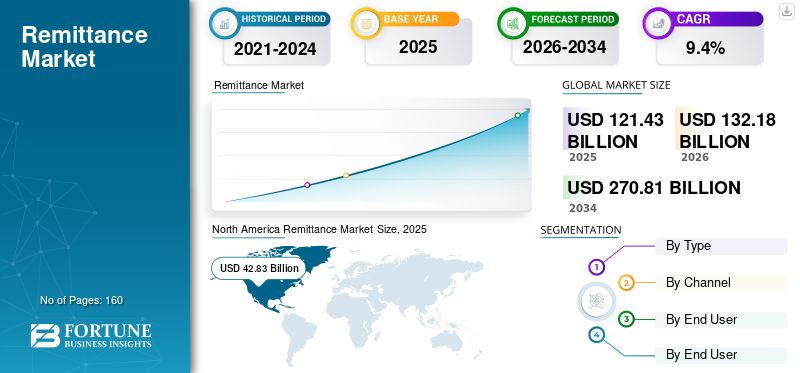
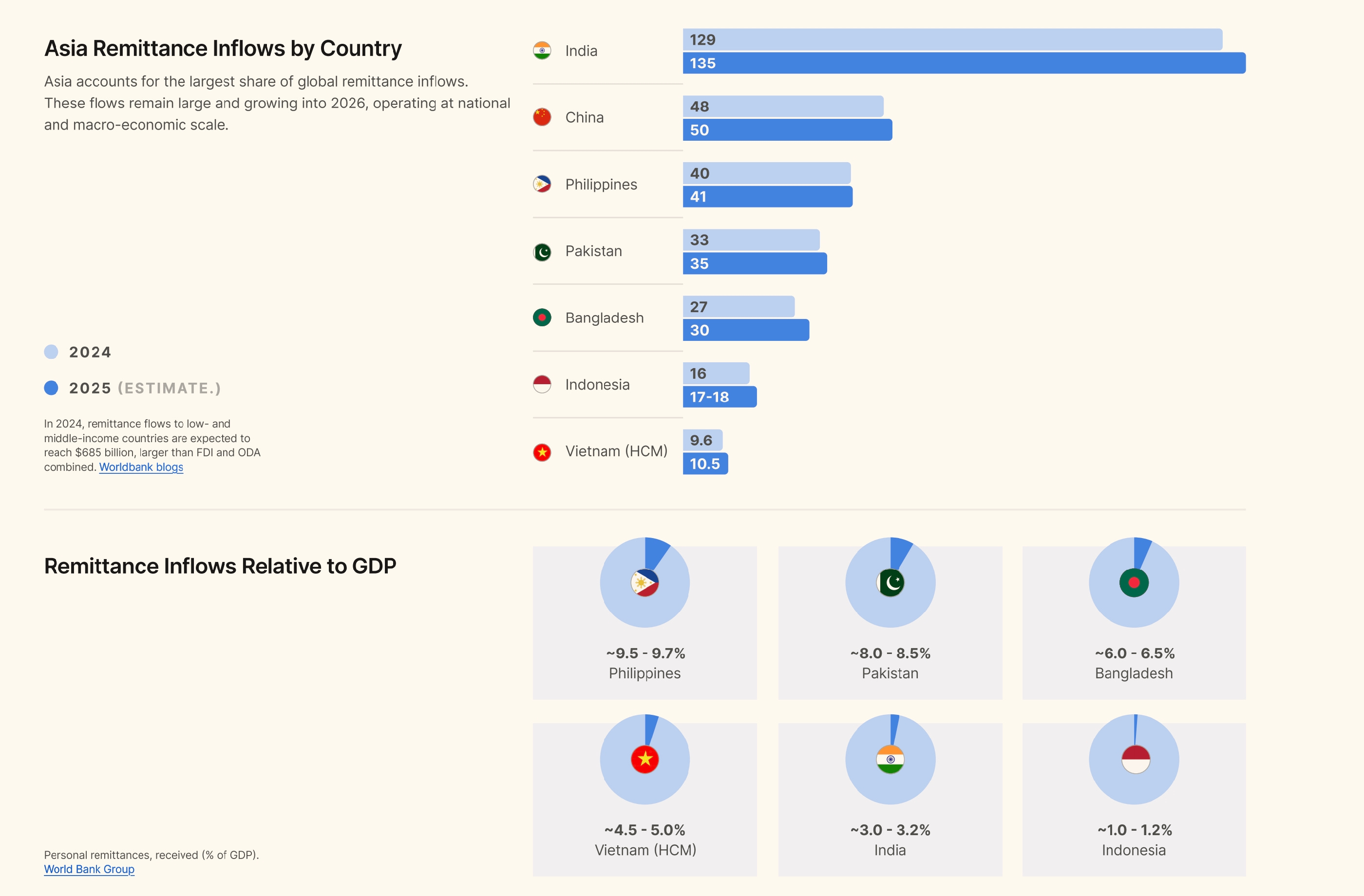
Remittance flows are heavily concentrated in a few developing economies. According to World Bank data, the top recipients are typically India, Mexico, China, the Philippines, and Egypt. These countries receive hundreds of billions of dollars annually from diaspora workers. Crypto remittance strategies often target these corridors because the volume justifies the infrastructure costs, and local conversion markets for USD or EUR are well-established.
Helpful gear
Use these product recommendations as a starting point, then choose the size, material, and price point that fit how you actually use the gear.


As an Amazon Associate, we may earn from qualifying purchases.
No comments yet. Be the first to share your thoughts!