Building a Global Crypto Remittance Strategy
A global crypto remittance strategy is less about choosing a single blockchain and more about mapping the regulatory and liquidity corridors that connect your source markets to your destinations. While the promise of lower fees and faster settlement is real, the infrastructure required to execute this reliably is fragmented. Success depends on understanding where liquidity pools are deepest, which jurisdictions have clear stablecoin frameworks, and how to handle the inevitable volatility during the settlement window.
1. Prioritize Stablecoin Liquidity Corridors
The most reliable cross-border payments rely on stablecoins, primarily USDC and USDT, rather than volatile assets like Bitcoin or Ethereum. You must select corridors where these tokens have established on-ramps and off-ramps. For example, moving funds from the US to the Philippines is efficient because of deep USDC liquidity on both the sending and receiving ends. Avoid corridors where you would need to swap through multiple illiquid pairs, as slippage can erase your margin. Check local exchange depth and peer-to-peer (P2P) volume before committing to a route.
2. Navigate Regulatory Divergence
Regulatory landscapes vary wildly, even among neighboring countries. Some jurisdictions, like Switzerland and Singapore, have clear frameworks for virtual asset service providers (VASPs), while others impose strict capital controls or outright bans. Your strategy must account for these differences by using compliant partners who hold the necessary licenses. Ignoring local AML (Anti-Money Laundering) and KYC (Know Your Customer) requirements can lead to frozen funds or legal penalties. Always verify that your payment processors are registered with local financial authorities.
3. Manage Volatility and Settlement Risk
Even with stablecoins, you face operational risks. Network congestion can delay transactions, and smart contract vulnerabilities pose a constant threat. To mitigate this, use multiple blockchain networks (e.g., Solana for speed, Ethereum L2s for security) and diversify your custodial solutions. Never hold large sums in a single wallet or on a single exchange. Implementing a multi-signature wallet or using a non-custodial solution with strong security audits can protect your capital. Regularly monitor network gas fees to choose the most cost-effective time for transfers.
4. Leverage Real-Time Settlement Data
Traditional banking systems operate on T+2 settlement cycles, but crypto offers near-instant finality. Use this advantage to improve cash flow management. By settling payments in real-time, you reduce the need for pre-funded nostro accounts and lower your working capital requirements. This efficiency allows you to offer better rates to your customers, as you are no longer bearing the cost of float time. However, ensure your accounting systems can handle the high frequency of transactions without error.
5. Monitor Network Health and Fees
Network performance is not static. Gas fees on Ethereum can spike during high-demand periods, making small transfers economically unviable. A robust strategy includes monitoring network health metrics in real-time. Use tools that track average transaction costs and confirmation times across different chains. If fees exceed a certain threshold, automatically switch to a more efficient layer-2 solution or a different blockchain entirely. This dynamic routing ensures that your remittance costs remain predictable and competitive.
Evaluating Tradeoffs in Crypto Remittance
Selecting a crypto remittance strategy requires balancing speed, cost, and regulatory exposure. No single network serves every corridor equally. A stablecoin on a low-fee L2 might outperform Bitcoin for daily transfers, while a Layer 1 chain could offer better liquidity for large volumes. The choice depends on your specific corridor, receiver preferences, and compliance capacity.
The following comparison breaks down the primary tradeoffs across four key dimensions: transaction speed, fee structure, regulatory clarity, and liquidity depth.
| Dimension | Stablecoin (L2) | Bitcoin | Ethereum L1 | XRP Ledger |
|---|---|---|---|---|
| Speed | < 1 min | 10-60 min | 1-3 min | 3-5 sec |
| Avg. Fee (USD) | $0.01 - $0.10 | $1.00 - $5.00 | $2.00 - $15.00 | $0.0002 |
| Regulatory Clarity | Medium | High | Medium | High |
| Liquidity Depth | High (USDC/USDT) | Very High | High | Medium-High |
Fee Structures and Hidden Costs
Transaction fees are only part of the cost equation. Exchange spreads, withdrawal fees, and on-ramp/off-ramp charges often exceed the network gas fee itself. For example, sending $100 via Bitcoin may incur a $2 network fee, but the exchange spread could add another $3. Stablecoins on L2s minimize network fees but still face exchange spreads during fiat conversion.
Regulatory and Compliance Risks
Regulatory clarity varies significantly by jurisdiction and asset. Bitcoin offers high decentralization but faces strict AML/KYC requirements in most major markets. Stablecoins like USDC are increasingly regulated, offering predictable compliance but centralization risks. XRP benefits from established banking partnerships but faces ongoing legal uncertainties in some regions. Always verify local regulations before deploying a remittance strategy.
Liquidity and Receiver Options
Liquidity determines how easily funds can be converted to local currency. Bitcoin and USDC have deep liquidity in most corridors, ensuring faster settlement. XRP has strong institutional liquidity but limited retail receiver options. Ethereum L1 offers high liquidity but high fees during congestion. Consider the receiver’s access to exchanges or local crypto ATMs when choosing a network.
Market Volatility and Hedging
Volatility impacts the value of remitted funds. Stablecoins eliminate price risk but carry counterparty risk. Bitcoin and Ethereum offer potential appreciation but expose receivers to market swings. For predictable remittances, stablecoins are the preferred choice. For speculative or investment-focused transfers, BTC or ETH may be suitable. Always assess the receiver’s risk tolerance before selecting an asset.
Build a practical crypto remittance framework
Moving money across borders with crypto is less about chasing the lowest fee and more about managing the specific risks of your destination corridor. A single strategy rarely works for every payment. What works for a $50 transfer to the Philippines may fail for a $5,000 payment to Nigeria due to liquidity constraints or regulatory friction.
This framework breaks the decision process into four distinct phases. Follow these steps to select the right infrastructure, tools, and market approach for your specific needs.
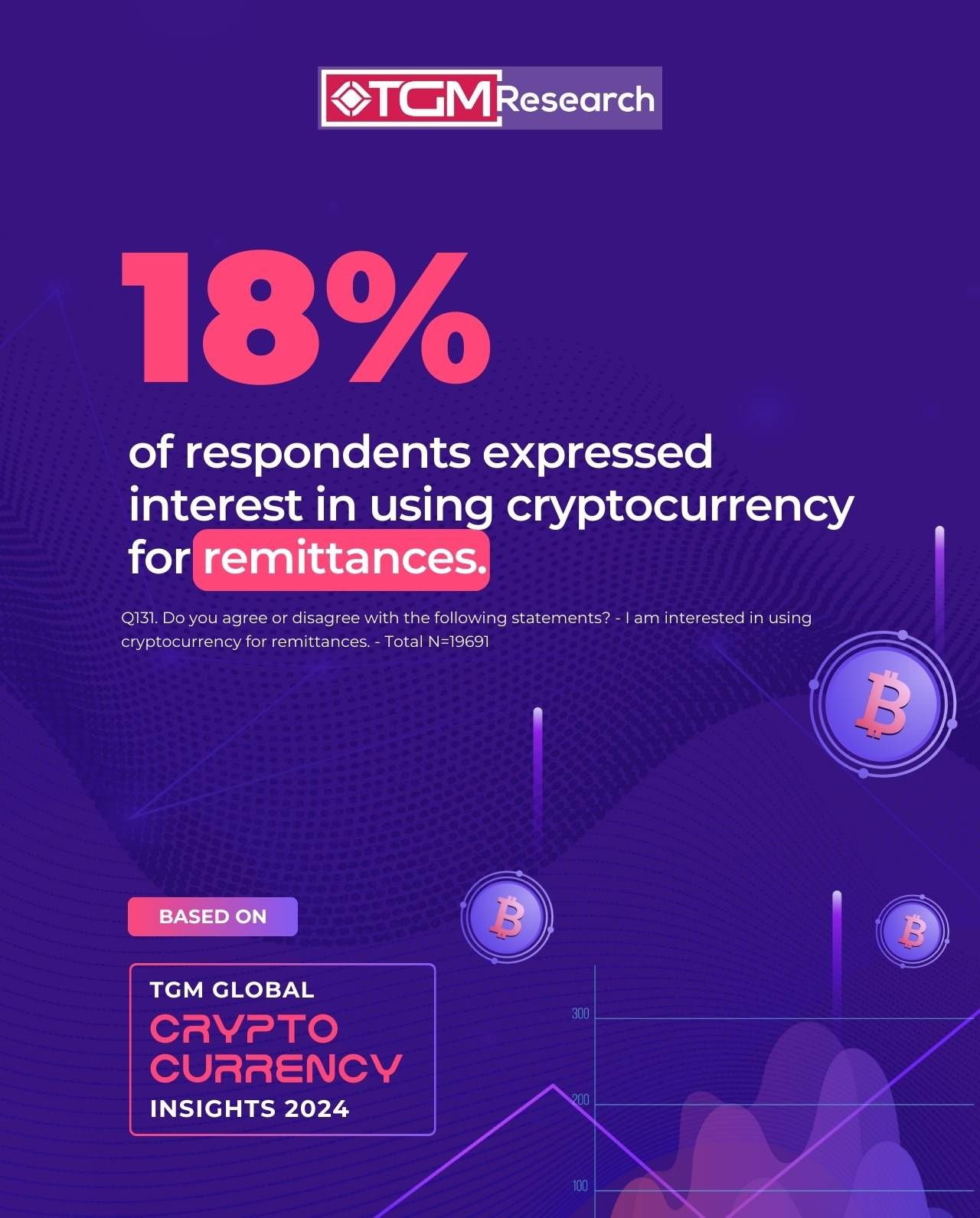
Start by identifying the specific receiving country. Liquidity varies wildly. Some corridors have deep order books on decentralized exchanges, while others rely on localized peer-to-peer (P2P) markets. Check if stablecoins like USDT or USDC have sufficient volume in local fiat pairs. If liquidity is thin, slippage will eat your margins faster than transaction fees.
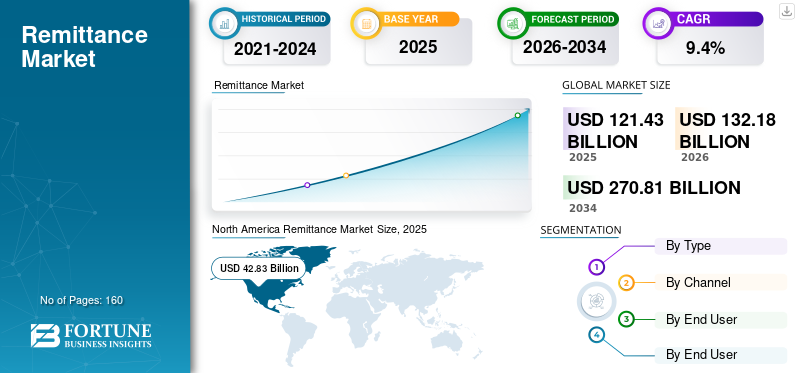
Match the asset to the speed and cost requirements. For urgent, small payments, layer-2 solutions like Arbitrum or Optimism offer near-instant finality with fractions of a cent in fees. For larger institutional transfers, Ethereum mainnet or Polygon provide deeper security guarantees. Avoid congested networks during peak hours unless the recipient needs immediate access to funds regardless of cost.
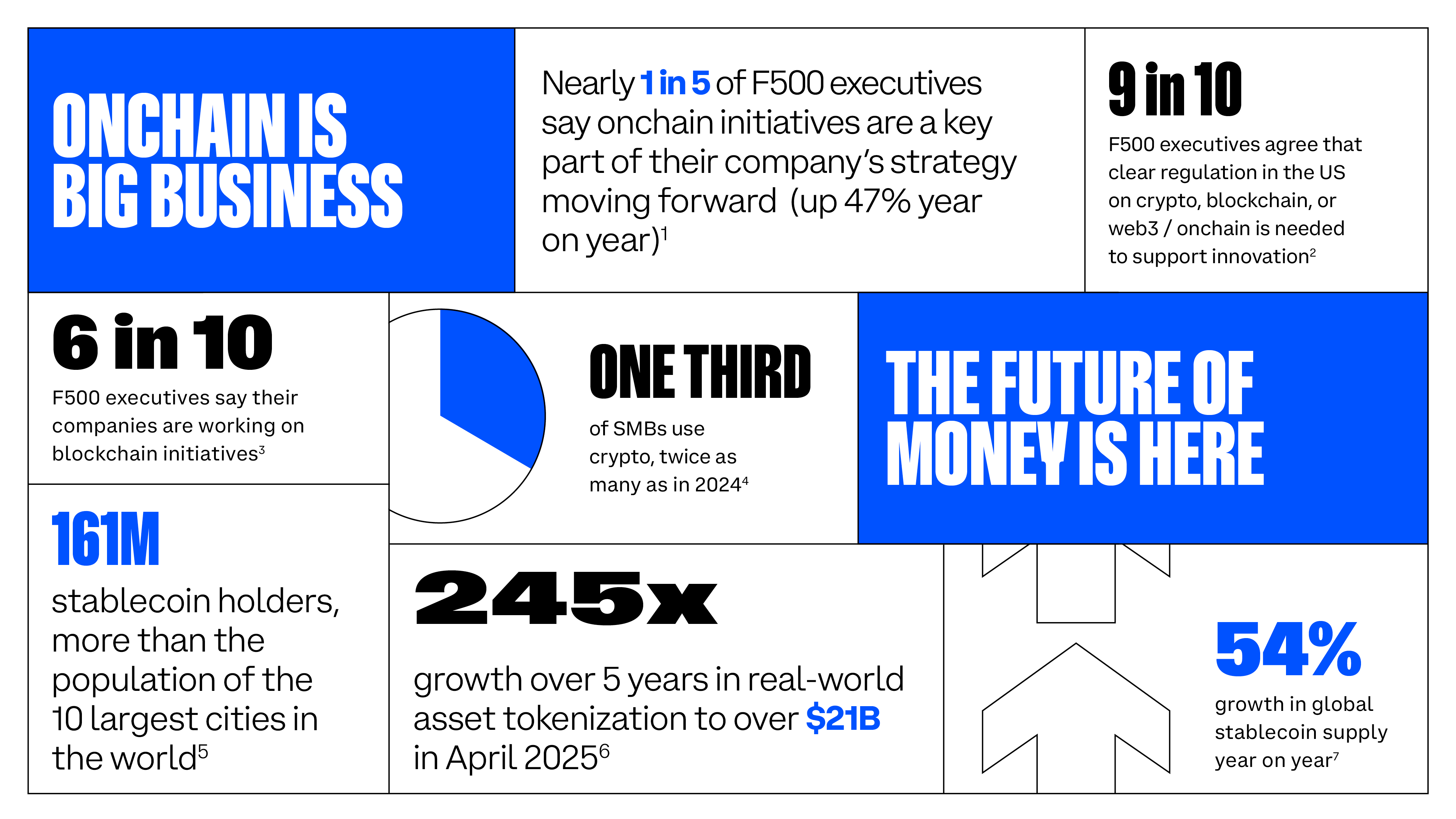
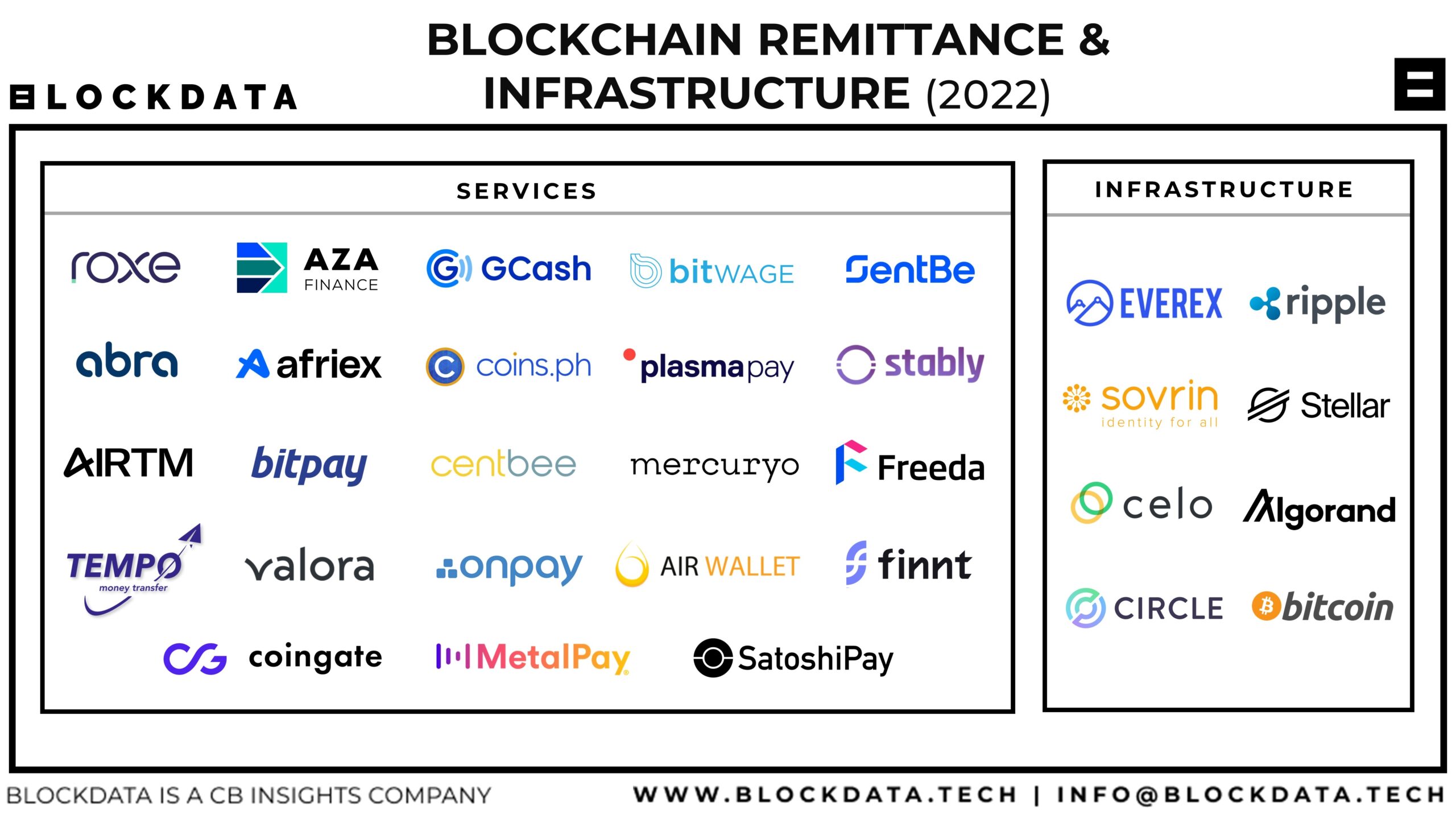
Decide between centralized exchanges (CEXs), decentralized exchanges (DEXs), or dedicated remittance rails. CEXs offer fiat on-ramps and off-ramps but require KYC and hold funds in custodial wallets. DEXs offer privacy and self-custody but require the recipient to manage crypto wallets. Dedicated rails like StableX or Bitso bridge the gap by offering crypto-speed settlement with traditional fiat interfaces.
Ensure the transaction aligns with local anti-money laundering (AML) and know-your-customer (KYC) rules in both the sending and receiving jurisdictions. Some countries ban crypto remittances outright, while others require specific licenses for service providers. Use official sources to verify current regulations. Ignoring compliance can lead to frozen funds or legal penalties for both sender and receiver.



As an Amazon Associate, we may earn from qualifying purchases.
Spotting Weak Options in Crypto Remittance
Many providers market "instant" settlement, but the underlying infrastructure often relies on centralized liquidity pools that can freeze during volatility. This creates a false sense of security for users expecting true peer-to-peer efficiency. Always verify which stablecoin is used for the conversion leg; USDT liquidity may be deep, but regulatory scrutiny is higher than for USDC or EURC.
Transaction fees are rarely flat. Check the breakdown between network gas, provider markup, and FX spread. Some services advertise low fees but apply a hidden spread of 2-3% on the exchange rate, which exceeds traditional wire transfers for smaller amounts. Look for transparent fee calculators that show the final recipient amount before confirmation.
Regulatory compliance is a major differentiator. Providers operating without proper Money Transmitter Licenses (MTL) or registration with FinCEN/FCA face shutdown risks, potentially freezing user funds. Stick to entities with clear legal entities in their target jurisdictions. Avoid platforms that obscure their corporate structure or lack audited financial reports, as these are high-stakes risks in 2026.
Global crypto remittance strategy: what to check next
Before committing to a digital asset strategy, it helps to clarify where crypto actually outperforms legacy rails and where it introduces new friction. The following answers address the most common practical objections raised by businesses and individuals moving money across borders.
Is crypto cheaper than traditional remittance services?
Yes, but only if you manage the conversion spread. Traditional services like Western Union often charge 5-10% in fees and hidden exchange rate markups. Using stablecoins (USDC or USDT) on low-fee networks like Solana or Stellar can reduce transaction costs to under $1. However, you must account for the exchange rate difference when converting fiat to crypto and back to fiat. For small transfers, the flat fee structure of crypto is almost always superior. For large volumes, the liquidity depth of major exchanges becomes the deciding factor.
How long do crypto transfers actually take?
Stablecoin transfers settle in seconds or minutes, compared to the 2-5 business days typical of SWIFT wire transfers. This speed is consistent regardless of weekends or holidays. The bottleneck is rarely the blockchain itself, but rather the on-ramp and off-ramp. If your recipient uses a centralized exchange, withdrawal limits or identity verification (KYC) checks can delay access to funds. Direct-to-wallet transfers are the fastest route, provided the recipient has a compatible digital wallet and understands how to secure their private keys.
What are the main risks of using crypto for remittances?
Volatility and regulatory uncertainty are the primary risks. If you send Bitcoin, its value could fluctuate significantly before the recipient converts it to local currency. This is why stablecoins are the preferred instrument for remittance—they peg to the US dollar, eliminating price risk. Regulatory risk is also real; some jurisdictions ban or restrict crypto transactions. Always verify the legal status of crypto usage in both the sending and receiving countries. Additionally, the irreversible nature of blockchain transactions means there is no customer support to reverse a mistaken transfer.
Do recipients need technical knowledge to receive crypto?
Not necessarily, but it depends on the infrastructure. If you send crypto directly to a personal wallet (like MetaMask or Trust Wallet), the recipient must manage private keys and gas fees. This is a high barrier for non-technical users. However, many emerging markets use mobile money integrations. Services like BVNK or Stripe allow recipients to receive crypto and instantly withdraw to their local bank account or mobile wallet. In these cases, the recipient interacts with a familiar fiat interface, while the backend handles the crypto settlement."
No comments yet. Be the first to share your thoughts!