Remittance flows hit record highs
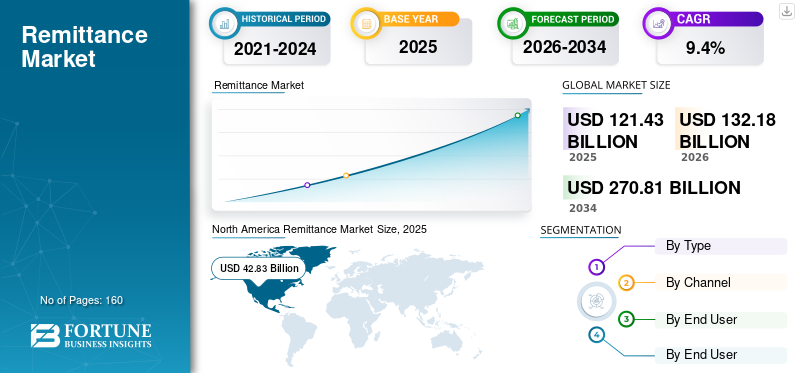
Global remittance corridors are expanding at a pace that traditional banking infrastructure struggles to match. According to the World Bank, remittance flows reached an estimated $905 billion in 2024, a 4.6% increase from the $865 billion recorded in 2023. This surge underscores the critical role these funds play in the global economy, particularly in low- and middle-income countries where they often exceed official development assistance.
The scale of this market creates a clear inefficiency: as the volume of money moving across borders grows, the friction of legacy systems becomes more expensive and slower for the end user. For migrant workers sending home a significant portion of their income, even small percentage points in fees and poor exchange rates represent a substantial loss. This gap between the demand for fast, cheap transfers and the reality of traditional wire services is where crypto remittance infrastructure aims to intervene.
In more than 60 countries, remittances account for 3% or more of the Gross Domestic Product, with fragile states often seeing even higher reliance. The urgency for cheaper alternatives is not just a consumer preference but an economic necessity. As we look toward 2026, the infrastructure supporting these flows must evolve to handle this volume without the bottlenecks that characterize the current fiat-heavy system.
Blockchain infrastructure reduces friction
Traditional remittance corridors often feel like toll roads where every intermediary extracts a fee. Blockchain infrastructure changes the geometry of these flows by replacing layers of correspondent banks with shared ledgers. This shift doesn’t just cut costs; it fundamentally alters the speed and predictability of cross-border value transfer.
Stablecoins are the critical bridge in this new architecture. Because they are pegged to fiat currencies like the US dollar, they offer the stability that crypto-native assets lack while retaining the settlement speed of blockchain networks. For a worker sending money home, this means the value they send is the value their family receives, without the erosion caused by volatile exchange rates or hidden markup fees.
The underlying layers—whether Ethereum’s Layer 2 solutions or high-throughput chains like Solana—provide the necessary throughput to handle micro-transactions and large remittances alike. Transaction fees on these networks are a fraction of what SWIFT or traditional money transfer operators charge. This efficiency is particularly vital in corridors with high volume but low average transfer amounts, where fixed fees can consume a disproportionate share of the sent funds.
However, the infrastructure is only as good as its integration points. The real friction reduction happens when these blockchain rails connect seamlessly to local fiat on-ramps and off-ramps. Without this liquidity bridge, the theoretical benefits of blockchain remittance remain inaccessible to the unbanked populations that need them most.
How stablecoins drive adoption in emerging markets
Stablecoins have moved beyond speculative trading to become the preferred infrastructure for cross-border remittances, particularly in regions where traditional banking rails are slow or prohibitively expensive. By pegging digital assets to fiat currencies like the US dollar, they offer the speed of blockchain settlement with the price stability required for household income. This combination addresses the core pain points of the informal value transfer systems that currently serve millions of unbanked and underbanked populations.
The World Bank and Georgetown Law have highlighted how stablecoins bypass the layered correspondent banking network. Instead of waiting days for funds to clear through multiple intermediaries, transactions settle on-chain in minutes for a fraction of the cost. This efficiency is not just a technical upgrade; it is a structural shift that allows migrant workers to send more of their hard-earned money directly to families.
In Latin America and the Caribbean, this shift is already visible. A briefing note from The Dialogue assesses cryptocurrency’s role in remittances to the region, noting that stablecoins are increasingly used as a primary vehicle for family support. In countries with high inflation or currency volatility, holding value in USD-pegged tokens provides a hedge against local economic instability. This practical utility drives adoption faster than any marketing campaign could.
The stability of these assets is their defining feature for remittance use cases. Unlike volatile cryptocurrencies, stablecoins maintain a predictable value, which is essential for senders and receivers who need to know exactly how much purchasing power will arrive. This reliability makes them a viable alternative to traditional money transfer operators for everyday financial needs.
Hardware wallets secure cross-border funds
When you move money across borders using cryptocurrency, the security of the asset depends entirely on how you store your private keys. Sending funds to an exchange or a third-party custodian introduces counterparty risk; if the platform fails or freezes accounts, your money is inaccessible. Hardware wallets solve this by keeping keys offline, ensuring that even if your computer is compromised, the funds remain safe.
For remittance, this security is non-negotiable. You are often dealing with large sums that represent significant portions of income in developing economies. A compromised wallet here isn't just a lost digital asset; it's a direct hit to a family's financial stability. Choosing a device with a strong reputation for open-source code and secure element chips is the first step in protecting these flows.
When selecting a device, focus on proven models that support the specific assets you intend to move, such as Bitcoin, Ethereum, or stablecoins like USDC. Below are three widely recognized options that balance security, usability, and asset support for international transfers.


As an Amazon Associate, we may earn from qualifying purchases.
Each of these devices operates on a similar principle: they sign transactions internally without exposing the private key to the internet. For remittance users, the Ledger Nano X offers the advantage of mobile connectivity via Bluetooth, allowing you to manage funds and verify transactions directly from your phone, which is often the primary device for receiving remittances in many regions. The Trezor Model T provides a tactile touchscreen experience that can be easier for users less comfortable with small button interfaces.
Ultimately, the hardware wallet is your first line of defense. Pair it with a secure environment for receiving funds and always verify the destination address on the device's screen before confirming any transaction. This simple step prevents man-in-the-middle attacks and ensures your money reaches the intended recipient without interception.
Choosing the right remittance strategy
Deciding between traditional banking rails and cryptocurrency networks comes down to prioritizing your specific corridor’s constraints. The World Bank’s Remittance Prices Worldwide database highlights that traditional corridors often average 6% in fees, whereas stablecoin transfers can drop this significantly, though volatility and on-ramp costs vary by region.
Speed is the most obvious differentiator. Bank wires may take days due to intermediary checks, while blockchain settlements often clear in minutes. However, "speed" in crypto depends on the network; Ethereum mainnet can be slower and more expensive than Layer 2 solutions or dedicated remittance chains like Stellar.
Security and compliance add another layer. Traditional banks offer FDIC-like protections and clear dispute mechanisms, which are vital for large, infrequent transfers. Crypto offers transparency and immutability but requires self-custody responsibility or reliance on regulated exchanges. For high-volume, frequent small transfers, the cost savings of crypto often outweigh the learning curve. For large, one-time sums, the regulatory safety of traditional banking may provide necessary peace of mind.
| Feature | Traditional Bank | Crypto Remittance |
|---|---|---|
| Typical Fee | 3-6% | <1% |
| Settlement Time | 1-3 days | Minutes |
| Regulatory Protection | High (FDIC/Insurance) | Low/Variable |
| Accessibility | Requires ID/Bank Account | Internet Access |
No comments yet. Be the first to share your thoughts!