Why remittance costs matter
When a migrant worker sends money home, the fee structure of traditional banking systems acts as a heavy anchor. For decades, the global average cost of sending remittances has hovered around 6.2%, according to World Bank data. This figure represents more than just a transaction fee; it is a cumulative drag on household income, eroding the value of hard-earned funds through multiple layers of correspondent banking, foreign exchange spreads, and compliance overhead.
The inefficiency is structural. Traditional cross-border payments often require three to five business days to settle, with each intermediary bank taking a cut. In contrast, crypto remittance infrastructure offers a fundamentally different cost curve. By leveraging stablecoins and blockchain networks, transfer costs can drop below 1%, and settlement times shrink from days to minutes. This disparity is not merely a convenience factor—it is a significant economic lever for families and businesses operating in high-cost corridors.
However, the shift to crypto is not without its own complexities. While the raw transfer fees are lower, the total cost of ownership includes network volatility, wallet security, and regulatory compliance. As noted in analyses from Georgetown Law, cryptocurrencies are unlikely to provide a comprehensive solution to high remittance costs solely due to financial and knowledge barriers. The strategy, therefore, is not to abandon traditional rails entirely, but to understand where crypto infrastructure provides a genuine cost advantage and where regulatory or technical friction remains too high.
Understanding this baseline is critical for building a global strategy. It moves the conversation from "crypto vs. banks" to a nuanced analysis of where each system performs best. The goal is to minimize the total cost of transfer while ensuring compliance and speed, leveraging the strengths of both worlds.
How Layer 2s and Interoperability Protocols Fix Remittance
The bottleneck for crypto remittance has never been the asset itself, but the plumbing that moves it. In 2026, the infrastructure layer has shifted from experimental networks to hardened, high-throughput environments. This shift is driven by two specific technological upgrades: the maturation of Layer 2 (L2) scaling solutions and the standardization of interoperability protocols.
Layer 2 networks, built on top of existing blockchains like Ethereum, process transactions off the main chain before settling them back. This architecture reduces gas fees to fractions of a cent and increases throughput to thousands of transactions per second. For remittance, this means a sender in New York can transfer USDC to a recipient in Manila without waiting for block confirmations or paying premiums that erase the value of small transfers. The result is a system that operates closer to real-time than traditional banking rails.
Interoperability protocols solve the fragmentation problem. Previously, moving value between different blockchains required risky bridges or multiple on-and-off ramps. New standardized protocols allow seamless communication between disparate networks, enabling stablecoins to move across chains without losing liquidity or security. This connectivity ensures that remittance providers can access the best liquidity pools regardless of the user’s local currency or preferred blockchain, reducing slippage and ensuring consistent pricing.
The contrast between legacy systems and this new infrastructure is stark. While traditional SWIFT transfers rely on a network of correspondent banks that can take days to settle, blockchain-based transfers settle in seconds or minutes, regardless of holidays or time zones. This speed and cost efficiency are not just incremental improvements; they represent a fundamental change in how global value is transferred.
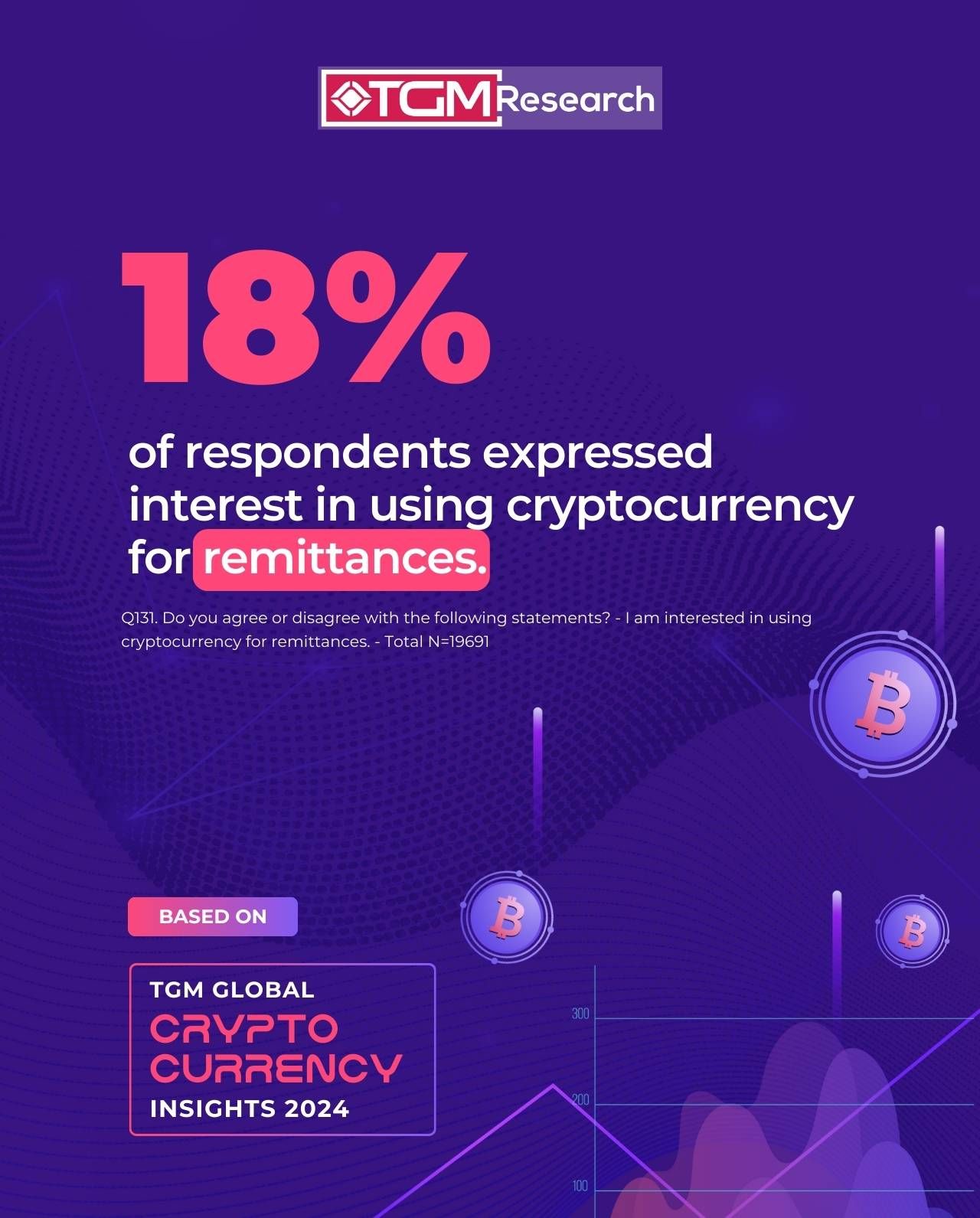
To understand the magnitude of this shift, consider the operational differences between traditional banking and stablecoin infrastructure. The following comparison highlights the structural advantages of blockchain-based remittance in a 2026 context.
| Feature | Traditional SWIFT | Stablecoin (L2) |
|---|---|---|
| Settlement Time | 1-5 Business Days | Seconds to Minutes |
| Average Cost | $15-$30 per transfer | <$0.01 per transfer |
| Availability | Business Hours Only | 24/7/365 |
| Transparency | Opaque Correspondent Fees | On-Chain Verification |
This infrastructure upgrade is the foundation for the broader adoption of stablecoins in global finance. By removing the friction of slow settlements and high fees, these technologies make crypto remittance a viable, everyday alternative to traditional banking for millions of users worldwide.
Regulatory compliance risks
Navigating the legal landscape is the single biggest hurdle for any global crypto remittance strategy. While the technology offers speed, the regulatory environment is fragmented and rapidly evolving. A strategy that ignores compliance from day one is not just risky; it is likely to fail before it scales.
At the core of this challenge is the tension between the borderless nature of digital assets and the territorial nature of financial law. Cryptocurrencies are unlikely to provide a comprehensive solution to high remittance costs if they cannot plan around the complex web of Anti-Money Laundering (AML) and Know Your Customer (KYC) requirements. Financial institutions and fintech providers must integrate robust compliance frameworks that satisfy regulators in every jurisdiction they operate in.
The cost of non-compliance is steep. Regulatory fines can cripple a business, and loss of license is often fatal. Also, the "knowledge-based" barriers mentioned by legal experts at Georgetown Law highlight that compliance isn't just about technology—it's about understanding local legal nuances. A one-size-fits-all approach rarely works when dealing with diverse regulatory bodies from the EU to Southeast Asia.
To mitigate these risks, your strategy must prioritize regulatory clarity. This means engaging with legal counsel early and designing systems that can adapt to changing rules. It also means being transparent with users about the compliance steps required, which can sometimes slow down the "instant" experience crypto promises. Balancing speed with security is not just a technical challenge; it is a legal imperative.
Understanding these risks allows you to build a more resilient infrastructure. By treating compliance as a feature rather than a burden, you can differentiate your service in a market where trust is the most valuable currency.
Market performance trends
The stability of the crypto remittance market relies heavily on the predictable behavior of stablecoins, which serve as the primary bridge for cross-border value transfer. When analyzing market performance, the focus is less on speculative volatility and more on the liquidity and peg integrity of assets like USDT and USDC. These assets must maintain a tight correlation with the US dollar to function effectively as a remittance corridor currency, ensuring that the value sent is the value received.
This stability is critical for high-volume corridors where margins are thin. A deviation in the stablecoin peg can instantly erode the cost advantage over traditional banking rails. The chart above illustrates the recent trading volume and price action for USDT against the US dollar, highlighting the consistent liquidity that supports large-scale remittance operations. This level of market depth allows for instant settlement without significant slippage, a feature that traditional wire transfers often lack.
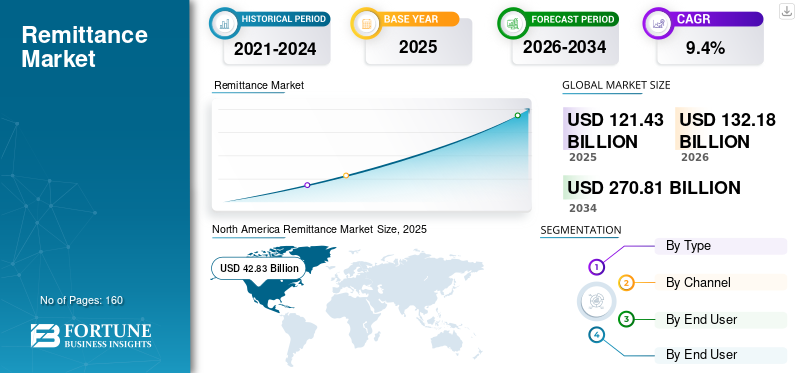
Beyond individual asset performance, the broader market trends indicate a shift toward institutional-grade infrastructure. As regulatory frameworks mature, the integration of crypto rails with traditional financial systems is accelerating. This convergence is driven by the need for transparency and auditability, which are increasingly mandated by global financial authorities. The market is no longer just about speed; it is about building a compliant, reliable, and cost-effective alternative to legacy banking networks.
Steps to implement your strategy
Deploying a crypto remittance strategy requires aligning technology with strict compliance standards. You are not just moving money; you are navigating a global regulatory web. Start by defining your target corridors and ensuring your chosen stablecoin or asset has the liquidity to move value instantly without slippage.
Choose a provider that offers built-in compliance tools. Look for platforms that support automated KYC/AML checks and real-time transaction monitoring. This reduces your operational burden and ensures you meet local regulatory requirements from day one.
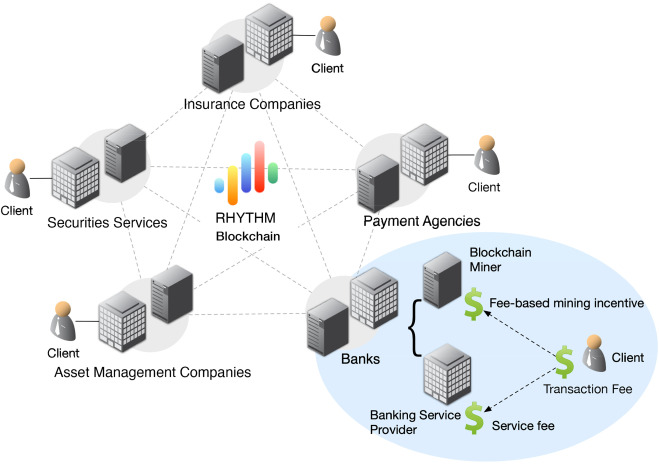
Connect your existing payment systems to the crypto rails. This involves setting up secure hot and cold wallets for treasury management and integrating APIs for seamless fiat-to-crypto conversions. Ensure your tech stack can handle high-volume transactions during peak remittance periods.
Secure reliable on-ramps and off-ramps in your target corridors. Partner with local payment processors or exchanges that offer competitive FX rates. This ensures your recipients can convert crypto to local currency quickly and cheaply, which is critical for user adoption.

Run comprehensive simulations before going live. Test transactions across different networks and corridors to identify latency or fee issues. Verify that your compliance filters trigger correctly for suspicious activities. This step prevents costly errors and reputational damage.
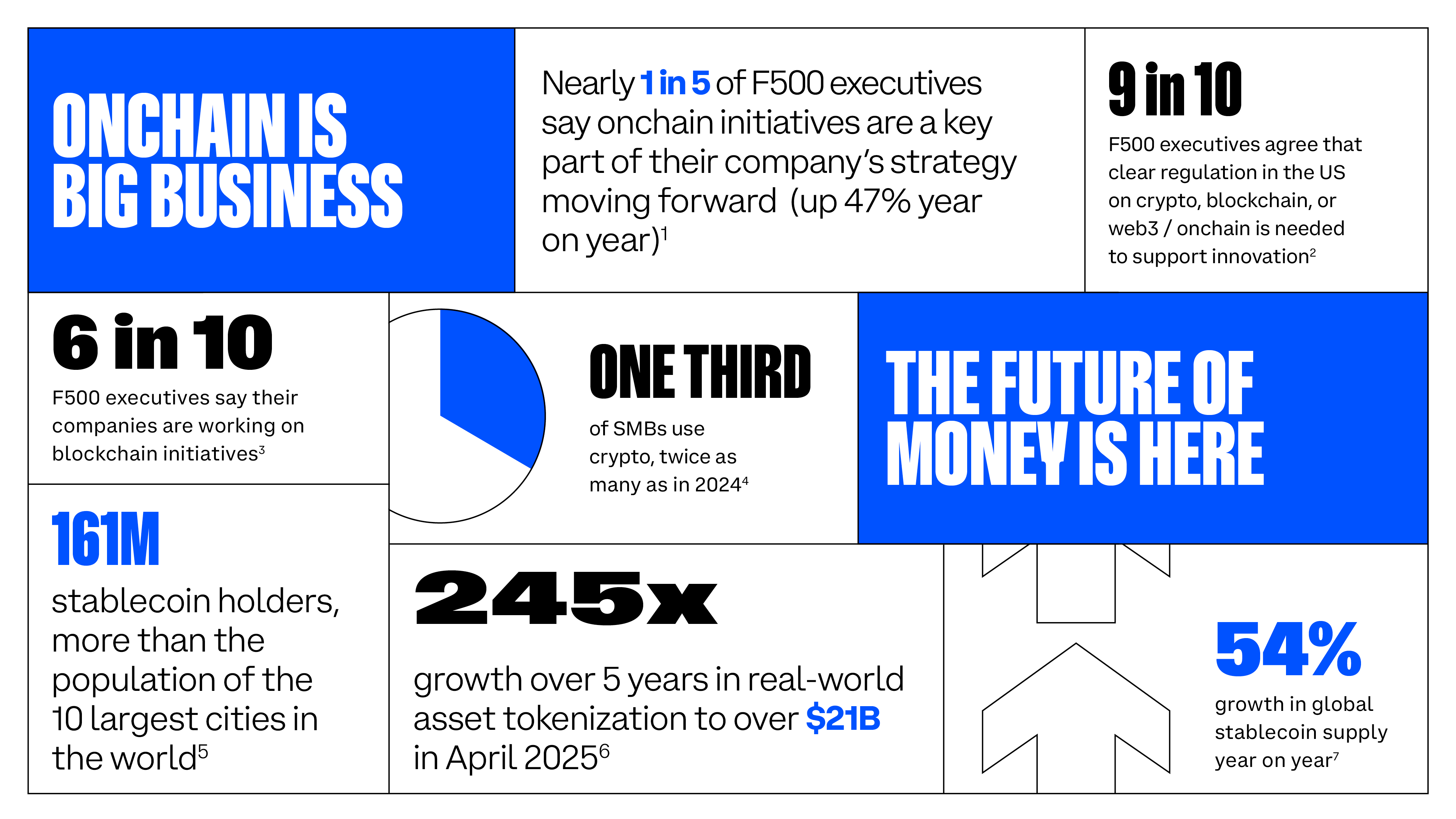
Continuously track transaction success rates, fees, and settlement times. Use data to refine your liquidity pools and negotiate better rates with partners. Stay updated on regulatory changes in your operating regions to adjust your strategy proactively.
Stablecoins like USDT provide the stability needed for remittances, minimizing the risk of volatility during transfers. This chart shows the stability of USDT against the US dollar, a key metric for any remittance strategy relying on predictable value.
Common remittance: what to check next
Understanding the mechanics and compliance landscape is essential before moving funds internationally. Below are the most frequent inquiries regarding crypto remittance infrastructure and costs.
For real-time market context, you can monitor the current performance of major assets used in cross-border payments.
No comments yet. Be the first to share your thoughts!