Why remittance infrastructure matters now
The global remittance market has grown into a multi-trillion-dollar artery for the world economy, yet the pipes carrying that money are showing their age. According to the OECD, the global average cost of sending a $200 transfer still hovers around 6.9%, a figure that has remained stubbornly high for years despite digital advancements. For migrant workers sending home life-changing sums, these fees are not just an inconvenience; they are a significant drain on household income.
Legacy banking infrastructure was built for stability, not speed. Traditional correspondent banking networks often require multiple intermediaries, each taking a cut and adding days to the settlement process. This friction creates a gap that crypto infrastructure is uniquely positioned to fill. By bypassing these traditional rails, digital assets can offer near-instant settlement at a fraction of the cost, particularly for corridors where traditional banks charge premium rates for small-value transfers.
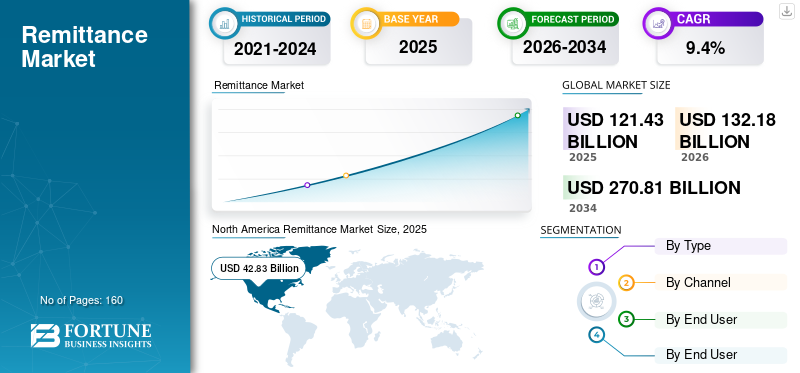
The scale of this opportunity is vast. Global remittances now exceed $800 billion annually, with emerging markets relying on these flows for a significant portion of their GDP. As regulatory frameworks mature in 2026, the distinction between "high-risk" crypto transactions and legitimate financial infrastructure is becoming clearer. This section outlines why understanding the mechanics of crypto remittances is no longer optional for anyone managing cross-border capital.
Selecting the right blockchain rails
Choosing between Layer 1 (L1) and Layer 2 (L2) networks is not just a technical decision; it is a strategic one that dictates your remittance margins and user trust. In 2026, the market is shifting toward solutions that offer near-instant finality without sacrificing the decentralization that makes crypto viable for cross-border transfers. The choice hinges on three metrics: transaction fees, settlement speed, and liquidity depth.
Layer 1 networks like Ethereum or Solana serve as the base settlement layer. They offer maximum security and deep liquidity, which is critical for moving large volumes. However, their raw transaction costs can be prohibitive for small-value remittances. Layer 2 solutions, such as Optimistic Rollups or ZK-Rollups, settle transactions off-chain and post proofs to the L1, drastically reducing fees while inheriting the underlying chain's security. For most remittance corridors, L2s provide the optimal balance of cost and speed, though high-value institutional transfers may still prefer direct L1 settlement for simplicity and auditability.
The table below compares the typical performance characteristics of major L1 and L2 options. Note that fees and speeds are dynamic; they fluctuate based on network congestion and gas prices. Always check real-time data before executing large transfers.
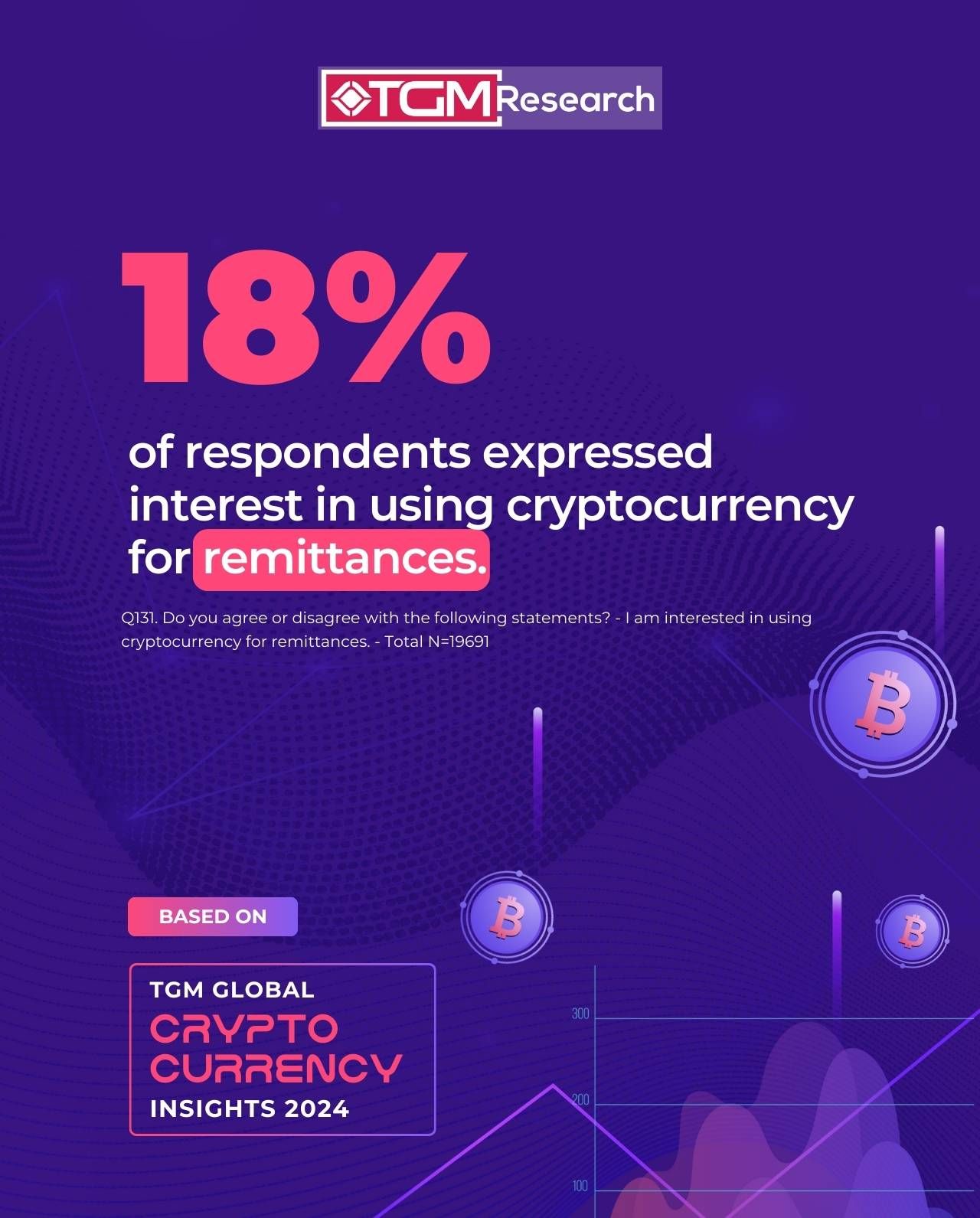
Liquidity depth is often overlooked but is critical for avoiding slippage. If your remittance corridor relies on a niche L2 with thin order books, you may face significant price impact when converting fiat to stablecoins. Ethereum L1 and major L2s like Arbitrum and Base currently offer the deepest pools for USDT and USDC, ensuring that your remittance amounts do not fluctuate wildly during the settlement window.
Navigating regulatory compliance frameworks
Building a global remittance strategy means treating compliance not as a hurdle, but as the infrastructure itself. In 2026, the era of "move fast and break things" is over in crypto payments. Regulators have closed the loopholes, and the cost of non-compliance now far outweighs the speed of early adoption. You need to understand the three pillars of legal crypto transfers: the FATF Travel Rule, robust KYC/AML protocols, and the fragmented landscape of jurisdiction-specific licensing.
The FATF Travel Rule
The Financial Action Task Force (FATF) Travel Rule is the single most significant regulatory development for crypto remittances. It requires Virtual Asset Service Providers (VASPs) to share specific originator and beneficiary information for transactions exceeding a certain threshold. While the threshold varies by jurisdiction (often $1,000 or €1,000), the expectation is universal: if you send crypto across borders, you must send the data with it.
For your strategy, this means you cannot rely on anonymous wallets or non-custodial solutions for high-volume remittances. You must integrate with VASPs that support the SWIFT-like messaging standards (such as the Travel Rule Information Exchange protocol) or use specialized compliance middleware. If your partner doesn't have a way to securely transmit customer data between institutions, you are already non-compliant.
KYC/AML Protocols
Know Your Customer (KYC) and Anti-Money Laundering (AML) protocols are the bedrock of operational legitimacy. This goes beyond a simple identity check. You need continuous transaction monitoring to detect suspicious patterns, such as structuring (breaking large transfers into smaller ones to avoid reporting thresholds) or interactions with sanctioned addresses.
Implementing a tiered KYC approach can balance user friction with security. Low-value transfers might require minimal verification, while higher-value remittances demand full identity proofing and source-of-funds documentation. Ensure your compliance stack can flag transactions in real-time and integrate with global sanction lists, including OFAC, EU, and UN lists. Failure to do so can result in frozen funds and severe legal penalties.
Jurisdiction-Specific Licensing
There is no single "global" license for crypto remittances. You must handle the specific regulatory requirements of every jurisdiction where you originate or receive funds. This includes obtaining Money Transmitter Licenses (MTLs) in US states, VASP registration with the Financial Services Commission in Singapore, or adherence to the EU's Markets in Crypto-Assets (MiCA) regulation.
MiCA, for instance, introduces strict capital requirements and operational standards for crypto-asset service providers operating within the European Economic Area. If you plan to serve European users, you must comply with these rules regardless of where your company is headquartered. Similarly, operating in Asia requires handling a patchwork of restrictions, from outright bans in some countries to rigorous licensing in others like Japan and South Korea. Your legal team must map out the exact licensing requirements for each corridor you intend to support before launching.
Integrating fiat on-ramps and off-ramps
Reliable fiat gateways are the bridge between crypto’s speed and the everyday reality of bank transfers. For remittance corridors like the US to Philippines or UAE to India, the friction point isn’t the blockchain; it’s the liquidity provider’s ability to settle local currency quickly and cheaply. Without robust on-ramps and off-ramps, the theoretical advantages of crypto remain locked behind banking delays.
The market is shifting toward providers that offer direct liquidity pools rather than relying on third-party banking partners. This structure reduces the number of intermediaries, which directly lowers fees and accelerates settlement times. Providers like BVNK and others are competing on transparency and speed, aiming to match the near-instant nature of the underlying blockchain with equally fast fiat settlements.
| Provider | Fee Structure | Settlement Time | Supported Currencies |
|---|---|---|---|
| BVNK | Transparent, tiered fees | Minutes to hours | 100+ fiat currencies |
| Stripe Crypto | Standard processing fees | 1-2 business days | Major USD, EUR, GBP |
| MoonPay | Variable based on method | Hours to days | 140+ fiat currencies |
Settlement speed varies significantly depending on the corridor and the provider’s local banking relationships. In high-volume corridors, providers with direct local banking partnerships can settle in minutes, while others may take 24-48 hours due to intermediary bank checks. For remittance users, this difference is the gap between a same-day payment and a delayed one.
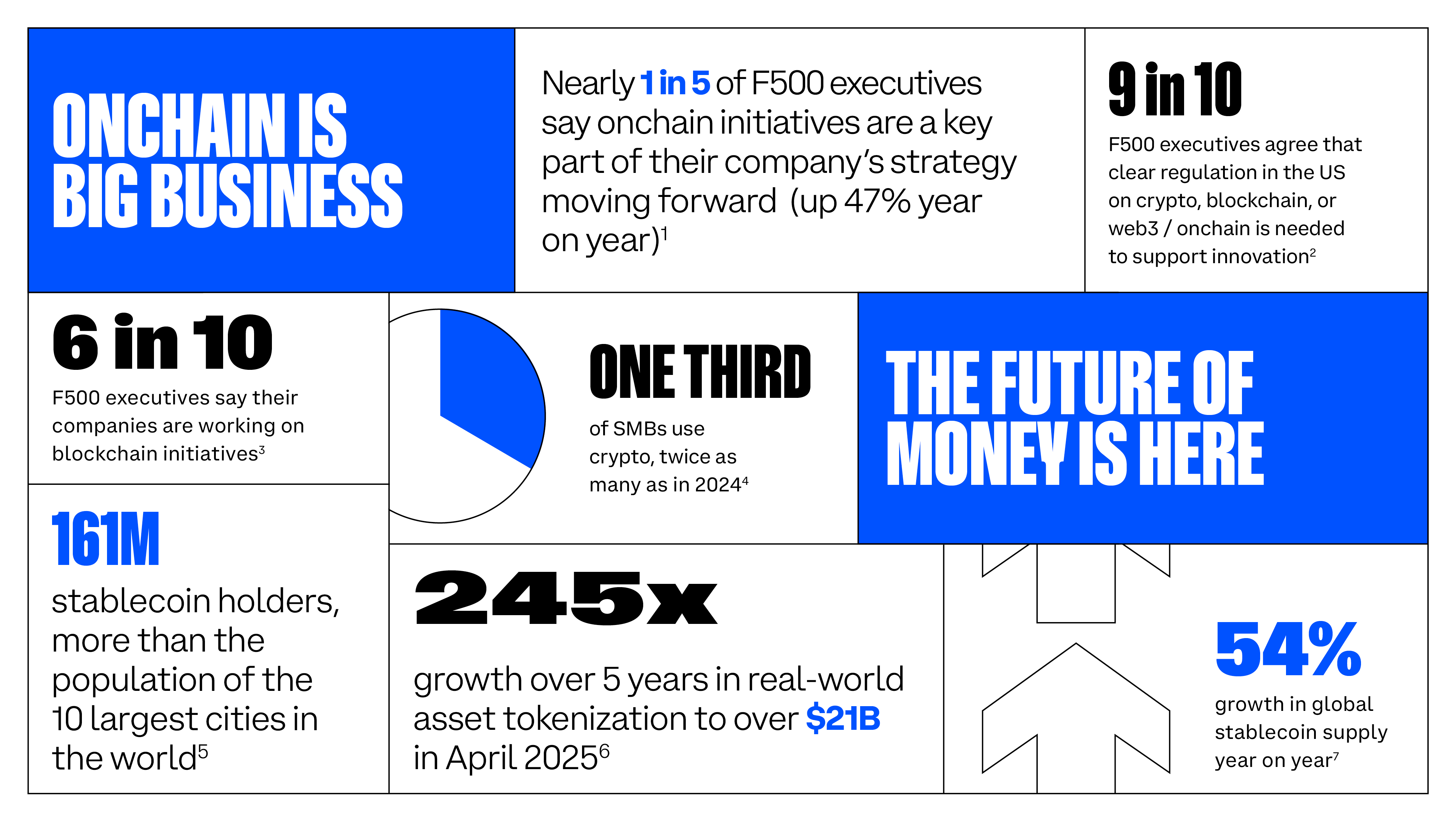
Choosing the right gateway requires evaluating not just the headline fee, but the total cost of failure. High fees are manageable; failed transactions due to compliance flags or banking delays are not. Providers that offer clear status updates and local support during off-hours provide a more reliable experience for senders and receivers alike.
Managing Currency Risk in Volatile Markets
Crypto remittances move fast, but the value of the underlying asset can swing just as quickly. Without a risk management framework, the savings from lower fees can vanish in minutes due to market volatility. The goal is to protect the sender’s purchasing power and ensure the receiver gets the expected local currency value.
Stablecoins as a Volatility Hedge
The most straightforward way to mitigate currency risk is using stablecoins pegged to major fiat currencies. Assets like USDT and USDC maintain a 1:1 value with the US dollar, effectively removing exchange rate fluctuations during the transfer window. This stability is critical for high-volume remittance corridors where small percentage swings can significantly impact household budgets.
To verify the stability of these assets, operators should monitor real-time market data. A stablecoin’s peg should hold firm even during broader crypto market downturns. If the peg breaks, liquidity dries up, and the remittance value is exposed to sudden devaluation.
Hedging Strategies for Larger Volumes
For larger remittance volumes or corridors involving non-USD stablecoins, simple holding isn’t enough. Operators often use hedging strategies similar to traditional foreign exchange markets. This involves locking in exchange rates or using derivatives to offset potential losses from currency depreciation.
The OECD has noted that high transaction costs often limit the potential of blockchain remittances, but volatility risk is an even greater barrier to adoption. By implementing automated hedging protocols, remittance providers can offer fixed-rate transfers, giving users certainty in an unpredictable market. This infrastructure transforms crypto from a speculative asset into a reliable utility for global money movement.
Common Pitfalls in Cross-Border Crypto Transfers
Even with a solid strategy, execution errors can drain funds or delay settlements. The most frequent issues stem from technical mismatches, fee miscalculations, and regulatory blind spots. Addressing these specific failure points ensures your remittance infrastructure remains reliable and compliant.
Network Mismatch
Sending assets on the wrong chain is the fastest way to lose funds. A transaction intended for the ERC-20 network will fail or vanish if sent via TRC-20, and vice versa. Always verify the destination wallet’s supported protocol before initiating a transfer. Use block explorers to confirm the network address format matches the asset’s standard. This simple check prevents irreversible losses and avoids the need for complex recovery procedures.
Gas Fee Miscalculation
Underestimating network congestion leads to stuck transactions or failed deliveries. During peak hours, gas fees on Ethereum or Solana can spike dramatically, leaving your transfer pending indefinitely. Monitor real-time network conditions using provider-backed widgets to gauge current load. For urgent transfers, consider using Layer-2 solutions or alternative chains with lower base fees. Always budget for a buffer above the estimated gas cost to account for sudden volatility.
Regulatory Non-Compliance
Ignoring jurisdictional rules can result in frozen assets or legal penalties. Different countries have varying definitions of crypto assets and reporting requirements for cross-border transfers. Ensure your remittance partners adhere to local Anti-Money Laundering (AML) and Know Your Customer (KYC) standards. Consult official regulatory guidelines from bodies like the FATF or local financial authorities to stay compliant. Failure to do so can disrupt your entire remittance strategy.
No comments yet. Be the first to share your thoughts!