
Defining modern remittance infrastructure
Global remittance infrastructure is no longer just about moving money across borders; it is a hybrid system. Today’s rails combine traditional financial networks—banks, money transfer operators (MTOs), and FX engines—with a new wave of blockchain-native protocols. This convergence creates a landscape where legacy security meets digital speed.
The traditional backbone remains SWIFT. It is the most widely adopted and trusted remittance infrastructure, valued for its established security and regulatory compliance. For high-stakes financial decisions, the reliability of these legacy rails is unmatched, even if they lag in speed and cost efficiency.
In contrast, emerging blockchain-native protocols offer a different value proposition. Crypto remittance involves transferring digital assets from a sender’s wallet to a recipient’s, often completing the process within minutes. This shift represents a fundamental change in how value moves globally, challenging the monopoly of traditional banking hours and intermediaries.
Stablecoin rails and settlement layers
Stablecoins have become the primary vehicle for crypto remittances, effectively bridging the gap between traditional fiat currencies and blockchain efficiency. By pegging digital tokens to stable assets like the US dollar, platforms can offer near-instant settlement times while minimizing the volatility risk that typically plagues other cryptocurrencies. This stability is what has allowed major banks and fintech players to adopt these rails for cross-border payments, significantly lowering costs compared to legacy systems.
The technical backbone of this infrastructure relies on high-throughput blockchains capable of handling micro-transactions at negligible fees. Networks like Polygon and Solana are frequently chosen for these operations because they can process thousands of transactions per second with costs often below a fraction of a cent. This makes them ideal for remittances where small margins matter, allowing providers to offer competitive exchange rates without charging exorbitant transfer fees.
To understand the current market dynamics, it is useful to look at the performance of the dominant stablecoins. The following widget displays the live price of USDT (Tether) against the US dollar, demonstrating the tight peg that underpins these settlement layers.
While the price peg remains stable, the underlying blockchain networks continue to evolve to support higher volumes. Providers are increasingly building on these robust layers to ensure that remittance corridors remain open and efficient, regardless of global market fluctuations. The focus is shifting from simple asset transfer to building comprehensive infrastructure that integrates seamlessly with existing financial systems.
Market research and cost dynamics
The traditional cross-border payment corridor is defined by friction. Money moves through a chain of correspondent banks, each taking a cut and adding processing time. The World Bank notes that these intermediaries often struggle with inefficiencies that keep transaction costs high, particularly for smaller transfers where fees can eat up a significant percentage of the principal.
Crypto infrastructure disrupts this model by removing the intermediary layer. Instead of routing funds through multiple financial institutions, crypto remittances operate on a decentralized ledger. As noted by industry analyses, the sender transfers digital assets directly to the recipient’s wallet. This process is often completed within minutes, regardless of the distance between the two parties.
To understand the scale of this shift, it helps to look at the data. Below is a comparison of traditional remittance providers versus crypto infrastructure across key metrics.
| Metric | Traditional Banks | Crypto Infrastructure |
|---|---|---|
| Speed | 1-5 business days | Minutes to hours |
| Average Cost | 6-7% of transfer value | 0.1-1% network fees |
| Availability | Banking hours only | 24/7/365 |
| Accessibility | Requires bank account | Requires internet connection |
The cost differential is stark. While traditional providers charge an average of 6-7% per transaction, crypto network fees typically hover between 0.1% and 1%. This makes crypto particularly attractive for high-volume or low-value transfers where fixed fees would otherwise be prohibitive. However, it is important to note that crypto volatility can introduce risk if assets are not converted to stablecoins or local fiat quickly.
Practical tools for cross-border transfers
Building a crypto remittance infrastructure requires more than just a wallet; it demands robust APIs that handle compliance, liquidity, and user experience simultaneously. For businesses, the goal is to move money instantly while staying within regulatory boundaries. The following tools and platforms provide the necessary infrastructure to launch these flows without building everything from scratch.
Compliant remittance APIs
Platforms like Crossmint offer specialized APIs designed specifically for stablecoin remittances. These services provide the licensing frameworks and programmable interfaces needed to build modern remittance flows that are both instant and compliant. Instead of navigating complex banking corridors, developers can integrate these APIs to handle the heavy lifting of regulatory checks and settlement. This approach allows financial institutions and fintechs to launch cross-border payment products in days rather than months.
Stablecoin infrastructure for global transfers
For individuals and smaller businesses, infrastructure providers like Blockradar simplify the process of sending and receiving money internationally using stablecoins. These platforms ensure that transfers are faster and cheaper than traditional wire services by bypassing intermediary banks. The technology abstracts away the complexity of blockchain interactions, allowing users to send USDC or USDT with the ease of a standard email, while the backend handles the conversion and delivery to the recipient’s local currency or wallet.
Security and storage essentials
Secure storage is the foundation of any crypto remittance strategy. Whether you are a business holding operational funds or an individual managing personal transfers, hardware wallets provide an essential layer of security. These devices keep private keys offline, protecting your assets from online threats and unauthorized access. When implementing remittance tools, ensure that your custody solution integrates seamlessly with your API infrastructure to maintain both security and operational efficiency.



As an Amazon Associate, we may earn from qualifying purchases.
What is crypto remittance?
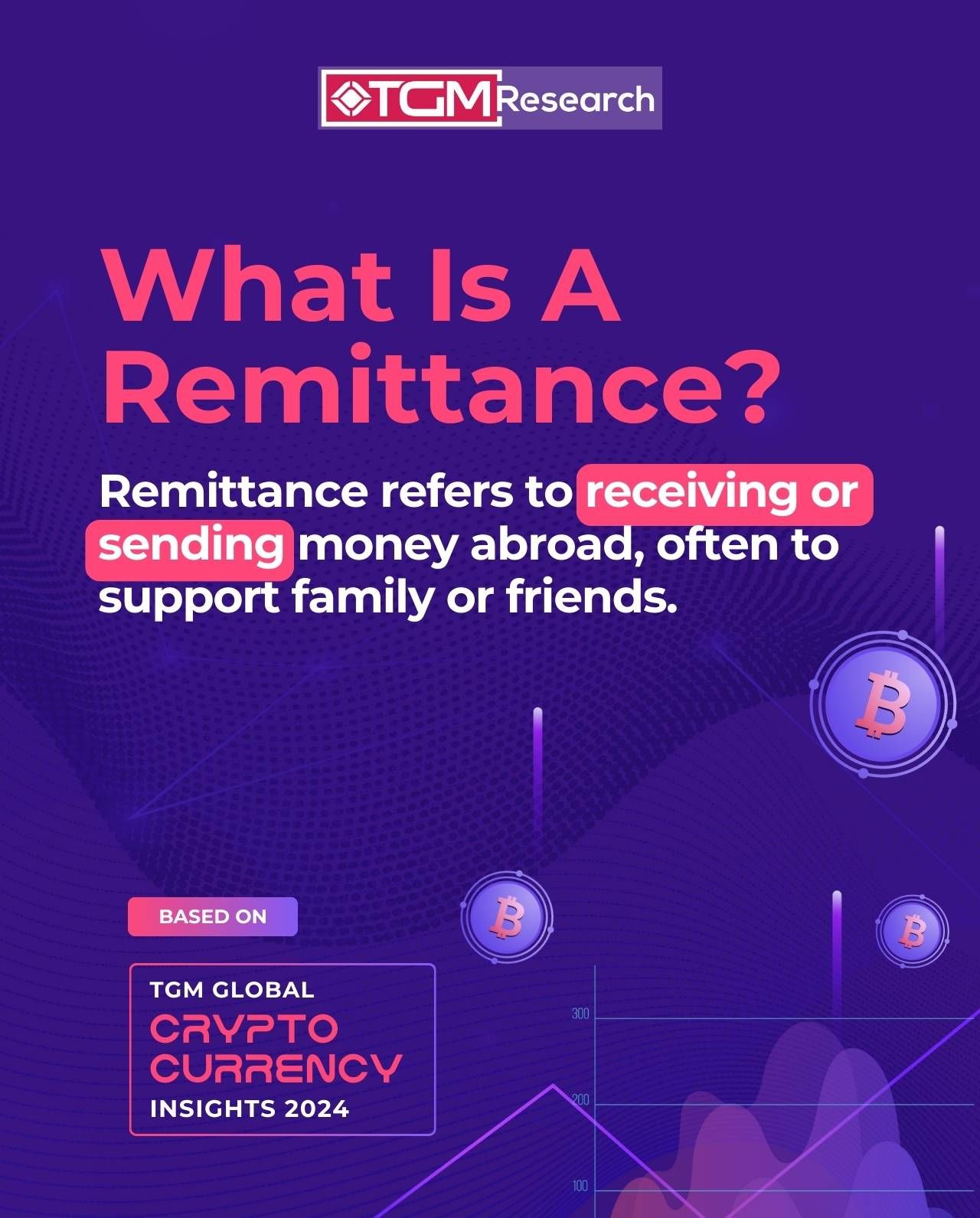
Crypto remittance is the process of sending money across borders using digital assets rather than traditional banking channels. In practice, a sender transfers digital assets from their wallet or payment platform to the recipient's wallet, a process that is often completed within minutes. This method bypasses the slow, expensive intermediaries that characterize conventional wire transfers, offering a faster and often cheaper alternative for global payments.
The infrastructure relies on blockchain networks to record transactions transparently and securely. While early iterations used volatile cryptocurrencies like Bitcoin, modern remittance solutions predominantly utilize stablecoins pegged to fiat currencies to mitigate price fluctuation risks. This shift has made crypto remittance a viable tool for both individual users and businesses seeking efficient cross-border settlement.
No comments yet. Be the first to share your thoughts!