Why stablecoins dominate cross-border flows
Traditional fiat rails—like SWIFT—operate on a legacy infrastructure that moves money through a chain of correspondent banks. Each intermediary takes a cut, adding fees and delays that make small, frequent transfers economically unviable. Stablecoins disrupt this model by treating money like data. Instead of routing value through a banking network, you send it on a blockchain, where the "intermediaries" are automated protocols executing instantly.
The primary advantage is not just speed, but predictability. Volatile assets like Bitcoin are poor mediums of exchange for remittances because the recipient’s purchasing power can shift significantly between the sender’s action and the receiver’s cash-out. Stablecoins, pegged 1:1 to fiat currencies like the US dollar, eliminate this exchange-rate risk. The value remains constant during the transaction window, making them a reliable bridge currency.
This stability allows stablecoins to compete directly with traditional services on cost rather than just speed. While traditional remittance corridors can cost 6-7% in fees, stablecoin transfers often cost pennies in network gas fees. However, this efficiency comes with a regulatory requirement: every production stablecoin remittance flow must include customer due diligence, sanctions screening, and transaction monitoring. The technology is frictionless, but the compliance layer remains essential for legal operation.
Mapping the regulatory landscape
Building a crypto remittance strategy in 2026 isn't just about finding the fastest blockchain; it's about surviving the compliance filter. The gap between a theoretical stablecoin transfer and a live, legal production flow is defined by Anti-Money Laundering (AML) and Know Your Customer (KYC) protocols. If your strategy ignores these, it doesn't scale—it gets shut down.
Regulators globally are tightening the noose around unregulated financial flows. For any high-stakes remittance operation, the baseline requirement is no longer optional: you must implement rigorous customer due diligence, real-time sanctions screening, and continuous transaction monitoring. As noted in industry analyses of stablecoin remittances, every production flow must include these checks to remain viable. Ignoring them turns a financial utility into a regulatory liability.
The stakes are particularly high for cross-border transfers, where jurisdictional conflicts can freeze assets instantly. A strategy that works in one region may fail in another if it doesn't account for local AML directives. This isn't just about avoiding fines; it's about ensuring your users' money actually arrives. Compliance is the infrastructure that makes the speed of crypto usable for everyday people, not just crypto-native traders.
To navigate this, your strategy must treat compliance as a core feature, not an afterthought. This means integrating with reputable screening providers and maintaining audit trails that satisfy both local and international regulators. The goal is to build a system where transparency is baked into the code, making it easier for authorities to see where money is going without compromising user privacy unnecessarily. This balance is what separates a compliant remittance service from a risky experiment.
Choosing Between Layer 1 and Layer 2 Networks
When building a remittance strategy, the blockchain you choose dictates your margins. Layer 1 (L1) networks like Ethereum and Solana operate as independent blockchains, while Layer 2 (L2) solutions, such as those built on Polygon or Arbitrum, sit on top of existing chains to process transactions faster and cheaper. For high-volume remittance corridors, the difference in cost and speed is not just technical—it is the difference between profitability and loss.
Ethereum remains the most liquid L1, but its base layer fees can spike unpredictably during network congestion. Solana offers high throughput and low fees natively, but its historical stability concerns some institutional players. L2s like Polygon provide a middle ground, inheriting Ethereum’s security while drastically reducing costs through rollup technology. The choice depends on whether you prioritize maximum decentralization (L1) or minimum friction (L2).
The table below compares the current operational metrics for three major rails. These figures represent typical network conditions and can fluctuate based on real-time demand.
| Network | Type | Avg. Fee (USD) | Finality (Sec) |
|---|---|---|---|
| Ethereum | Layer 1 | 2.50 | 15 |
| Solana | Layer 1 | 0.0002 | 0.4 |
| Polygon | Layer 2 | 0.01 | 2 |
| Arbitrum | Layer 2 | 0.10 | 10 |
Market Context
Understanding the broader market helps contextualize these technical choices. The cross-border payments market is projected to reach $290 trillion by 2030, driven by demand for faster, cheaper settlement methods (BVNK). Choosing the right rail is not just about technology; it is about aligning with where the market is moving.
Market trends and volume
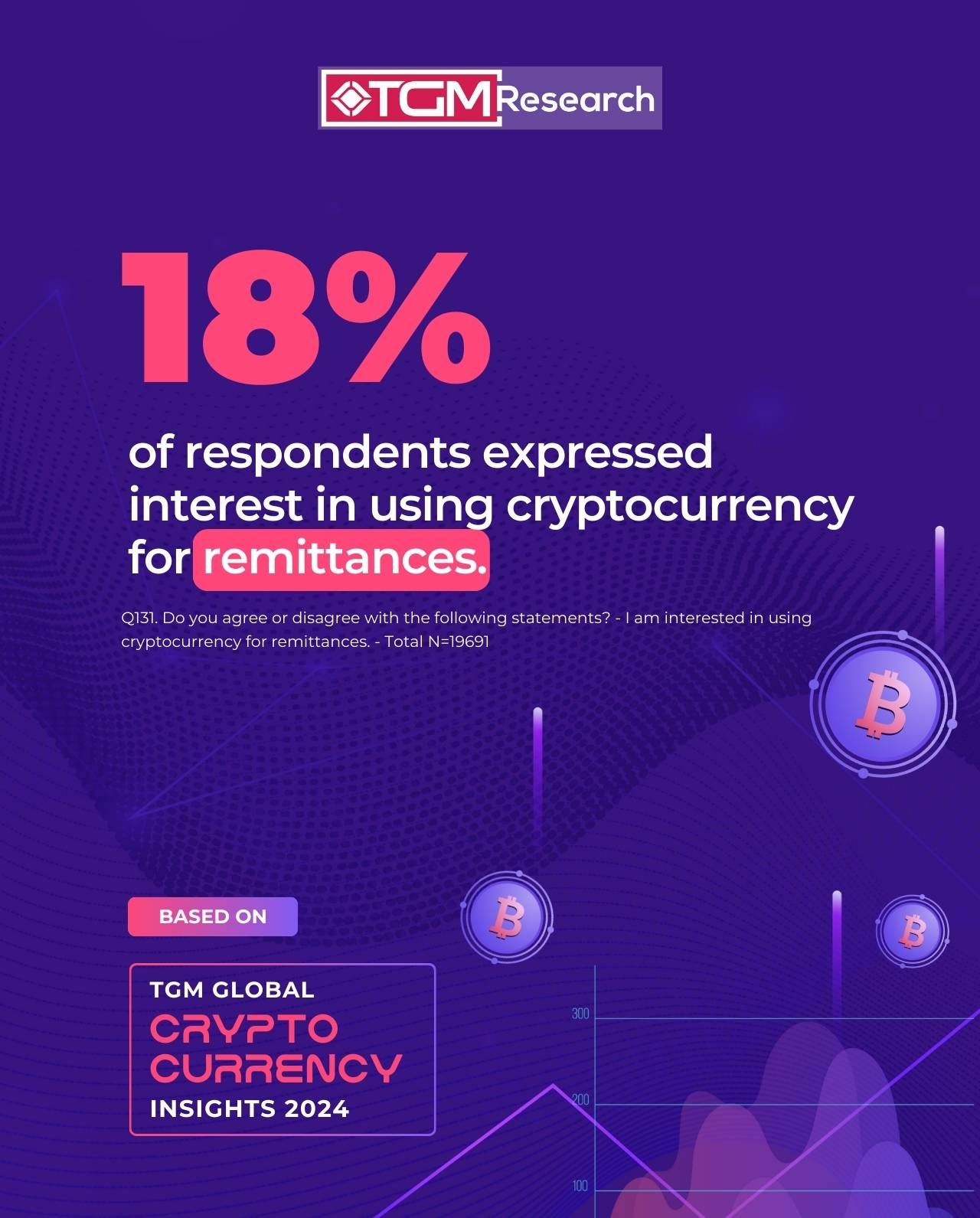
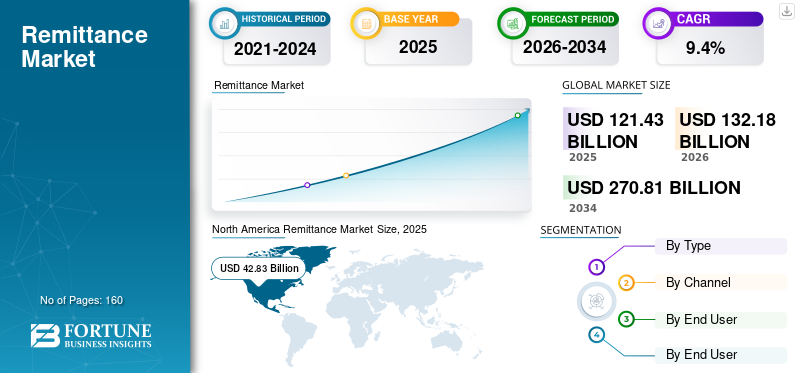
Global remittances have settled into a half-trillion-dollar market, moving money between nations for millions of consumers. This volume provides the liquidity and network effect that crypto remittance strategies rely on. As traditional corridors face regulatory friction, the shift toward digital assets is accelerating, driven by the need for speed and lower costs.
The underlying market momentum is visible in asset performance. The following chart tracks Bitcoin, the primary vehicle for cross-border value transfer, showing the volatility and long-term growth that define this asset class.
Adoption is not just about price; it is about utility. Cryptocurrency is reshaping cross-border transactions by reducing settlement times from days to minutes and cutting fees that often exceed 6% in traditional corridors. This efficiency is driving institutional interest and retail adoption simultaneously.
Execute the remittance workflow
Sending crypto for cross-border payments is not just about hitting "send." To move money securely and legally, you need a disciplined operational sequence. This workflow ensures funds reach the recipient without triggering regulatory flags or getting stuck in compliance limbo.
Start by choosing a stablecoin with deep liquidity and regulatory clarity. USDC and USDT are the industry standards, but verify that the coin is supported by both your sending and receiving channels. Avoid experimental assets that lack clear redemption mechanisms or face regulatory scrutiny.
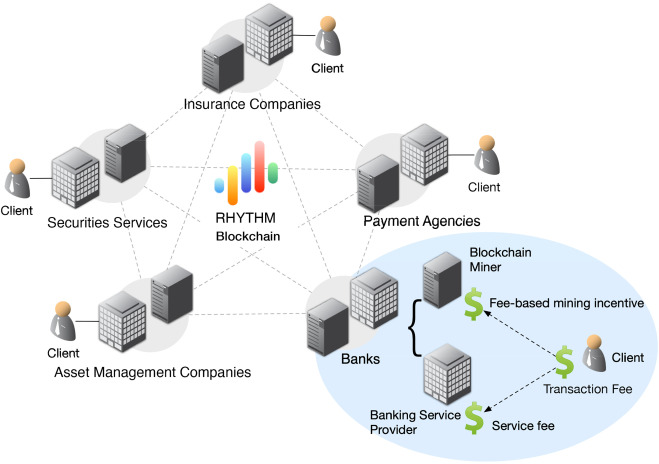
Before any funds move, you must perform customer due diligence. Every production stablecoin remittance flow requires strict identity verification and sanctions screening to comply with global financial regulations. Ensure your provider screens both the sender and the destination wallet against OFAC and other relevant lists.
Initiate the transaction on the appropriate blockchain network. Choose a network with low fees and fast finality, such as Polygon or Solana, for cost-effective remittances. Double-check the recipient's wallet address and network selection to prevent irreversible losses.
Do not assume the transfer is complete immediately. Monitor the blockchain explorer for confirmation blocks. For high-stakes remittances, wait for the standard number of confirmations required by your receiving exchange or fiat on-ramp to ensure the transaction is immutable.

Once the stablecoin is confirmed, the recipient can convert it to local currency through a regulated on-ramp. Ensure the receiving platform is licensed in the recipient's jurisdiction to avoid legal complications or frozen assets.
No comments yet. Be the first to share your thoughts!