Global remittance flows hit $905 billion
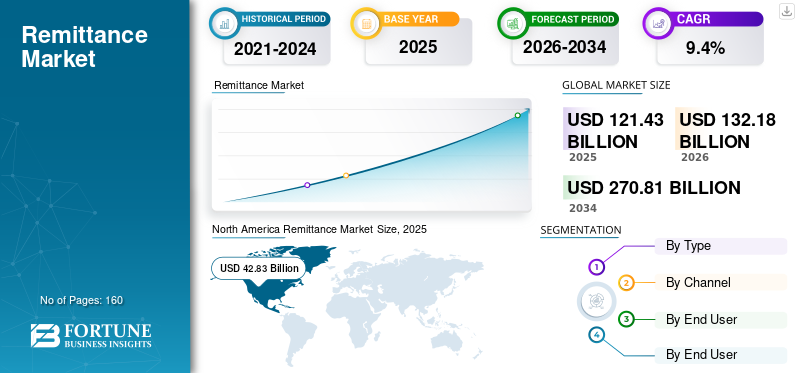
The global remittance market is expanding rapidly. According to the World Bank and Migration Data Portal, remittance flows reached an estimated $905 billion in 2024, up 4.6 percent from $865 billion the previous year. This growth outpaces many traditional economic indicators, underscoring the persistent demand for cross-border money movement. For migrant workers, these funds are not just income; they are the primary engine for household stability in developing economies.
While traditional banking corridors remain dominant, the infrastructure is shifting. The sheer volume of $905 billion highlights a system under pressure to modernize. High fees and slow settlement times in legacy channels are creating space for alternative rails. This is where global crypto remittance analysis becomes critical, as digital assets offer a potential path to faster, cheaper transfers for billions of users.
The migration data portal notes that this increase was larger than previously forecasted, suggesting that digital rails are capturing a growing share of this volume. As the market matures, the focus is no longer just on adoption, but on reliability and regulatory clarity. The $905 billion figure serves as the baseline against which all new crypto-based solutions must measure their utility and speed.
How stablecoins are replacing legacy remittance rails
The global remittance market, valued at approximately $630 billion, has long relied on legacy banking networks that move money slowly and charge high fees. For many migrant workers, sending home $200 to $300 monthly often means losing around 6% of that transfer to transaction costs. Stablecoins are dismantling this friction by offering a digital infrastructure that moves value at the speed of the internet rather than the speed of interbank settlement.
Unlike traditional wire transfers that require multiple correspondent banks and days to clear, stablecoin transactions settle on-chain in minutes or seconds. This infrastructure shift allows users to bypass the SWIFT network's layered complexity. The result is a direct peer-to-peer transfer model where the cost is determined by blockchain gas fees rather than banking markup. For cross-border payments, this means capital arrives faster and in full, preserving the sender's intent.
The stability of these assets is what makes them viable for essential remittances. By pegging their value to fiat currencies like the US dollar, stablecoins provide the predictability needed for households relying on regular income. This combination of fiat stability and blockchain speed creates a compelling alternative to traditional money transfer operators, particularly in regions where banking infrastructure is sparse or expensive.
Compare remittance fees and settlement times
When sending money home, the total cost isn't just the transaction fee; it's the fee plus the exchange rate margin and the time your family waits for the cash. Traditional providers like Western Union or MoneyGram often charge high flat fees plus a spread on the currency conversion. In contrast, crypto rails use blockchain networks to bypass these intermediaries, significantly lowering the cost per transaction.
The World Bank tracks global remittance flows and has long highlighted that fees for sending money to low- and middle-income countries remain stubbornly high, often averaging around 6%. While some corridors have seen slight improvements, the gap between traditional banking rails and emerging crypto solutions remains stark. Crypto remittances typically charge network gas fees (which vary by blockchain) and a small platform fee, often resulting in total costs of less than 1-2% for larger transfers.
To visualize the efficiency gains, we compare the typical cost structure and speed of a standard $200 transfer using Western Union versus a stablecoin transfer (USDC) on a low-fee network like Polygon or Stellar.
| Provider | Avg. Fee | Settlement Time | Rate Margin |
|---|---|---|---|
| Western Union | ~$5.00 | Minutes to Days | 2-4% spread |
| Crypto (USDC/Stablecoin) | ~$0.10 - $0.50 | Seconds to Minutes | <0.5% spread |
As the table shows, the savings are not just in the upfront fee but in the hidden cost of exchange rate manipulation. Traditional providers profit from the spread, meaning you receive less local currency than the mid-market rate. Crypto platforms generally offer rates much closer to the real-time market price, ensuring more of your money reaches the recipient.
Track real-time market conditions
While fees are static or predictable, the underlying value of the assets you send can fluctuate. Using stablecoins (crypto pegged to fiat currencies like the USD) mitigates this volatility risk for remittances, but it's still important to monitor market liquidity and network congestion. The widget below shows the current price of Bitcoin, which often influences broader market sentiment and gas fees on networks like Ethereum, though stablecoins remain the preferred tool for most remittance corridors.
Strategic tools for cross-border efficiency
Moving money across borders requires more than just a crypto wallet; it demands a coordinated stack of tools that handle security, liquidity, and final settlement. The global crypto remittance analysis shows that efficiency comes from minimizing the points of failure between the sender’s fiat and the receiver’s local currency. By selecting specialized infrastructure, users can bypass traditional banking delays and reduce friction costs.
Secure storage for remittance funds
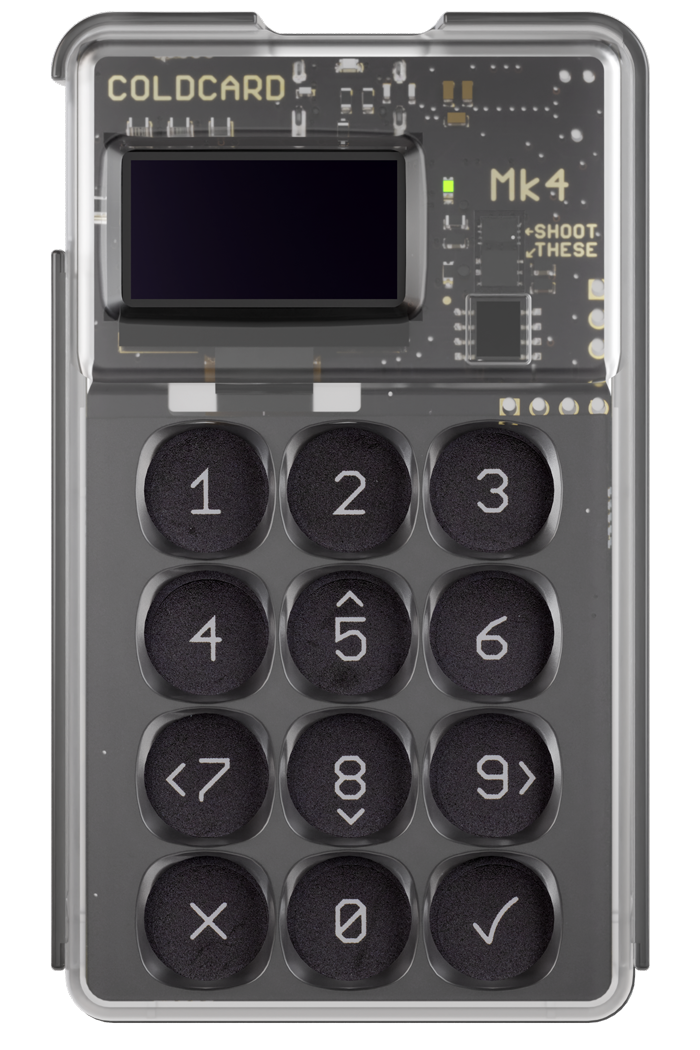
Before moving capital, you need a secure place to hold it. Hardware wallets provide an offline environment for your private keys, ensuring that your funds remain inaccessible to online threats during the transit phase. For remittance operations, this is the first line of defense.


As an Amazon Associate, we may earn from qualifying purchases.
Reliable on-ramps and off-ramps
The bridge between fiat and crypto is often the most expensive part of the journey. Choosing the right on-ramp (fiat to crypto) and off-ramp (crypto to fiat) depends on your destination. Look for providers that offer direct bank transfers or local payment methods in the recipient’s country to avoid multiple conversion steps.
Low-cost stablecoins for settlement
For the actual transfer, stablecoins pegged to the US dollar (like USDC or USDT) are the standard because they eliminate volatility risk during transit. Using layer-2 networks or specific blockchains like Solana or Stellar can further reduce transaction fees to fractions of a cent, making small remittances economically viable.
Navigating Regulatory Risks and Compliance Checks
Cross-border crypto transfers move through a patchwork of national laws that change faster than the underlying technology. For a global crypto remittance analysis, understanding these shifts is not just about avoiding fines; it is about ensuring your funds actually reach the intended recipient without being frozen by a bank or flagged by authorities.
The regulatory environment is split between jurisdictions that embrace digital assets and those that treat them as potential threats. The European Union’s Markets in Crypto-Assets (MiCA) regulation provides a unified framework, requiring strict identity verification and transaction monitoring. In contrast, some emerging markets have imposed outright bans on crypto exchanges, forcing users into informal, unregulated channels that carry higher risks of fraud and loss.
Compliance is no longer optional. Financial institutions and remittance providers are increasingly adopting blockchain analytics tools to track transaction flows. These tools help identify suspicious activity, but they also mean that every transfer is scrutinized. If your transaction pattern looks unusual—such as moving large sums to high-risk jurisdictions—it may be delayed or rejected.
Staying compliant requires diligence. Keep detailed records of your transactions, including the purpose and recipient details. This documentation can be crucial if you need to explain the source of funds to a bank or regulator. Ignorance of local laws is rarely accepted as a defense, so proactive research is your best protection.
No comments yet. Be the first to share your thoughts!