Defining the global crypto remittance market
Crypto remittance is the process of transferring digital assets across borders to settle payments between individuals in different countries. Unlike traditional wire transfers that rely on banking corridors and intermediary banks, this method uses blockchain networks to move value directly from sender to recipient. The result is often near-instant settlement and significantly lower friction, provided both parties have access to the necessary digital infrastructure.
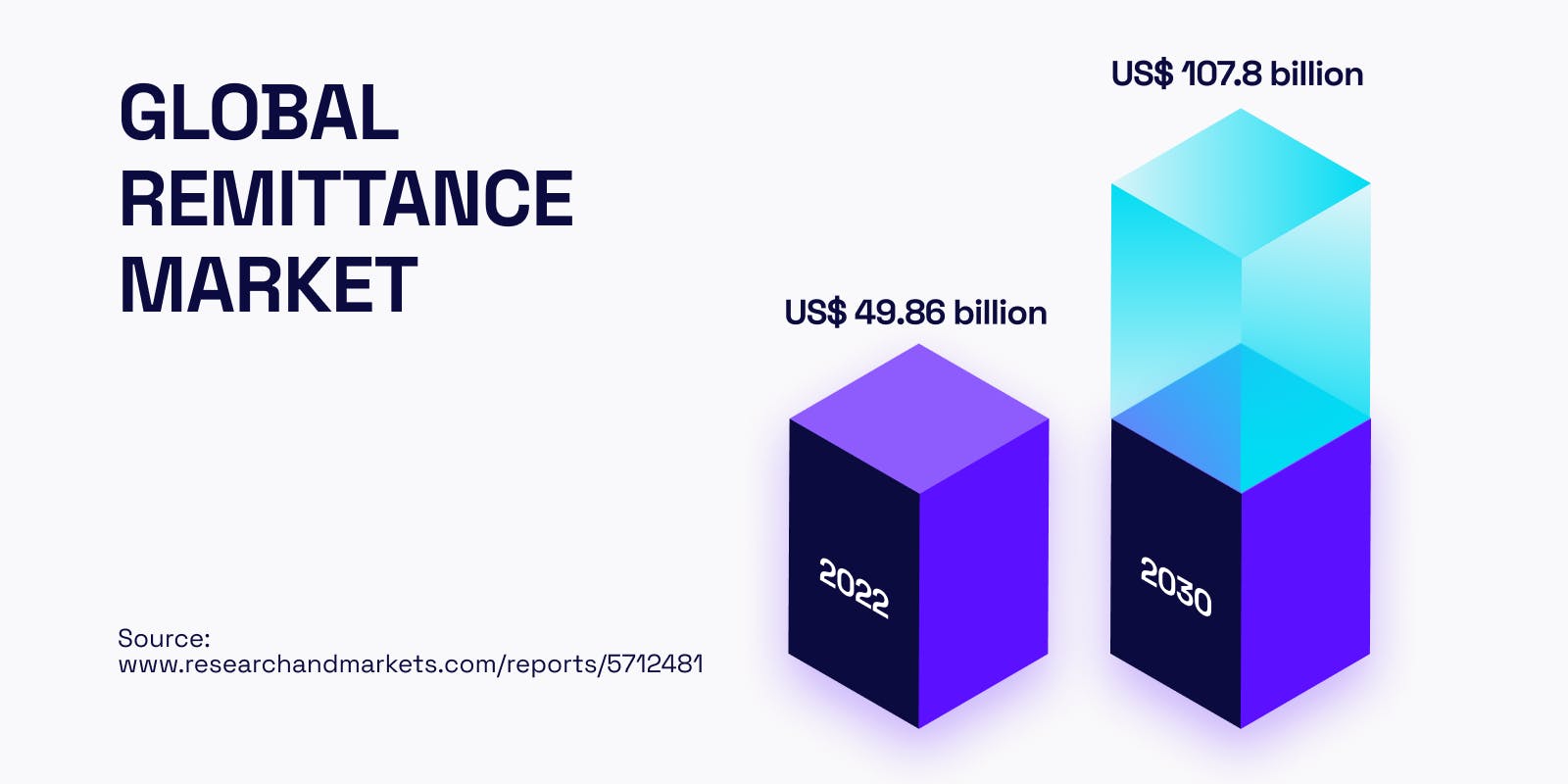
The scale of this market cannot be overstated. Global remittance flows reached an estimated $905 billion in 2024, according to the Migration Data Portal. This represents a 4.6% increase from the previous year, highlighting the persistent demand for cross-border payment solutions. For many developing economies, these inflows are not just supplementary income but a critical pillar of GDP, making efficiency and cost in these channels a matter of national economic interest.
This massive volume underscores why the Global Crypto Remittance guide focuses on this specific intersection of finance and technology. While traditional providers like Western Union have long dominated this space, they often charge high fees and operate on slow settlement times. Crypto remittance offers an alternative model that bypasses these legacy systems, though it introduces new complexities regarding volatility and regulatory compliance that define the current market landscape.
Crypto vs. Traditional Transfer Costs
The primary advantage of using a Global Crypto Remittance guide approach is the dramatic reduction in friction and cost. Traditional banking rails and money transfer operators (MTOs) often charge high fixed fees and unfavorable exchange rates, while crypto networks operate on a variable fee structure that scales with network congestion rather than transfer volume.
| Feature | Crypto Rails (Stablecoins) | Banks (SWIFT) | Money Transfer Operators |
|---|---|---|---|
| Average Fee | $0.10 – $2.00 | $15 – $50 | 5% – 10% |
| Speed | Minutes (1–10) | 2–5 Business Days | Minutes – Hours |
| Availability | 24/7/365 | Business Hours Only | Varies by Location |
| Accessibility | Internet + Wallet | Bank Account Required | Physical Agent Network |
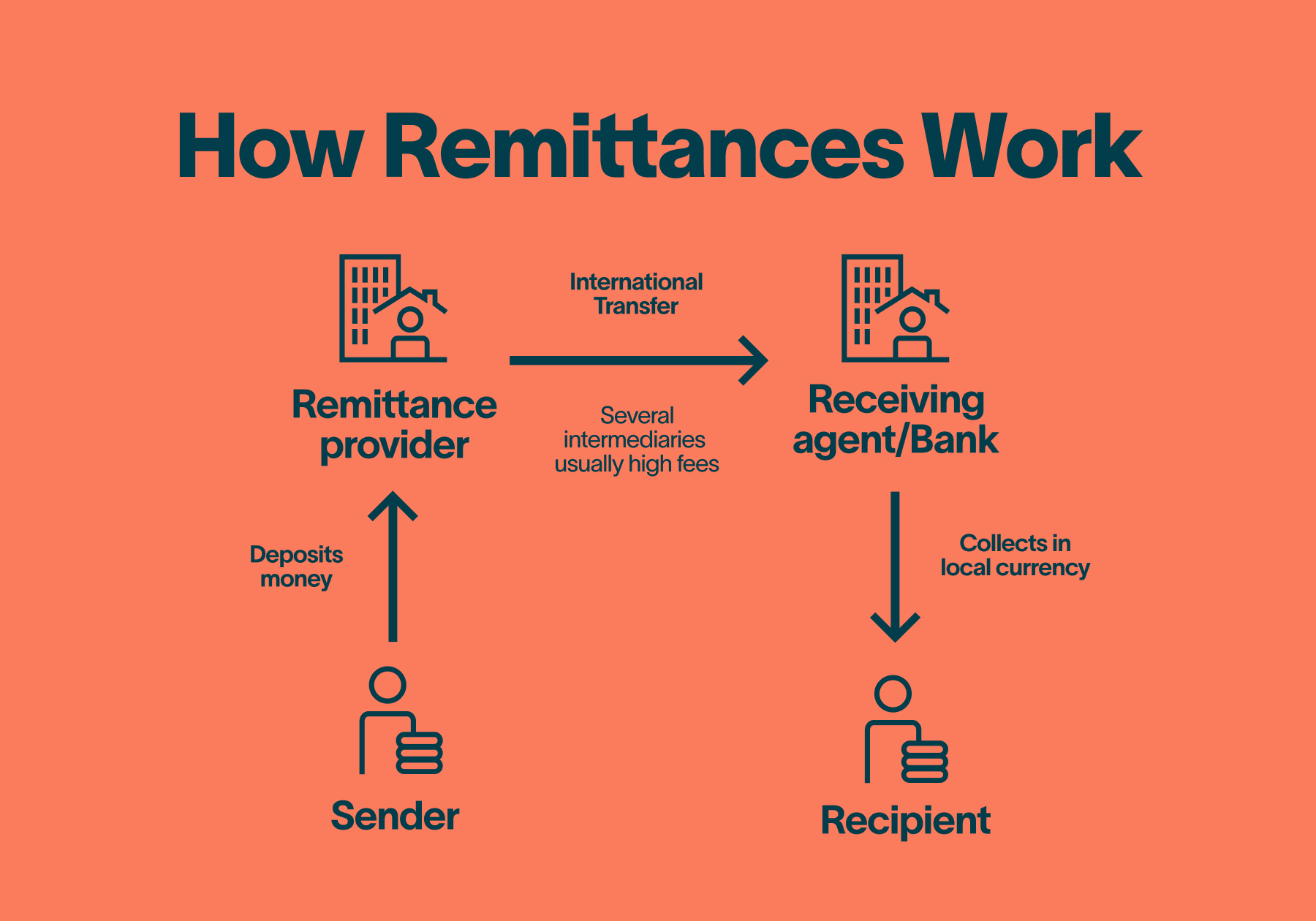
Traditional providers like Western Union or major banks rely on correspondent banking networks that require multiple intermediaries. Each stop adds a fee and a delay. Crypto transactions move directly from sender to recipient on the blockchain, bypassing these middlemen. Research indicates that even conservative estimates suggest migrant workers could save $300–$600 annually by switching from bank transfers to crypto remittances.
While the upfront cost of crypto is lower, users must account for the "off-ramp" fee when converting digital assets back to local currency at a local exchange or agent. However, even with these final conversion costs, the total expense remains significantly lower than the combined wire and agent fees of traditional services.
| Provider Type | Typical Cost | Speed | Access Barrier |
|---|---|---|---|
| Crypto (Stablecoin) | <$2 | Minutes | Low |
| Bank Wire | $25–$50 | 2–5 Days | High |
| Money Transfer | 5–10% | Minutes | Medium |
The 2026 Remittance Transfer Tax: What Changes for Crypto
Starting January 1, 2026, a new 1% tax on international remittances takes effect, fundamentally altering the cost landscape for global money transfers. This rule, established under the "One Big Beautiful Bill," specifically targets the method of payment used by senders rather than the destination country itself.
The legislation focuses heavily on fiat-based payment methods. If you pay for a transfer using physical instruments like cash, checks, or money orders, the 1% tax is applied to the transaction value. This is designed to capture revenue from the traditional banking and money transfer operator (MTO) channels that have historically dominated the remittance market.
Why Crypto Remittances May Remain Untouched
For users relying on the Global Crypto Remittance guide strategies, this regulatory shift creates a distinct advantage. Cryptocurrency transactions are digital by nature; they do not involve the exchange of physical cash, paper checks, or money orders at the point of transfer initiation. Because the tax is tied to the payment instrument rather than the asset being sent, crypto transfers generally fall outside the scope of this specific 1% levy.
This distinction matters significantly for high-volume senders. While a traditional bank transfer or Western Union payment using cash now carries an immediate 1% surcharge, a Bitcoin or stablecoin transfer initiated from a digital wallet does not trigger this specific tax provision. The cost structure remains driven by network fees and exchange spreads, which, while volatile, are not subject to this new federal tax mandate.
Compliance and Reporting Requirements
Despite the tax exemption, crypto remittances are not free from regulatory scrutiny. The IRS and Treasury continue to emphasize reporting requirements for digital asset transfers. Senders must still adhere to existing anti-money laundering (AML) and know-your-customer (KYC) regulations. The absence of the 1% tax does not imply a lack of oversight; rather, it reflects the legislative intent to target physical fiat instruments specifically.
As you plan your 2026 remittance strategy, compare the total cost of fiat-based transfers (now including the 1% tax) against crypto-based alternatives. For many senders, especially those in developing nations receiving funds, the tax exemption for crypto could make digital assets the more cost-effective option, provided network fees remain competitive.
Market data and volatility trends
When you send money home using a Global Crypto Remittance guide strategy, you are stepping into a market that moves faster than traditional banking rails. The speed is the main selling point, but it comes with a trade-off: volatility. While the sender might lock in a rate at the moment of transfer, the value of the digital asset can shift significantly before the recipient cashes out. This isn't just theoretical risk; it is a daily financial reality for millions of cross-border users.
To understand the scale of this movement, it helps to look at the current market behavior. Bitcoin and Ethereum remain the primary vehicles for these transfers, but their price swings can eat into the remittance value if not managed carefully. A stablecoin approach mitigates this, but it introduces its own set of regulatory and liquidity questions. The following chart illustrates the recent volatility landscape, showing why timing and asset selection matter.
The financial impact of these swings is tangible. For a $500 transfer, a 5% drop in value during the settlement window means the recipient gets $25 less than expected. This is why many providers now offer guaranteed exchange rates for short windows, effectively acting as an insurance policy against the market. Without this protection, the sender bears the full brunt of the market's unpredictability.
Liquidity is the other side of the coin. In major corridors like the US to Mexico or the UK to India, deep liquidity ensures that large transfers don't cause massive price slippage. However, in smaller or emerging markets, liquidity can be thin. This means that even if you send a small amount, the spread between the buy and sell price might be wider than you anticipate, adding hidden costs to the transaction. Always check the local liquidity depth before committing to a specific corridor.
Compliance and operational strategy
Structuring a global crypto remittance guide requires navigating a complex web of anti-money laundering (AML) and tax regulations. The regulatory landscape is shifting rapidly, particularly with new tax implications for cross-border transfers. To remain compliant, you must treat your remittance flows not just as financial transactions, but as auditable data streams.
KYC (Know Your Customer) is the first line of defense. Before any funds move, ensure your platform or wallet provider verifies the sender’s identity. This includes collecting government-issued IDs and verifying the source of funds to prevent illicit activity. Georgetown Law notes that while crypto offers efficiency, high financial and knowledge barriers can complicate this process if not managed properly.
AML compliance requires continuous monitoring of transaction patterns. Use blockchain analytics tools to screen addresses against sanction lists and detect suspicious behavior. If a transaction seems unusual—such as rapid movement through multiple wallets—flag it for review. This proactive approach helps avoid regulatory penalties and protects your reputation.

Tax rules vary significantly by country. In the U.S., for example, new proposed regulations introduce a 1% remittance transfer tax on certain cash-based remittances starting in 2026. Keep detailed records of all transactions, including dates, amounts, and exchange rates, to simplify tax reporting. Consult with a tax professional familiar with international crypto regulations to ensure compliance.
Not all cryptocurrencies are created equal in the eyes of regulators. Stablecoins pegged to fiat currencies often face stricter scrutiny but offer greater predictability. When selecting a stablecoin for remittances, prioritize those with transparent reserve audits and clear regulatory standing. This reduces the risk of sudden devaluation or legal restrictions.
Maintain a comprehensive ledger of all remittance activities. This includes transaction hashes, recipient details, and compliance checks. Digital record-keeping not only aids in audits but also provides transparency to regulators and partners. Consider using blockchain-based audit trails for added immutability and trust.
By integrating these steps into your operational strategy, you can mitigate risks and ensure your global crypto remittance guide remains compliant with evolving regulations. Always stay updated on regulatory changes and adjust your practices accordingly.
Frequently asked questions about global crypto remittance
This section clarifies common questions about how crypto remittance works, how to receive funds, and the new 2026 regulatory changes.
What is crypto remittance?
In practice, a crypto remittance involves the sender transferring digital assets from their wallet or payment platform to the recipient's wallet. This process is often completed within minutes, bypassing traditional banking rails. Unlike conventional wire transfers that can take days, the blockchain network confirms transactions rapidly, making it a high-speed option for cross-border payments. For more on how this reshapes the landscape, see ForumPay's guide on crypto remittances.
How to receive international payments through crypto?
To receive international payments, you first need a digital wallet that supports the specific cryptocurrency being sent. Once set up, you will be assigned a unique address (a string of letters and numbers) or a QR code. You share this address with the person sending the payment. When they initiate the transfer, the funds appear in your wallet once the network confirms the transaction. Always double-check the address and network type before sharing it to avoid lost funds.
What is the new rule for remittance?
Beginning January 1, 2026, a 1% remittance transfer tax applies to remittances sent from the United States to recipients in foreign countries. This tax specifically targets transfers made using cash, money orders, cashier's checks, or other similar physical instruments provided to a remittance transfer provider. Digital-only transfers using crypto or bank accounts may be treated differently under these new proposed regulations. For the full details on the IRS and Treasury's proposed regulations, visit the IRS Newsroom.
No comments yet. Be the first to share your thoughts!