Map the remittance corridor
Before building the rails, you need to know where the traffic flows. Global remittance infrastructure isn't about solving every cross-border payment problem; it's about targeting high-volume corridors where traditional costs and speeds fail. In 2022, India, Mexico, China, the Philippines, and Egypt were the top five recipient countries, collectively absorbing a massive share of global migrant money transfers [IOM]. These corridors represent the most lucrative entry points for crypto infrastructure because the pain points—high fees and slow settlement times—are most acute here.
When mapping your initial routes, focus on the friction between the sender's fiat currency and the receiver's local payout method. Traditional Money Transfer Operators (MTOs) like Western Union and MoneyGram dominate these lanes but often charge 5-7% in fees and take days to settle. Crypto infrastructure, particularly stablecoin rails, can compress this to minutes with single-digit percentage costs. The goal is to identify corridors where the spread between the traditional MTO rate and the crypto alternative is wide enough to drive user adoption.
Start by selecting one or two primary corridors rather than attempting a global rollout. For example, if you target the US-to-Mexico lane, you must integrate with local Mexican payout partners who can handle cash withdrawals or bank deposits. The infrastructure must bridge the gap between the blockchain layer and the real-world economy. Without a clear map of where the volume is and who handles the last-mile delivery, your infrastructure will have no liquidity and no users.

Choose the settlement layer
The settlement layer is the backbone of your global crypto remittance infrastructure. It determines how quickly funds reach the recipient, how much they cost, and whether your operation survives regulatory scrutiny. You aren't just picking a blockchain; you are choosing the rails on which your entire business runs.
Compare network trade-offs
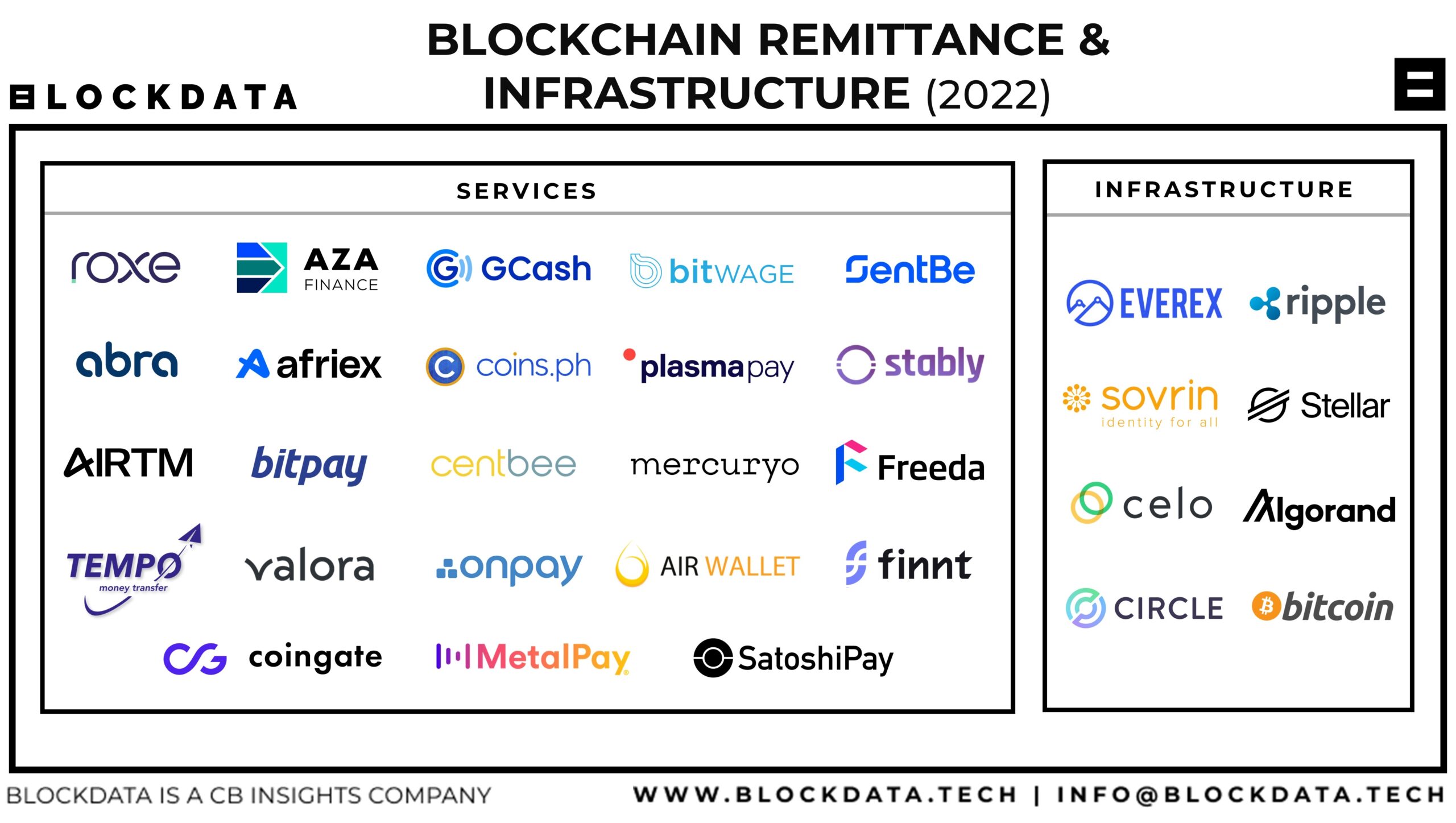
Different networks offer distinct advantages depending on your target corridors. Ethereum provides unmatched security but can be prohibitively expensive for small transfers. Layer-2 solutions like Polygon offer speed and low fees while inheriting Ethereum's security model. Solana provides high throughput for volume-heavy corridors, while stablecoin-native chains like Stellar are built specifically for cross-border payments. Use the table below to compare the core metrics that matter for your specific use case.
| Network | Finality | Avg. Fee | Regulatory Clarity |
|---|---|---|---|
| Ethereum (L1) | ~15-20 mins | $2-$20+ | High (established) |
| Polygon | ~2-3 secs | <$0.01 | Medium (evolving) |
| Solana | ~400 ms | <$0.01 | Medium (newer) |
| Stellar | ~3-5 secs | ~$0.0001 | High (purpose-built) |
Match the layer to the corridor
Your choice should depend on where your users are. If you are sending money from the US to Mexico, you need a network that balances speed with the ability to on-ramp to fiat easily. Ethereum's liquidity is deep, but the fees can eat into small remittances. Polygon or Solana might be better for high-volume, low-value transfers. Stellar is often preferred for corridors involving emerging markets due to its direct bank integrations. There is no single best network; there is only the best network for your specific corridor and user base.
Prioritize finality and liquidity
Finality is the moment a transaction is irreversible. In remittance, this is critical for trust. If a user waits 20 minutes for finality, they may lose confidence in the service. Liquidity is equally important; you need enough depth on the network to execute large transfers without significant slippage. Ethereum and its L2s offer deep liquidity, while newer chains may struggle with depth during volatile periods. Always test your settlement layer with real-world transaction volumes before committing to a production environment.
Integrate stablecoin rails
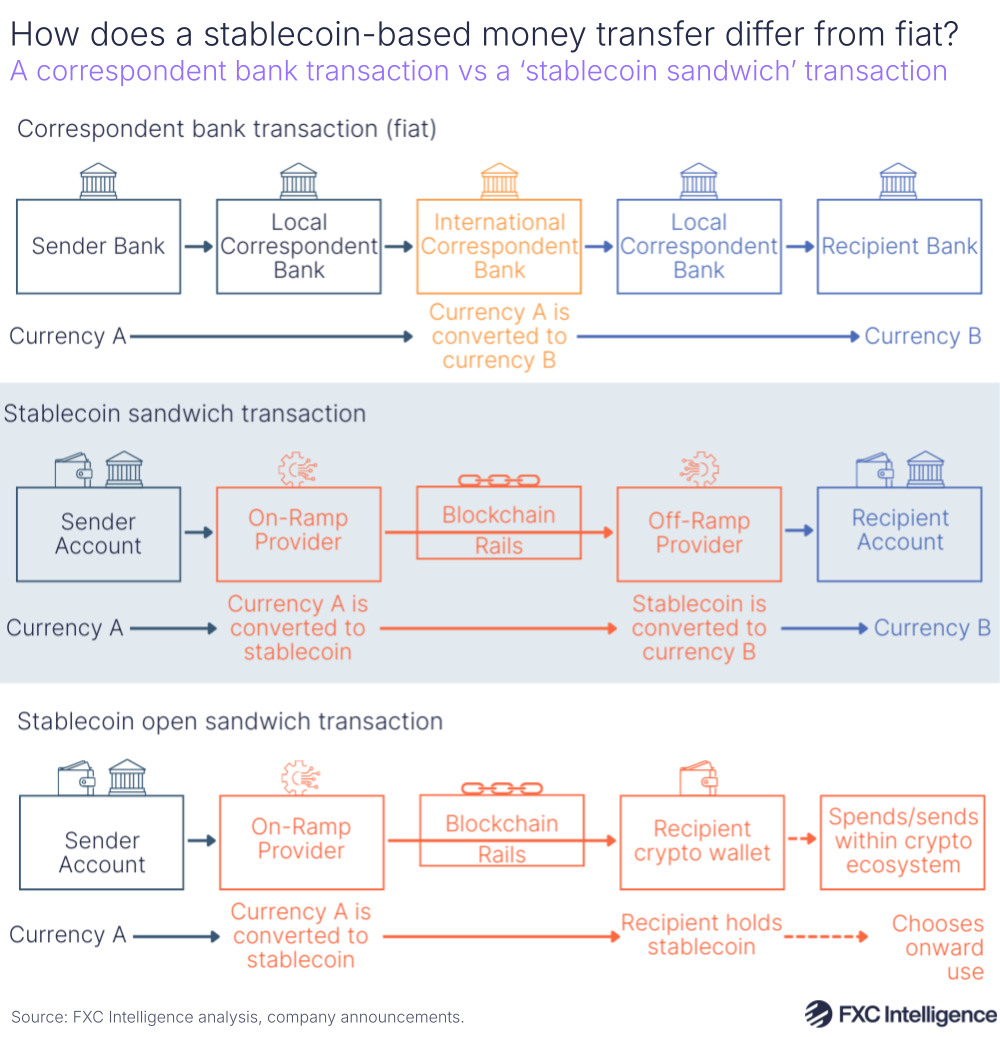
Stablecoins have become the preferred asset class for building a global crypto remittance infrastructure because they solve the two biggest pain points of cross-border payments: speed and cost. Unlike volatile cryptocurrencies, stablecoins maintain a predictable value, usually pegged 1:1 to the US dollar, which protects both the sender and the receiver from market swings during the transaction window.
Selecting the right peg is the first strategic decision. While Bitcoin offers decentralization, its volatility makes it impractical for daily wage transfers or small business settlements. Stablecoins like USDC and USDT provide the liquidity and stability required for high-volume corridors. According to the Payments Card Industry Council (PCMI), stablecoins are rapidly gaining traction among banks and fintech platforms specifically because they lower costs and enable near-instant settlement compared to traditional wire networks [src-serp-4].
To build this infrastructure effectively, follow this three-step integration sequence:
Start by identifying the specific geographic routes with the highest volume and highest traditional fees. Not all corridors are created equal; some regions have better fiat on-ramp access or more favorable regulatory frameworks for stablecoin usage. Focus your initial infrastructure build on these high-impact paths to demonstrate value quickly.

Choose a stablecoin that aligns with your target market's preferences and regulatory environment. USDC is often preferred in regulated markets due to its transparency and US-based issuer, while USDT may offer broader liquidity in emerging markets. Simultaneously, select the blockchain network (e.g., Solana, Stellar, or Layer 2 Ethereum) that offers the lowest fees and fastest finality for those specific corridors.
The final step is connecting your stablecoin rails to the traditional financial system. You need robust fiat on-ramps and off-ramps to convert stablecoins into local currency for recipients. Modern infrastructure providers now offer embedded compliance automation, which handles KYC/AML checks automatically, allowing you to focus on the user experience rather than building compliance tools from scratch [src-serp-7].
By following this sequence, you ensure that your global crypto remittance infrastructure is not just technically sound, but also economically viable for the end-users who rely on these funds.
Connect fiat on-ramps and off-ramps
A global crypto remittance infrastructure is only as reliable as its entry and exit points. Bridging the gap between traditional banking systems and blockchain networks requires precise integration of fiat on-ramps (converting local currency to crypto) and off-ramps (converting crypto back to local currency). This process is not merely technical; it is a compliance-heavy operation that determines the speed, cost, and legality of your cross-border transfers.
Map your corridors and select layer partners
Before writing a single line of code, you must map the specific remittance corridors you intend to serve. Different regions have varying regulatory landscapes and banking partnerships. For instance, corridors involving India, Mexico, China, the Philippines, and Egypt—top recipients of global remittances—require distinct compliance strategies and local currency support.
Selecting the right infrastructure layer is critical here. You can build custom APIs or use consolidated platforms that embed wallets, compliance automation, and fiat rails into a single solution. The goal is to minimize friction while ensuring that every transaction complies with the Anti-Money Laundering (AML) and Know Your Customer (KYC) regulations of both the source and destination countries.
Integrate on-ramp liquidity providers
Your on-ramp is the first point of contact for users. It must support multiple fiat currencies and payment methods, including bank transfers, credit cards, and local mobile money options. Partner with established liquidity providers who can offer competitive exchange rates and fast settlement times.
When choosing a provider, prioritize those with robust compliance frameworks. The integration should allow for real-time verification of user identities and transaction monitoring. This ensures that your global crypto remittance infrastructure can handle high volumes without triggering regulatory flags or freezing user funds. Look for partners who offer transparent fee structures and clear API documentation to streamline the development process.
Secure off-ramp withdrawal channels
The off-ramp is where the value reaches the end user. Whether the recipient wants cash pickup, bank deposit, or mobile wallet credit, your infrastructure must support these diverse withdrawal methods. This requires partnerships with local payout agents and banks in the destination countries.
Efficiency here is measured by speed and reliability. Users expect their funds to arrive quickly and without unexpected deductions. Ensure your off-ramp integration includes real-time status updates and clear error handling for failed transactions. By carefully selecting and integrating these final steps, you create a seamless loop that makes global crypto remittances a viable alternative to traditional money transfer services.
Navigate regulatory compliance
Building a global crypto remittance infrastructure requires more than technical interoperability; it demands strict adherence to evolving financial laws. Non-compliance can lead to immediate shutdowns of cross-border operations, making regulatory strategy a core component of your infrastructure design. You must map your operations against the specific frameworks of your target corridors, prioritizing regions with clear guidelines like the EU’s MiCA and emerging US legislation such as the GENIUS Act.
Start by mapping your primary remittance corridors. Identify the jurisdictions where your users and partners reside, then determine which regulatory bodies govern those flows. For instance, if you operate in Europe, the Markets in Crypto-Assets (MiCA) regulation provides a unified framework for stablecoin issuers and service providers. In the United States, the GENIUS Act proposes specific rules for stablecoin reserves, impacting how you manage liquidity and transparency. Understanding these distinctions allows you to select the appropriate compliance layer for each transaction path.
Once your corridors are mapped, select the compliance layer that matches your risk profile and market access. This involves integrating identity verification (KYC) and transaction monitoring tools that can adapt to different regional standards. Rather than building custom solutions for every jurisdiction, leverage existing regulatory technology (RegTech) providers that offer modular compliance APIs. This approach reduces development time and ensures that your infrastructure remains agile as regulations shift. Remember that stablecoins are lowering remittance costs and gaining traction among banks precisely because they can be structured to meet these compliance requirements efficiently.
Finalize your infrastructure checklist
Before you go live, run through this pre-launch verification. A robust global crypto remittance infrastructure relies on three pillars: corridor mapping, layer selection, and integration. Skipping any step risks regulatory friction or failed transactions.
-
Map target corridors: Verify local regulatory requirements and preferred fiat on/off ramps for each destination country.
-
Select settlement layers: Choose between L1 stablecoins (e.g., USDC) for speed or L2 solutions for lower fees, ensuring liquidity availability.
-
Integrate compliance engines: Connect real-time AML screening and KYC verification tools to satisfy FATF Travel Rule standards.
-
Test end-to-end flows: Run sandbox transactions through all nodes to confirm latency, success rates, and reconciliation accuracy.
-
Audit liquidity providers: Confirm that your exchange partners can handle peak volume without slippage or delays.
This checklist aligns with industry standards for cross-border payments. For deeper technical specifics on settlement layers, refer to the Lightspark global remittance infrastructure guide or Stripe’s cross-border payment technology overview.
Frequently asked questions about global crypto remittance infrastructure
Building a global crypto remittance infrastructure requires navigating high-volume corridors, selecting the right blockchain rails, and understanding the competitive landscape dominated by legacy players. Here are answers to the most common questions from industry research.
No comments yet. Be the first to share your thoughts!