Why remittances still need better infrastructure
Global remittance flows exceed $800 billion annually, yet the traditional corridors remain plagued by high costs and slow settlement times. The World Bank estimates average fees at around 6% for lower-income destinations, a significant drag on household income that has persisted despite decades of technological change. For migrant workers, this isn't just an inconvenience; it's a direct reduction in the resources available to support families abroad.
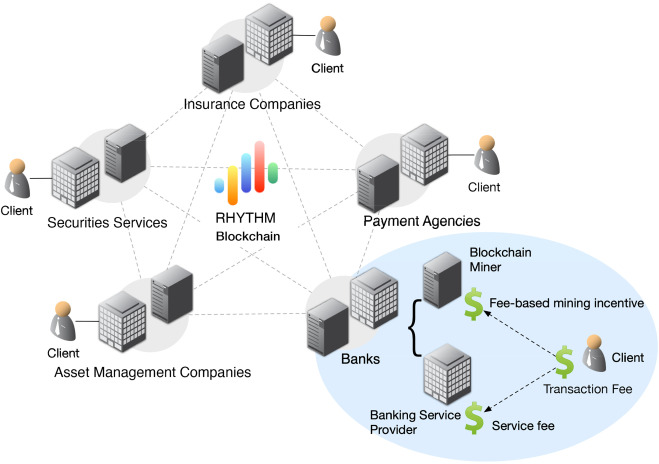
The traditional banking model relies on a fragmented network of correspondent banks, each taking a cut and adding processing time. This structure creates a bottleneck that crypto infrastructure is uniquely positioned to bypass. By leveraging blockchain networks, remittances can bypass multiple intermediaries, reducing both the friction and the cost associated with cross-border transfers. The goal is not just speed, but transparency and accessibility for the unbanked.
While cryptocurrencies offer a promising alternative, they are not a silver bullet. As noted by researchers at Georgetown Law, crypto's potential is often limited by its own volatility and the knowledge barrier required to use it safely. However, the underlying infrastructure—stablecoins and efficient settlement layers—provides a clearer path to the "holy grail" of cross-border payments: immediate, cheap, and universal settlement.
Choosing the right stablecoin for settlement
Selecting the correct stablecoin is not just a technical decision; it is a risk management choice. Your strategy must balance liquidity, regulatory compliance, and network fees against the specific requirements of your target corridor. While the "holy grail" of cross-border payments aims for immediate, cheap, and universal settlement, the reality involves choosing between established giants and niche alternatives.
Two assets dominate the market: USDC and USDT. USDC is often preferred by institutional players and regulated fintechs due to its transparent reserves and strong compliance framework in the US and EU. USDT offers deeper liquidity in many emerging markets, particularly in Asia and Latin America, but carries higher regulatory scrutiny in certain jurisdictions. Your choice should depend on where your recipients are and which networks they trust.
To make an informed decision, compare these assets across key metrics. The table below highlights the primary differences in fees, liquidity, and regulatory standing.
| Metric | USDC | USDT |
|---|---|---|
| Primary Regulatory Status | Fully reserved, US/EU compliant | Mixed, higher scrutiny in US |
| Liquidity Depth | High on major DEXs/CEXs | Highest overall market volume |
| Network Fees | Low on Layer 2s (e.g., Arbitrum) | Low on Tron (TRC-20) |
| Best Corridor Use | Institutional/B2B, Western markets | Retail/Remittance, Emerging markets |
For live market context, monitor the price stability and volume of these assets. Stablecoins are designed to maintain a 1:1 peg, but deviations can signal liquidity stress or regulatory news. Use the following widgets to track real-time performance.
When building your strategy, prioritize the network with the lowest fees and highest reliability for your specific destination. For example, if sending to Vietnam or Mexico, USDT on TRC-20 might be faster and cheaper than USDC on Ethereum mainnet. Always verify the recipient's preferred wallet and network support before finalizing your settlement asset. This ensures your remittance arrives quickly and without unexpected friction.
Map the on-ramp and off-ramp liquidity
Reliable fiat on-ramps and off-ramps are the critical infrastructure that bridges the gap between traditional banking and the crypto economy. Without these entry and exit points, the theoretical benefits of faster, cheaper cross-border transfers remain out of reach. The cross-border payments market is projected to reach $290 trillion by 2030, driven by the need for more efficient settlement layers than traditional correspondent banking can provide.
The "holy grail" of this sector is a system that allows payments to be immediate, cheap, universal, and settled in a secure medium. Cryptocurrencies address this by significantly lowering the transaction costs typically levied by banks and money transfer operators. However, the efficiency of any remittance strategy depends entirely on the liquidity and regulatory compliance of the on-ramp and off-ramp providers facilitating these movements.
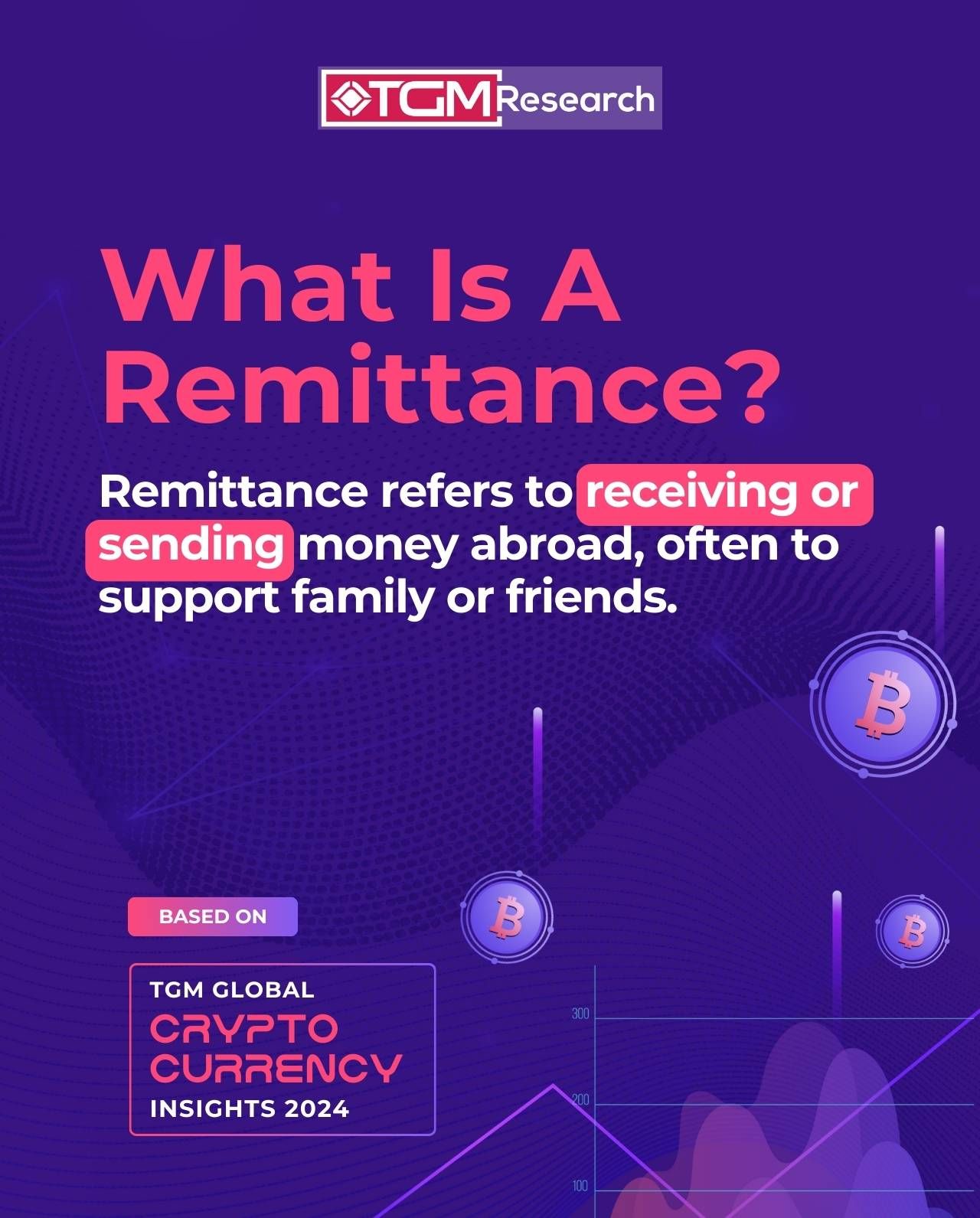
Selecting the right infrastructure provider requires assessing their ability to navigate local regulations while maintaining high liquidity. This ensures that funds move from fiat bank accounts to crypto exchanges, and finally to local payout methods, with minimal friction. The goal is to create a seamless flow that reduces both time and fees for the end user.
Monitor volatility and fees in real time
Timing matters when moving money across borders. Crypto markets move fast, and a few minutes of delay can change your final payout. You need live data to see what is happening right now, not yesterday’s snapshot.
Use a price widget to track your stablecoin against the US dollar. This gives you an immediate sense of the peg and any minor drift. If you are using a volatile asset like Bitcoin for hedging, you must watch the chart closely. A sudden dip during your transfer window can eat into the recipient’s funds before the transaction settles.
The holy grail of cross-border payments is a solution allowing cross-border payments to be immediate, cheap, universal, and settled in a secure settlement medium.— SUERF (Study of European Financial Research)
To achieve this, you need to monitor the spread between the buy and sell price. High volatility often widens this spread. By watching the
, you can see if the market is stable enough for a large transfer. If the price is bouncing around, wait for it to settle before you initiate the swap.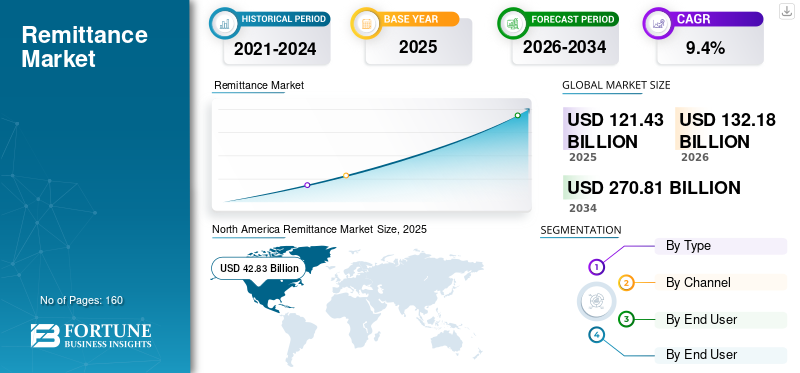
Fees are the other half of the equation. Network congestion can spike gas fees, turning a cheap transfer into an expensive one. A technical chart helps you identify low-traffic windows. Look for periods of lower volume on the
. These are often the best times to move smaller amounts without paying a premium for speed.Don’t rely on static fee estimators. They are often outdated by the time you click "send." Instead, use live data feeds from your exchange or wallet provider. If the estimated fee is more than 1-2% of your transfer amount, consider waiting. In high-stakes remittances, every basis point counts.
Tools to automate and track transfers
Managing global crypto remittances requires more than just a wallet; it demands a stack that handles compliance, execution, and visibility. The "holy grail" of cross-border payments remains immediate, cheap, and universal settlement, but achieving that in 2026 relies on integrating specialized software layers.
Tracking and Compliance
Transparency is non-negotiable when moving value across borders. Use on-chain analytics platforms to monitor transaction status and flag suspicious activity before it becomes a compliance issue. These tools provide real-time visibility into fund movement, ensuring you can prove the source of funds if regulators ask.
Automated Execution
For recurring payments, automated gateways reduce manual error and processing time. These services connect directly to exchanges or liquidity providers to execute trades at optimal rates, minimizing slippage. Look for platforms that support batch processing and API integration, allowing your accounting software to sync automatically.
Security and Storage
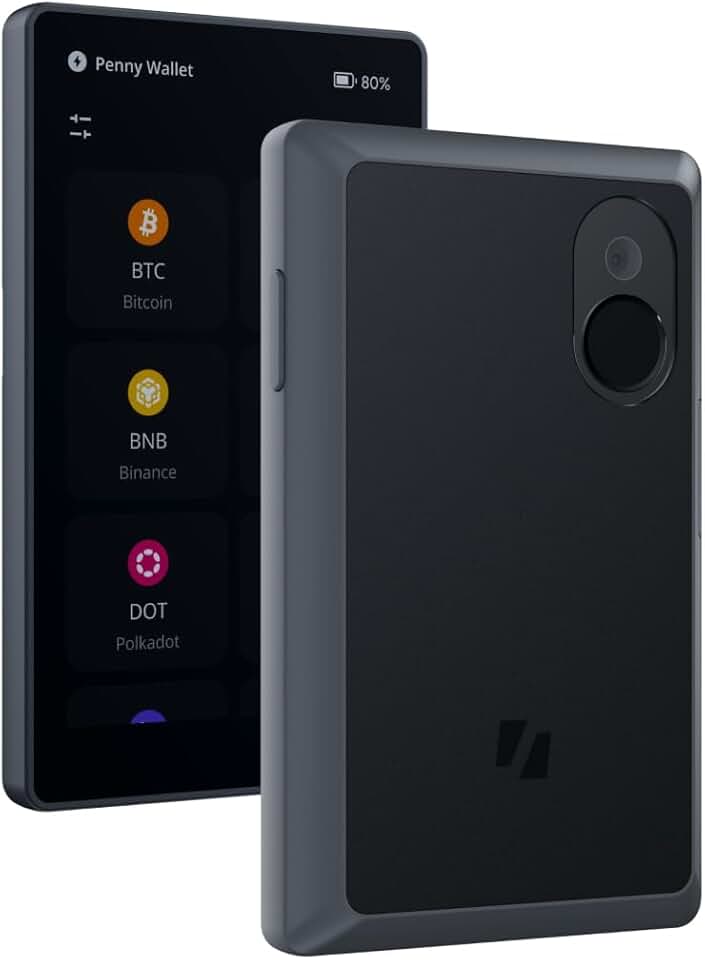
Hardware wallets remain the standard for securing large remittance balances. They keep private keys offline, protecting against remote hacks. For daily operational needs, multi-signature wallets add a layer of governance, requiring multiple approvals for large transfers.

As an Amazon Associate, we may earn from qualifying purchases.
Common Mistakes in Cross-Border Crypto Transfers
Even with the right strategy, a single error can freeze funds or drain your budget. The "holy grail" of cross-border payments is immediate, cheap, and universal, but achieving that requires precision. When you ignore the mechanics of the underlying blockchain, the cost savings vanish. Here are the three most frequent pitfalls and how to avoid them.
Choosing the Wrong Network
Sending Bitcoin (BTC) to a wallet that expects Litecoin (LTC) or using a slow, congested chain for a time-sensitive payment is a classic error. Each cryptocurrency operates on its own ledger with different rules. If you send USDT via the ERC-20 network to an address expecting TRC-20 USDT, the funds are lost. Always verify that the sender and recipient are using the exact same network protocol before initiating the transfer.
Ignoring Gas Fees and Slippage
Transaction costs are not static. During periods of high network activity, gas fees on Ethereum or Solana can spike, eating into the remittance amount. Additionally, slippage can occur if you are converting between volatile assets. Always check the current network congestion and the estimated fee before confirming the transaction. A small delay while waiting for lower fees is often cheaper than paying a premium during peak hours.
Failing to Verify Recipient Addresses
Cryptocurrency transactions are irreversible. A single typo in a wallet address sends money into the void. Unlike traditional banking, there is no customer service line to reverse a wire. Always copy and paste the recipient's address and double-check the first and last eight characters. For large transfers, send a small test amount first to confirm the address is correct and the network is functioning as expected.
Frequently asked questions about remittance
What is the holy grail of cross-border payments?
The "holy grail" refers to a payment system that is immediate, cheap, universal, and settled in a secure medium. While traditional banking networks struggle with speed and cost, blockchain-based models aim to deliver this trifecta by removing intermediaries. The goal is to replicate the speed of cash exchanges for digital assets moving across borders.
What problem do cryptocurrencies solve in international remittances?
Cryptocurrencies primarily address the high transaction costs associated with traditional banks and money transfer operators. By leveraging distributed ledger technology, senders can bypass legacy clearinghouses, significantly lowering fees for both remitters and recipients. This efficiency is particularly critical for high-volume corridors where percentage-based fees eat into small transfers.
What are the top countries for remittance outflow?
The United States remains the dominant source of global remittances, sending $79.15 billion in 2022. It is followed by Saudi Arabia ($39.35 billion) and Switzerland ($31.91 billion). These figures highlight the massive scale of capital flows that crypto remittance strategies aim to capture and optimize in 2026.
No comments yet. Be the first to share your thoughts!