Why remittance rails need an upgrade
Traditional remittance rails suffer from high fees, slow settlement times, and opaque exchange rates. For finance professionals managing cross-border payments in 2026, upgrading to crypto-based infrastructure offers a tangible competitive advantage through lower costs and real-time transparency. This guide breaks down the specific infrastructure choices required to build a compliant, efficient global remittance strategy.
Choosing the right stablecoin for transfers
Selecting a stablecoin is less about chasing the lowest headline fee and more about ensuring the recipient can actually cash out. In 2026, the landscape has consolidated around two primary options: USD Coin (USDC) and Tether (USDT). Your choice should depend on your target corridors, regulatory requirements, and the liquidity available on the receiving end.
USDC vs. USDT: A Side-by-Side Comparison
USDC is generally preferred for institutional and compliance-heavy corridors due to its transparent reserves and regulatory alignment. USDT dominates in retail and high-volume emerging markets where liquidity is deepest. The table below compares their core operational metrics.
| Feature | USDC | USDT |
|---|---|---|
| Regulatory Status | High (US-regulated, Circle) | Medium (Global, Tether Treasury) |
| Primary Liquidity | North America, Europe, Institutional | Asia, LatAm, Africa, Retail |
| Transparency | Monthly attested reserves | Quarterly attestations, mixed assets |
| Network Support | Strong on Ethereum, Solana, Polygon | Ubiquitous across all major chains |
| Typical Fee Structure | Competitive, often lower on L2s | Standard, high volume discounts |
Liquidity and Network Selection
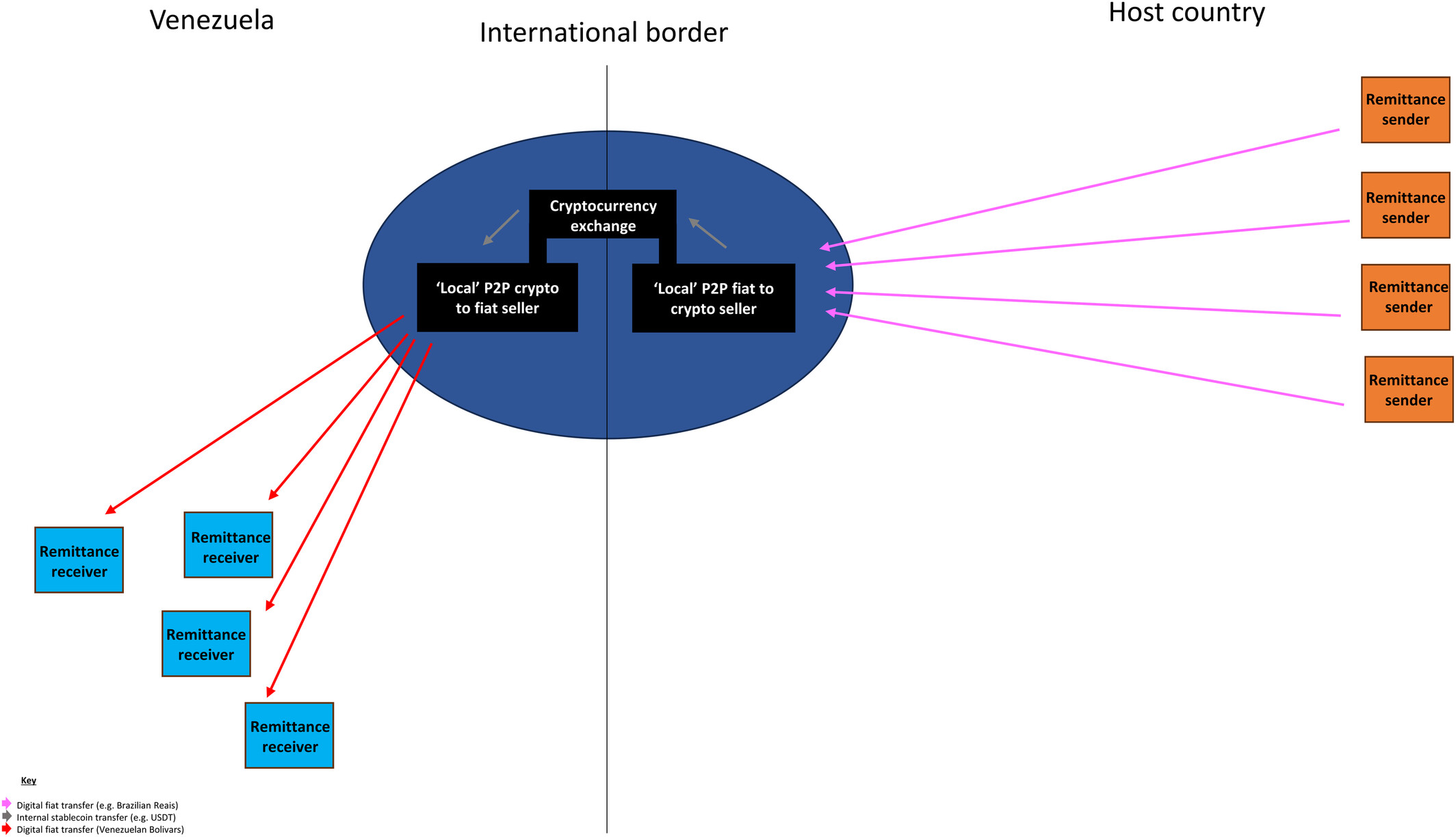
Liquidity determines how quickly funds settle and what slippage you incur during conversion. Tether (USDT) maintains the highest trading volume globally, making it the default choice for corridors in Southeast Asia and Latin America where local exchange offices are saturated with USDT. If your recipients use regional exchanges like Binance or local P2P platforms, USDT is often the safer bet for immediate availability.
USDC, issued by Circle, is the standard for regulated fintech integrations. Stripe and other major payment processors prioritize USDC for its compliance framework. If your strategy involves integrating with US-based or European banking partners, USDC reduces friction during onboarding and reduces the risk of account freezes due to regulatory scrutiny.
Network Costs and Settlement Speed
The blockchain network you choose impacts costs more than the stablecoin itself. Avoid using the Ethereum mainnet for small remittances due to gas fees. Instead, leverage Layer 2 solutions like Arbitrum, Optimism, or Base for USDC, which offer near-instant settlement for fractions of a cent. For USDT, Solana and Tron remain popular for their low costs and high throughput, particularly in Asian markets.
Strategic Recommendation for 2026
For a global strategy, adopt a hybrid approach. Use USDC for B2B payments, corporate payroll, and corridors with strict KYC/AML requirements. Switch to USDT for peer-to-peer remittances in high-volume, low-regulation corridors where recipient liquidity is paramount. Always verify the supported networks with your local exchange partners before launching a new corridor.
Leveraging Layer-2 for lower fees
Layer-2 (L2) scaling solutions are critical for maintaining margin in remittance operations. By moving transactions off the Ethereum mainnet, you reduce gas fees from potentially $5–$20 per transaction to less than $0.01. This cost reduction is essential for micro-remittances, which are common in labor-driven economies.
When selecting an L2, prioritize finality speed and liquidity depth. Arbitrum and Optimism offer strong Ethereum security guarantees and deep liquidity pools for USDC. Base, Coinbase’s L2, is increasingly favored for its seamless integration with Coinbase’s fiat on-ramps, making it ideal for US-centric corridors. For non-Ethereum ecosystems, Solana provides high throughput and low latency, though it requires careful monitoring of network stability during peak congestion.
Navigating compliance and risk
Compliance is not optional; it is the primary infrastructure requirement for any 2026 remittance strategy. Financial institutions must adhere to FATF Travel Rule guidelines, which require the transmission of originator and beneficiary information for transactions above certain thresholds. Crypto-native platforms must integrate with compliance providers like Chainalysis or Elliptic to monitor wallet addresses for sanctions violations and illicit activity.
Key risk mitigation steps include:
- KYC/AML Integration: Implement real-time identity verification for all senders and receivers.
- Transaction Monitoring: Set up automated alerts for unusual transaction patterns or high-risk jurisdictions.
- Regulatory Licensing: Ensure your operation holds necessary Money Transmitter Licenses (MTLs) in the US or equivalent licenses in the EU and Asia.
Failure to comply can result in frozen assets, heavy fines, and loss of banking partnerships. Proactive compliance is a competitive advantage, as it builds trust with institutional partners and regulators.
Executing your first transfer
Building a Global Crypto Remittance Strategy works best as a clear sequence: define the constraint, compare the realistic options, test the tradeoff, and choose the path with the fewest hidden costs. That order keeps the advice usable instead of decorative.
After each step, pause long enough to check whether the recommendation still fits the reader's actual situation. If it depends on perfect timing, unusual access, or a best-case budget, include a simpler fallback.
No comments yet. Be the first to share your thoughts!